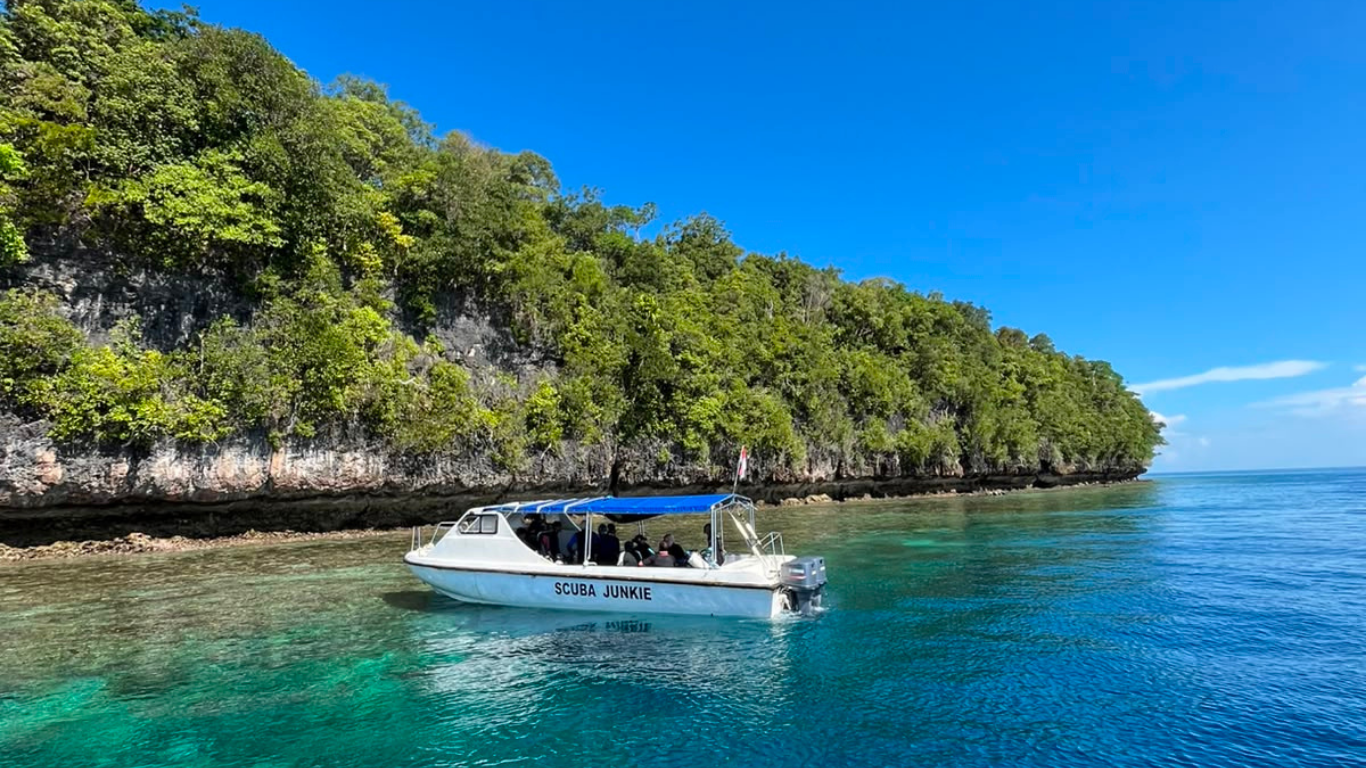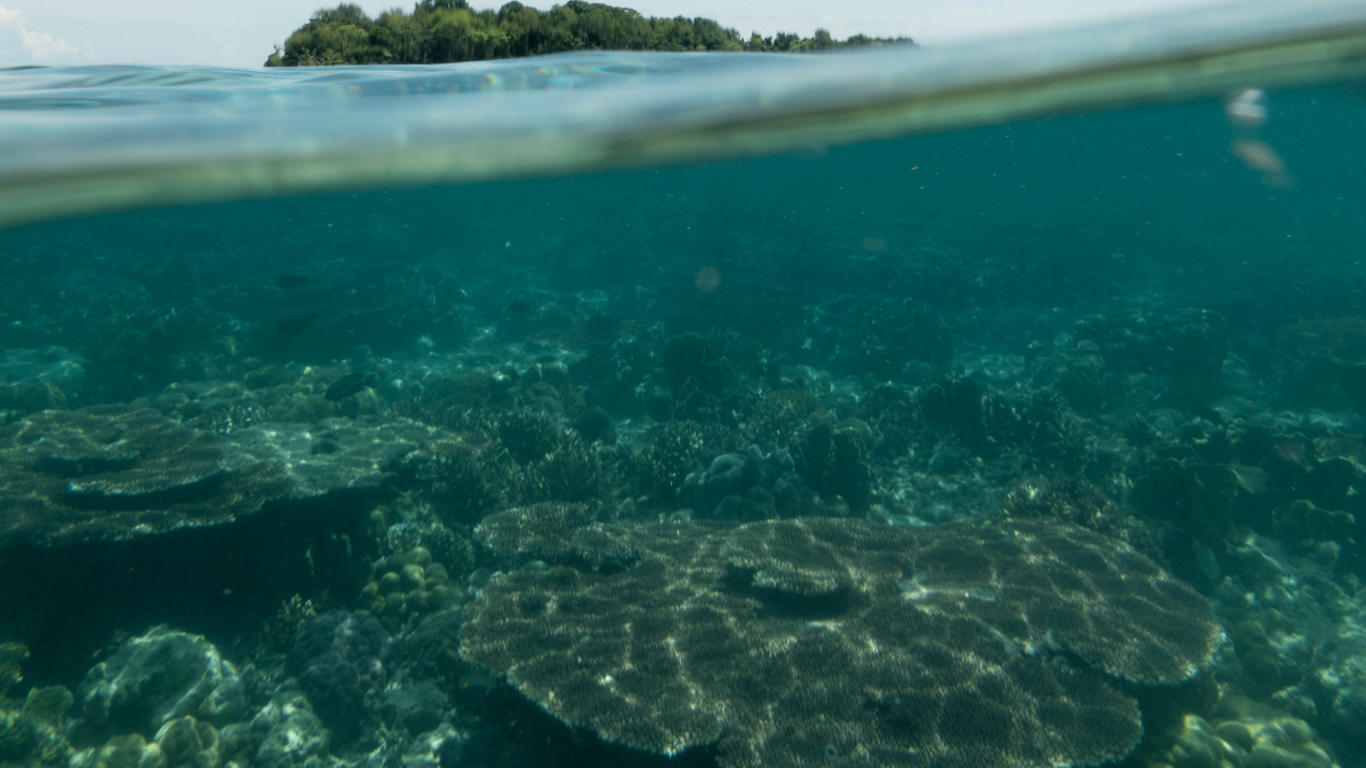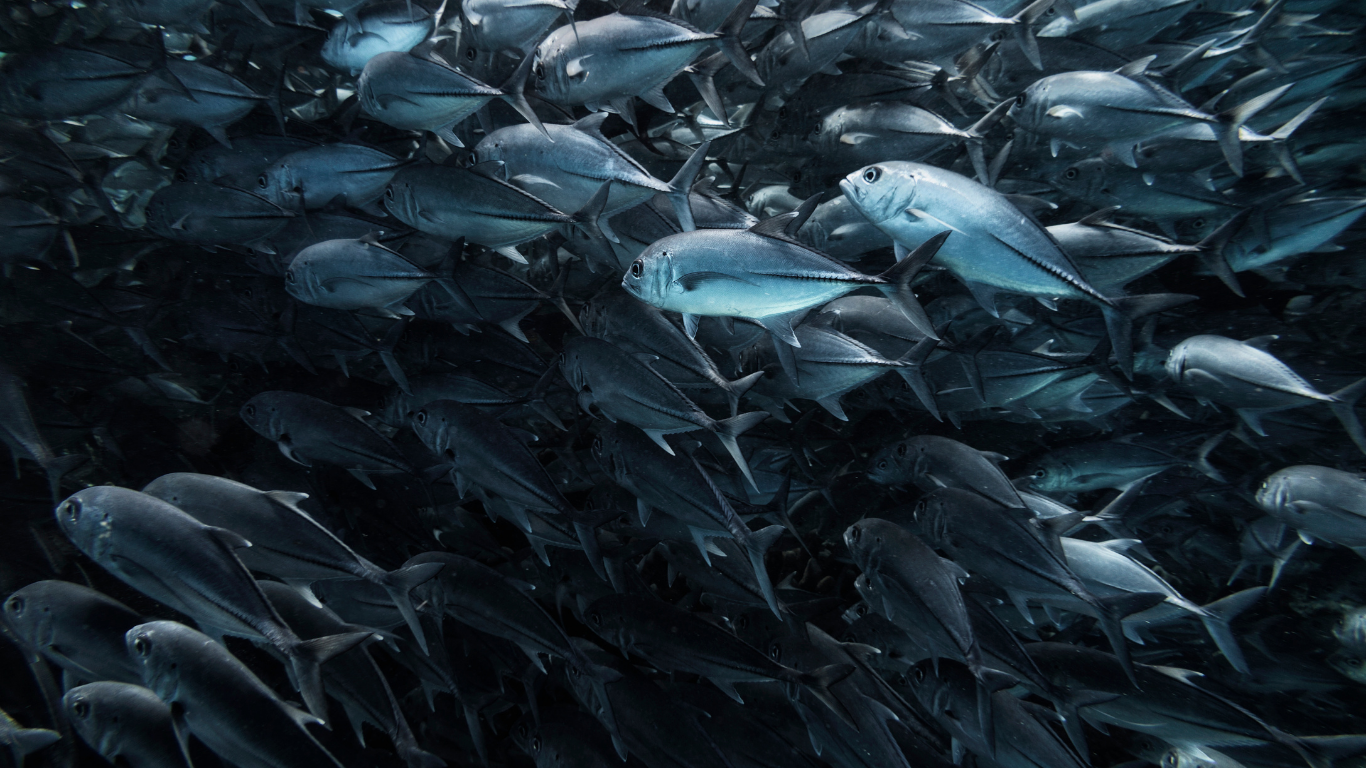
We provide daily dive trips and dive courses around the Sangalaki Marine Park.
Looking for tips and tricks about diving, marine life or what to do in Borneo? Follow us on our blog for weekly updates from the team!






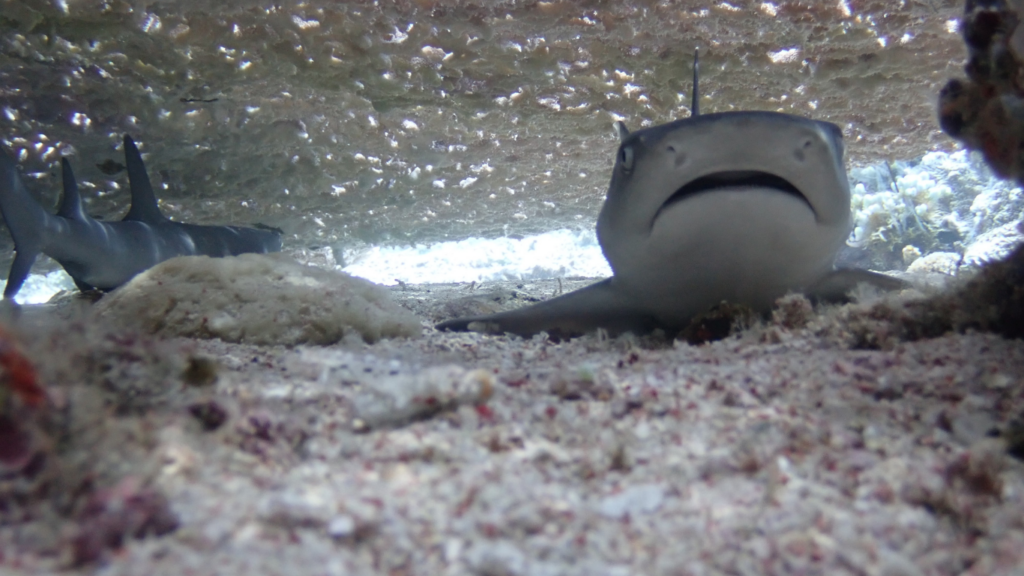
Diving with sharks in the Derawan Archipelago doesn’t usually feel dramatic or staged—and that’s exactly what makes it special.
Rather than high-adrenaline encounters, shark sightings here tend to feel natural and unforced. Sharks appear as part of the reef scene: cruising along drop-offs, resting on sandy patches, or passing through the blue at the edge of visibility. For many divers, especially those with experience, this kind of encounter feels far more rewarding than a choreographed spectacle.
One of the strengths of diving with sharks in the Derawan Archipelago is the diversity of species you may encounter over time.
Common and regularly seen species include:
With patience—and a bit of luck—you may also encounter:
These pelagic species are rare, but their occasional appearances are what make long stays particularly exciting.
On top of that, divers and snorkellers sometimes spot:
This range—from small, cryptic species to large, open-water sharks—speaks volumes about the health of the ecosystem.
Sharks in the Derawan Archipelago behave like sharks should.
They are not conditioned to divers, boats, or feeding. As a result, encounters often feel calm and brief—yet memorable. Sharks may circle once, glide past, or remain at a comfortable distance before disappearing again.
This behaviour is shaped by:
For divers who enjoy reading the reef and scanning the blue, these moments are deeply satisfying.
Shark sightings in the Derawan Archipelago often occur:
Some species, like whitetip reef sharks, are often seen resting, while others cruise steadily through open water. Paying attention to the environment—rather than actively searching—often leads to the best encounters.
The presence of sharks in the Derawan Archipelago is a strong indicator of reef health.
As predators, sharks help maintain balance by:
Seeing sharks regularly—even briefly—means the reef is functioning as a whole, interconnected system.
Shark encounters are rarely about one specific dive. They tend to build over time.
Divers who stay longer:
Those rare sightings—thresher sharks, hammerheads, leopard sharks—often happen when expectations are relaxed and awareness is high.
Guests don’t usually describe sharks here by size or number.
Instead, they remember:
These are the kinds of encounters that feel authentic—and they tend to stay with divers long after the trip ends.
Sharks in the Derawan Archipelago aren’t a headline attraction—they’re part of a larger, healthy marine environment.
From reef-associated species to rare pelagic visitors, the diversity here rewards patience, curiosity, and time. For divers willing to slow down and stay present, shark encounters become moments of connection rather than spectacle.
And sometimes, the most memorable sightings are the ones you didn’t expect at all.