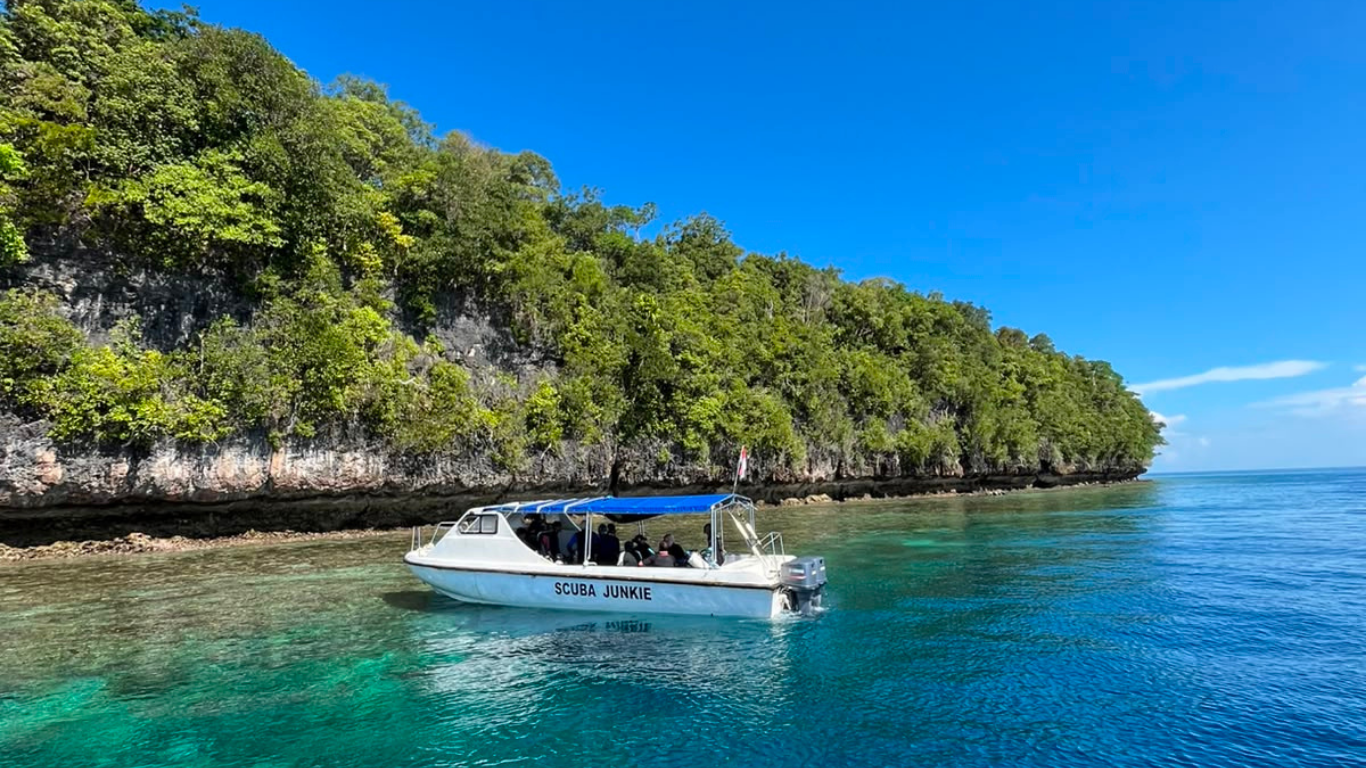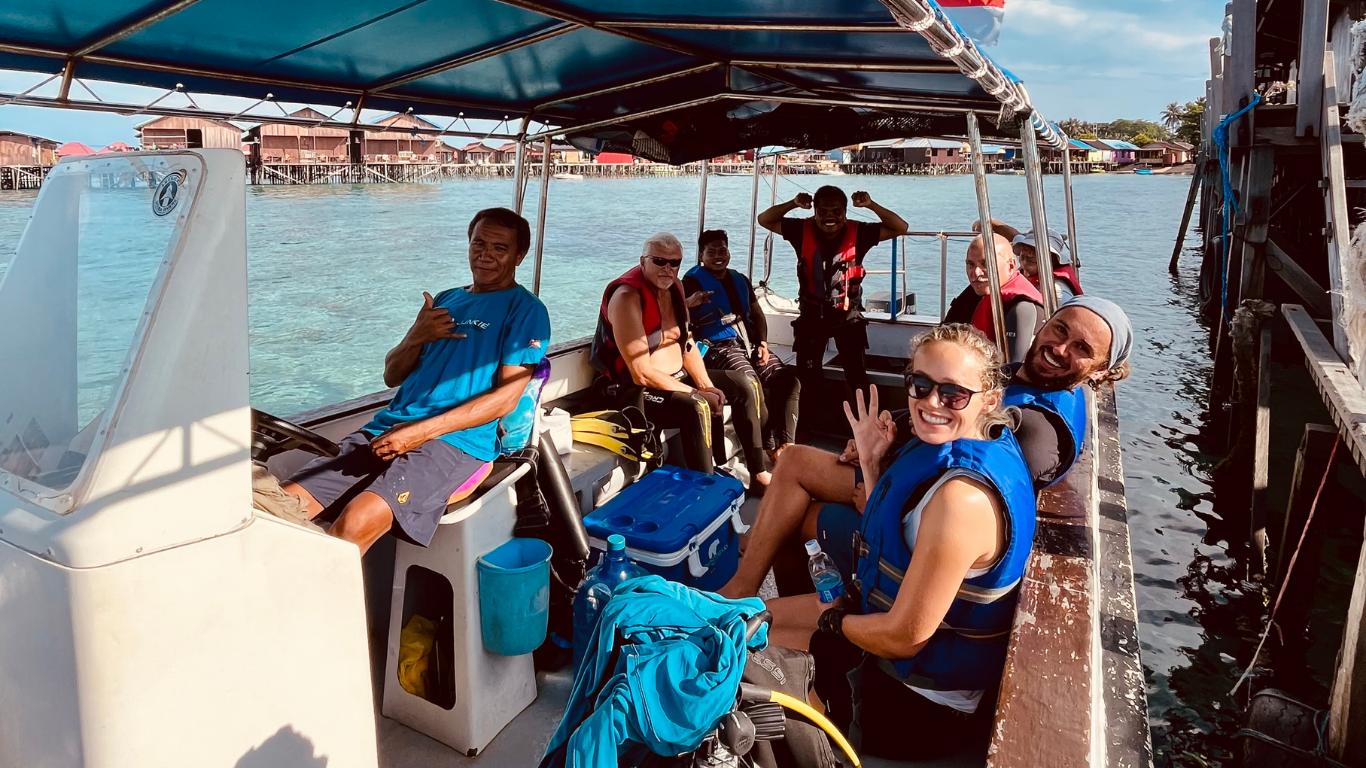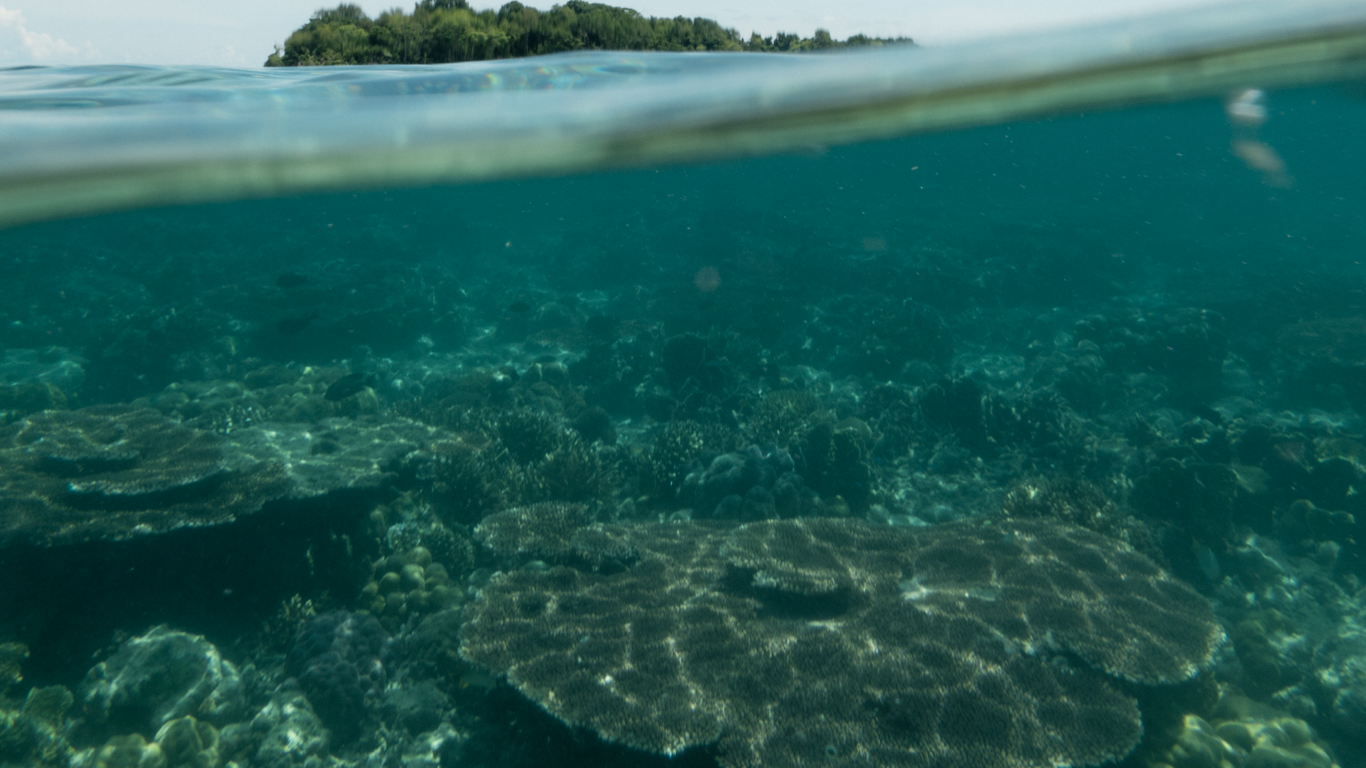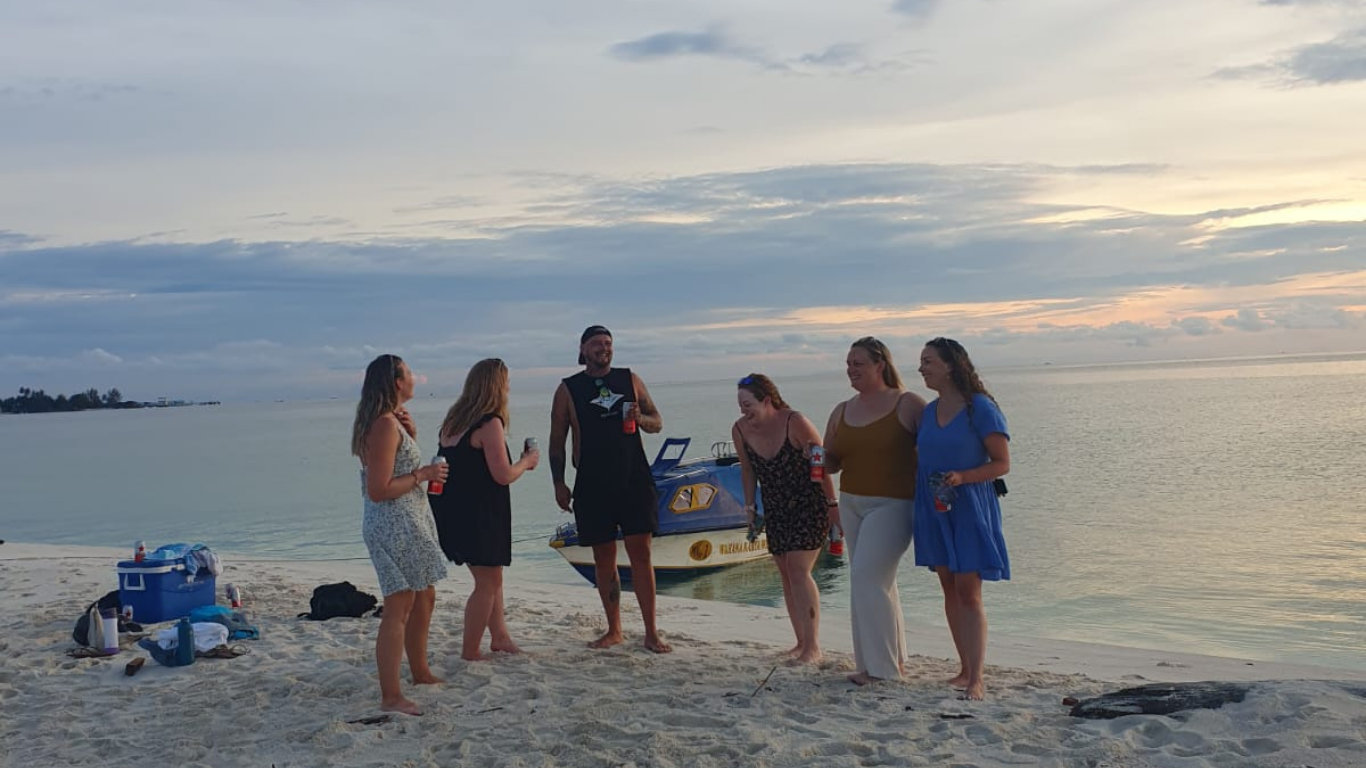
We provide daily dive trips and dive courses around the Sangalaki Marine Park.
Looking for tips and tricks about diving, marine life or what to do in Borneo? Follow us on our blog for weekly updates from the team!




Derawan diving makes one thing clear very quickly: staying on one island does not mean having the same experience every day.
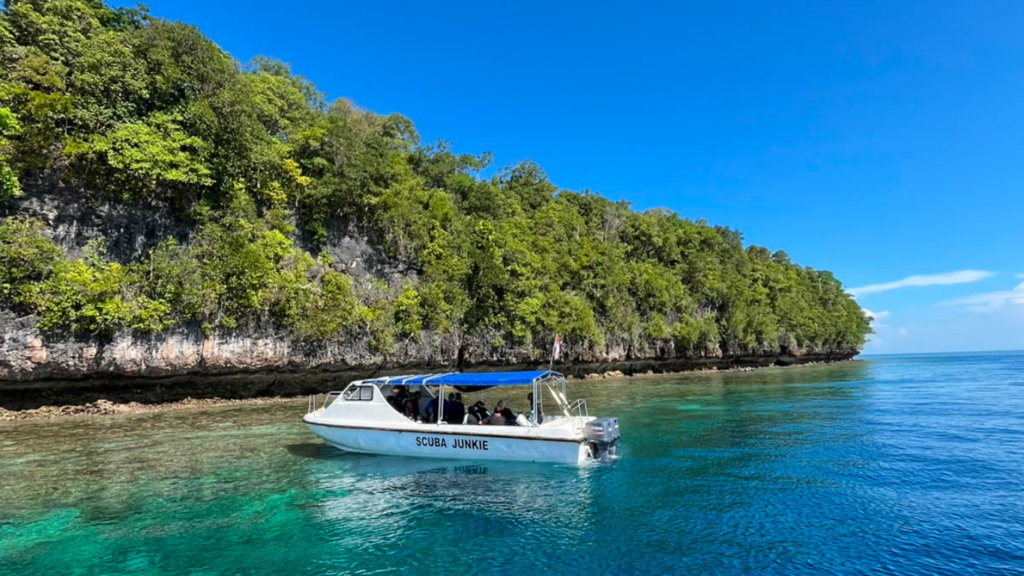
Scuba Junkie Sangalaki is based on Derawan Island, but our dive days can take us to Derawan, Sangalaki, Kakaban and Maratua. Each island changes the character of the trip. The reef shape is different, the journey feels different and the marine life asks you to look in a different way.
This is why we encourage guests to stay for at least seven days. The extra time is not about filling an itinerary with more of the same. It allows the archipelago to reveal its variety without turning every day into a race.
Reaching Derawan takes intention. Once you arrive, rushing through the islands in two or three days would miss much of what makes the destination special.
Weather, tides and water movement help shape the daily plan. Wildlife also follows its own schedule. A longer stay gives the dive team more flexibility to choose appropriate days for different areas, while guests have time to settle into the rhythm of the island.
That rhythm matters. Breakfast overlooks the sea. Turtles may pass the jetty before the first tank is loaded. Longer journeys become part of the day rather than an inconvenience, and the conversations between dives begin to feel as memorable as the dives themselves.
Derawan is more than the place where the resort is located. It has its own diving personality.
The island is closely associated with green turtles, which can often be seen around the jetty and resort as well as underwater. Its reefs also reward divers who slow down. Seahorses, cuttlefish, octopuses, crustaceans and other small subjects may be found among coral, rubble and sand.
Because local dive sites are close to the resort, a Derawan day can feel relaxed. These local dives introduce the smaller scale of the reef and prepare your eyes for the macro life that becomes important later in the month’s story.
Derawan is the island that gradually becomes familiar. After several days, the jetty, team and turtles stop feeling like background details and become part of the trip.
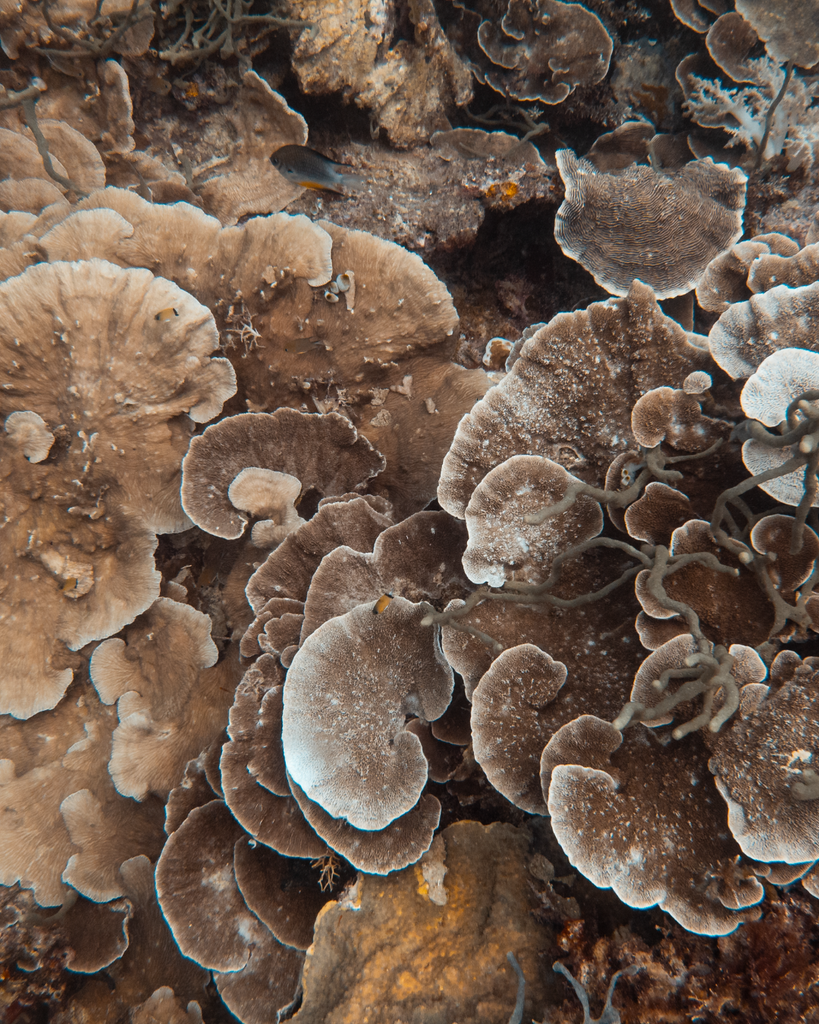
Sangalaki is the island many guests have imagined long before they arrive. It is known for reef manta rays, with cleaning and feeding areas around the island.
Manta encounters remain wild and can never be guaranteed. The best experiences happen when divers follow the guide, give the animals space and allow the mantas to choose how close an encounter becomes.
Even without a manta, Sangalaki offers much more than one headline animal. Healthy reef scenes, turtles, schooling fish and smaller marine life can all shape the dive. A guest who arrives focused only on mantas may discover that the reef had a completely different favourite waiting.
Surface intervals can be equally memorable. A quiet beach, coffee on the boat or the chance to see marine life at the surface makes the hours between dives part of the island’s personality.
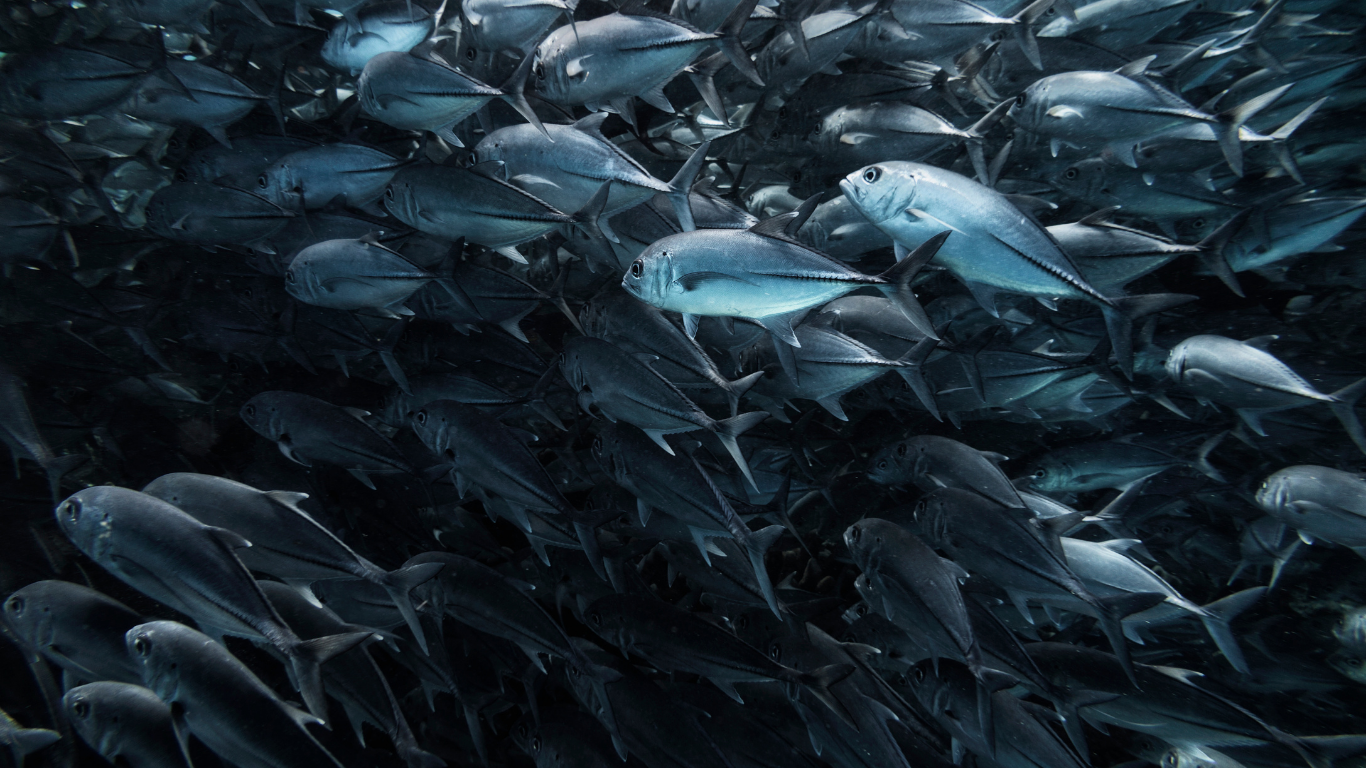
Kakaban changes the scale again. Its steep underwater topography and moving water can create exciting wall dives, with schooling barracuda and jackfish among the possible encounters. Sharks and other pelagic animals may also pass through, but sightings remain unpredictable.
This is a place where the dive plan needs to respond to the actual conditions. Guides assess the site, brief the group and choose an appropriate route. The goal is not to promote difficulty. It is to respect a living environment that changes throughout the day.
Kakaban also offers one of the archipelago’s most unusual surface experiences. Inside the island is a marine lake known for its jellyfish. Access and visitor procedures can change, so the current local rules should always be confirmed before the trip.
A Kakaban day reminds guests that a dive trip is not measured only in bottom time. The journey across the island and the quiet strangeness of the lake can be as memorable as the wall outside.
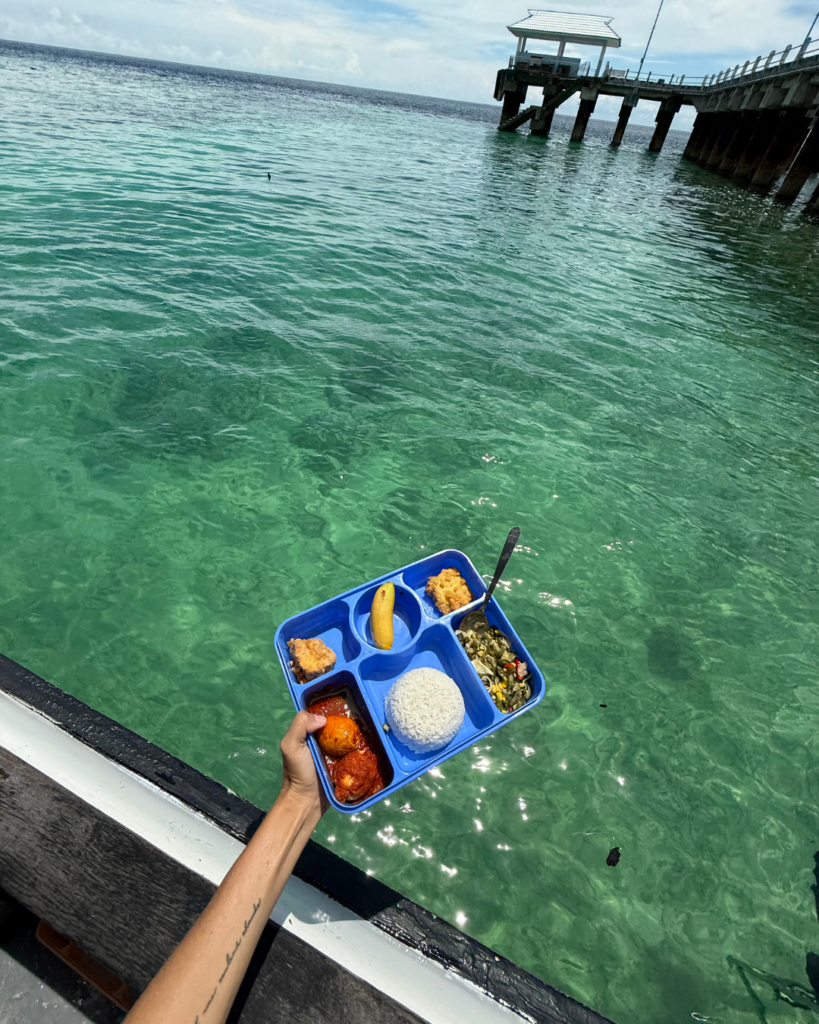
Maratua sits farther from the Derawan base and often feels like a full expedition day. The island offers a range of wall diving, from gentler drifts to more energetic sites when conditions allow.
The reefs can combine coral scenery, schooling fish and lots of turtles. Leopard sharks, reef sharks, rays and other animals are among the species associated with the area, but no single animal defines every dive.
The longer journey is part of the experience. Lunch and surface intervals happen away from the resort, and the changing view above water reinforces how large and varied the archipelago really is.
Maratua often becomes the day that guests understand why one island base can still create a week of contrast.
A seven-day package should not be confused with a fixed promise that every island will be visited on a particular date. Conditions, safety, tides and logistics determine where the boats can go.
This flexibility is an advantage. Our guides can choose the most suitable plan available rather than forcing an itinerary written before anyone has seen the water.
Guests still know the general shape of the experience. Dive days normally include three dives, with at least an hour between them. Trips to Sangalaki, Kakaban and Maratua are full-day outings, while local Derawan days may work differently depending on the tide.
The details shift. The purpose stays the same: use the week well and let each area show its own character.
The time between dives is easy to overlook while planning a trip online. In the Derawan Archipelago, it deserves attention.
A surface interval might mean resting on a quiet beach, visiting Kakaban’s marine lake, eating lunch on the boat or watching for a manta at the surface. These moments slow the day down and give guests time to speak with the team and one another.
This is where a seven-day stay begins to feel different from a quick diving stop. The islands are no longer a list of sites. They become places connected by boat journeys, meals, changing weather and shared stories.
The most memorable dive of the trip may not contain the animal you expected.
It may be the morning a school of hammerheads appears through another diver’s bubbles at Kakaban. It may be a leopard shark resting quietly, a turtle beside the jetty or a tiny octopus that took ten minutes to find. It may simply be a healthy reef with nobody rushing the group onwards.
A longer stay gives these unplanned moments room to happen. It also reduces the pressure placed on every dive to deliver a particular sighting.
That is a healthier way to experience wildlife and a more enjoyable way to travel.
We recommend at least seven days. This gives you more opportunity to experience different areas while allowing the daily plan to follow conditions.
The team aims to show guests the variety of the archipelago, but weather, tides, safety and logistics determine the final schedule. A specific island or dive site cannot be guaranteed in advance.
No. These are wild encounters. Sangalaki is known for manta rays, and locally operated whale shark excursions may be available, but sightings always depend on nature.
Conditions vary between sites and days. Groups are organised according to certification and experience, with a maximum of four divers per guide. The dive team assesses conditions and plans accordingly.
Yes. Valid dive insurance that includes appropriate medical evacuation cover is mandatory because of the destination’s remote location.
Scuba Junkie Sangalaki’s water bungalow resort and dive centre are located on Derawan Island. It becomes the base for exploring the wider archipelago.
Derawan diving works best when the trip is allowed to breathe.
Derawan brings turtles, macro life and a sense of home. Sangalaki opens the possibility of manta encounters. Kakaban combines walls and schooling fish with a remarkable marine lake. Maratua adds distance, changing conditions and the possibility of pelagic visitors.
Together, they create something more valuable than a checklist. They create a week in which every day can change character while the people and island base become increasingly familiar.
Travel farther. Stay longer. Let the archipelago become the experience.