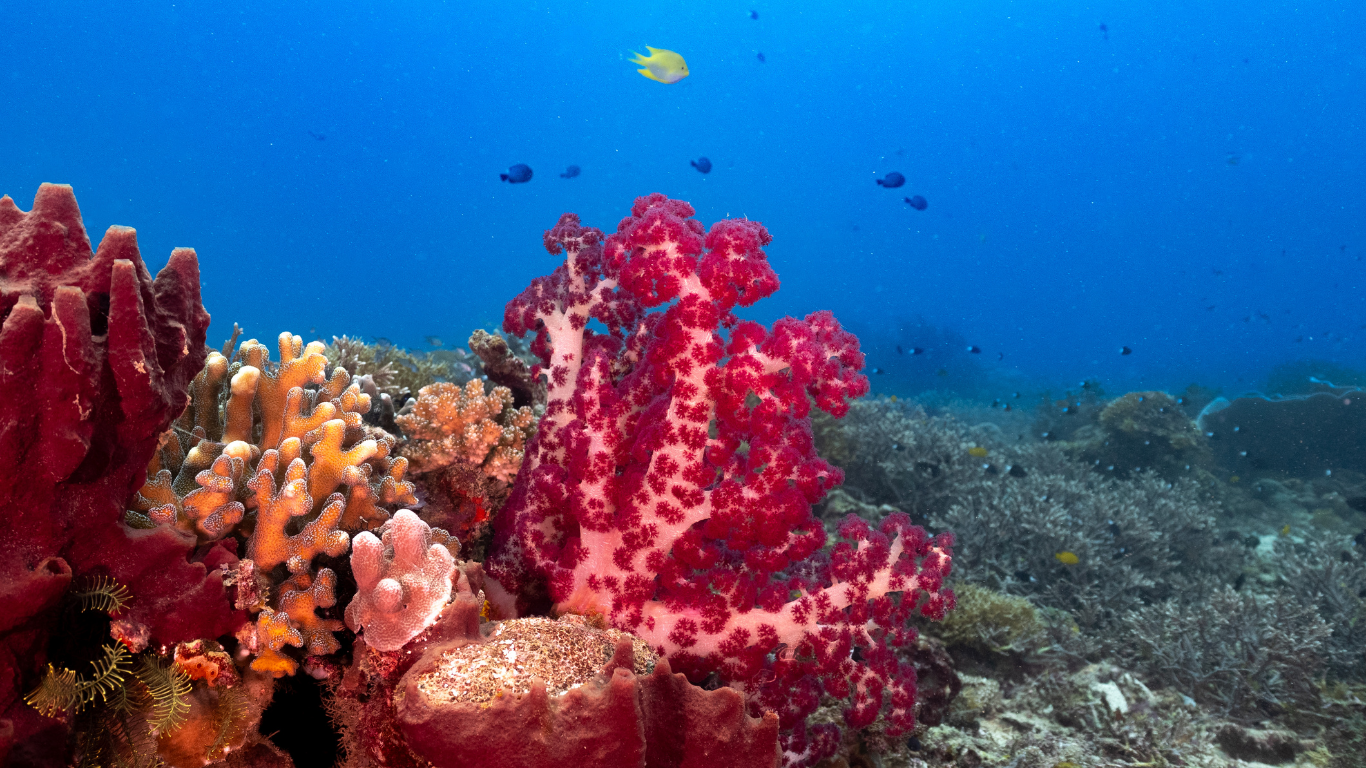
We provide daily dive trips and dive courses around the Sangalaki Marine Park.
Looking for tips and tricks about diving, marine life or what to do in Borneo? Follow us on our blog for weekly updates from the team!



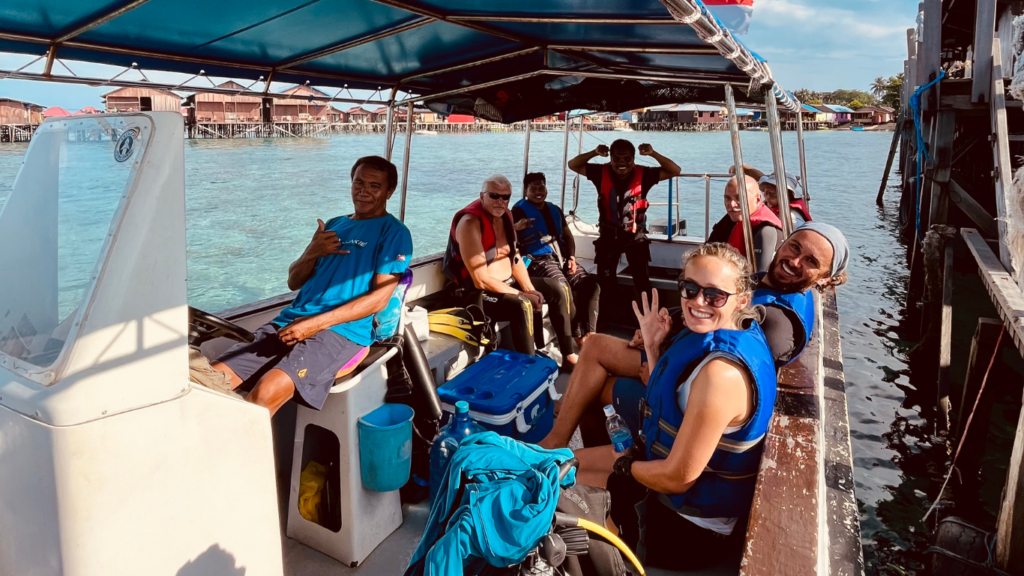
A dive group may share one boat and one briefing, but every diver arrives with a different story. One has hundreds of dives and wants to watch animal behaviour. Another has just completed a course and needs a little more time at the surface. One carries a camera. Another simply wants to slow down and look.
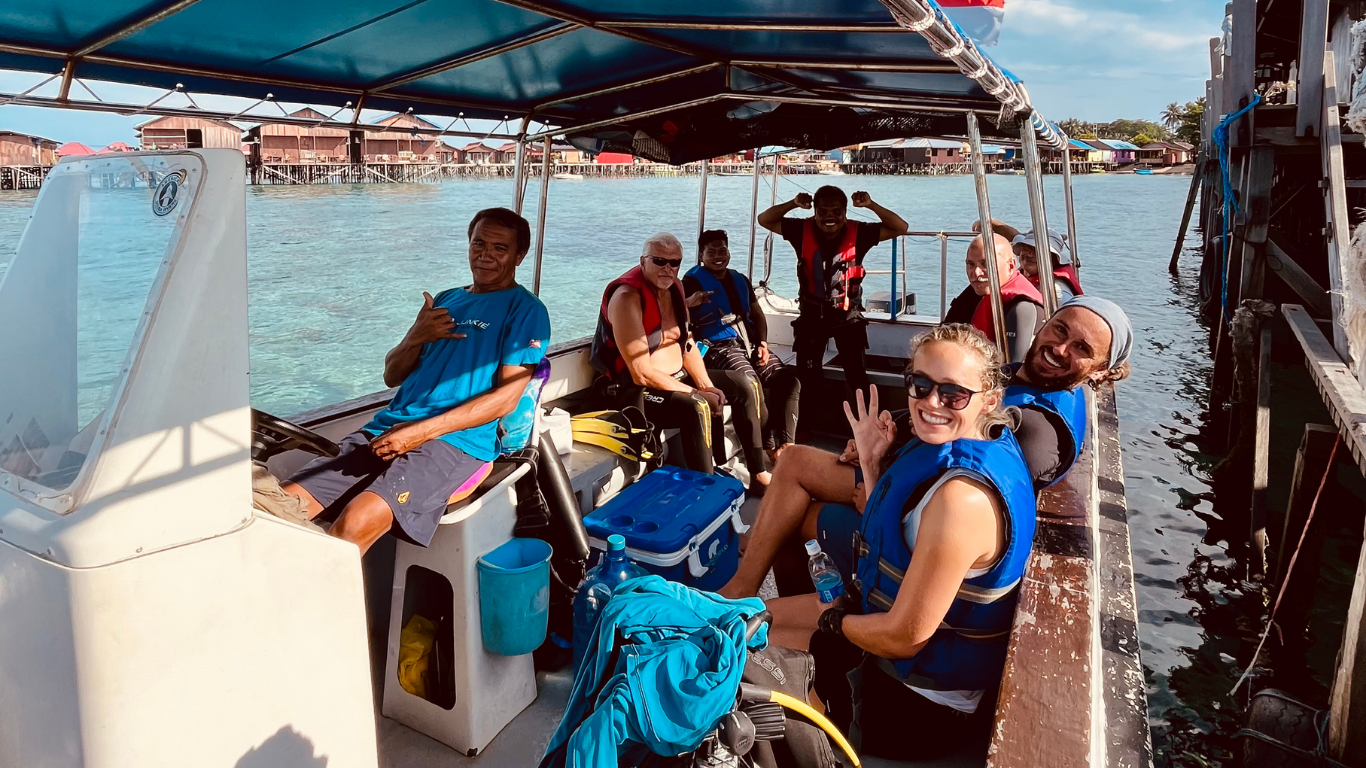
At Scuba Junkie Sangalaki, the maximum group size is four divers per guide. Groups are also organised with certification and experience in mind.
That number is not only a logistical detail. It changes the character of the whole day.
A certification card gives a guide useful information, but it cannot explain everything. It does not show how recently somebody dived, how comfortable they feel in a new environment or which details make a dive special to them.
In a small group, a guide has more opportunity to notice those things. Conversations on the boat, questions during the briefing and the first minutes underwater all help the guide understand the group.
This does not mean every dive becomes a private itinerary. Conditions, safety and the needs of the full group still guide each plan. It does mean the people in the group are easier to see as individuals.
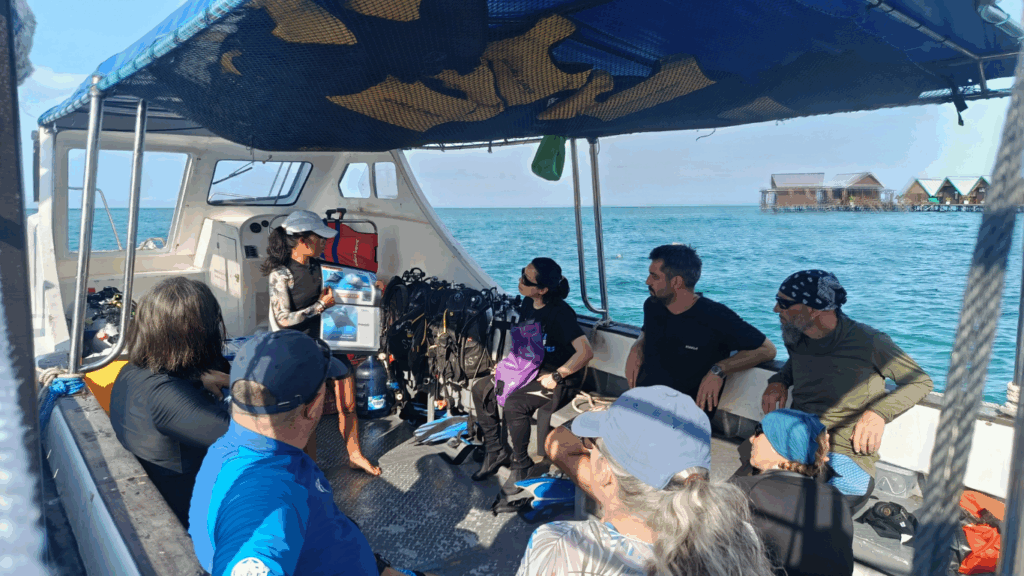
The best briefings do more than describe a route. They connect the dive plan with the divers who will follow it.
With four people, there is space for questions. A diver can mention that they want help with a piece of equipment, have not dived in current recently or hope to practise a particular skill. The guide can check that everybody understands the plan and explain how the group will respond if conditions change.
The result can feel more like a conversation than a speech.
Large groups naturally stretch out. A small difference in swimming speed grows, a diver stops to look at something and the distance between the front and back increases.
Smaller groups are often easier to keep connected. Divers can see the guide, buddy teams can communicate and the guide can respond sooner when somebody needs attention.
This does not remove personal responsibility. Every diver still needs to monitor air, stay aware of their buddy and dive within their training and comfort. A smaller group simply creates a clearer environment for those good habits.
Marine life does not perform on demand, and sightings are never guaranteed. When an encounter happens, the way a group approaches it matters.
A small group can be easier to position without surrounding an animal or crowding one viewpoint. It gives divers a better chance to slow down, follow the guide’s signals and observe behaviour without rushing forward.
Four calm divers will not become invisible, but fewer bodies and fins can make a wildlife encounter feel less chaotic for everyone involved.
Photographers sometimes want a few extra seconds to frame a subject. Non-photographers may not want to wait behind a wall of cameras. These needs can seem incompatible, but thoughtful grouping and clear communication help.
When the guide knows who enjoys photography and who prefers continuous exploration, expectations can be discussed before entering the water. The group can agree on how to share space and keep moving together.
The aim is not to give one diver priority. It is to help everybody understand the rhythm of the dive.
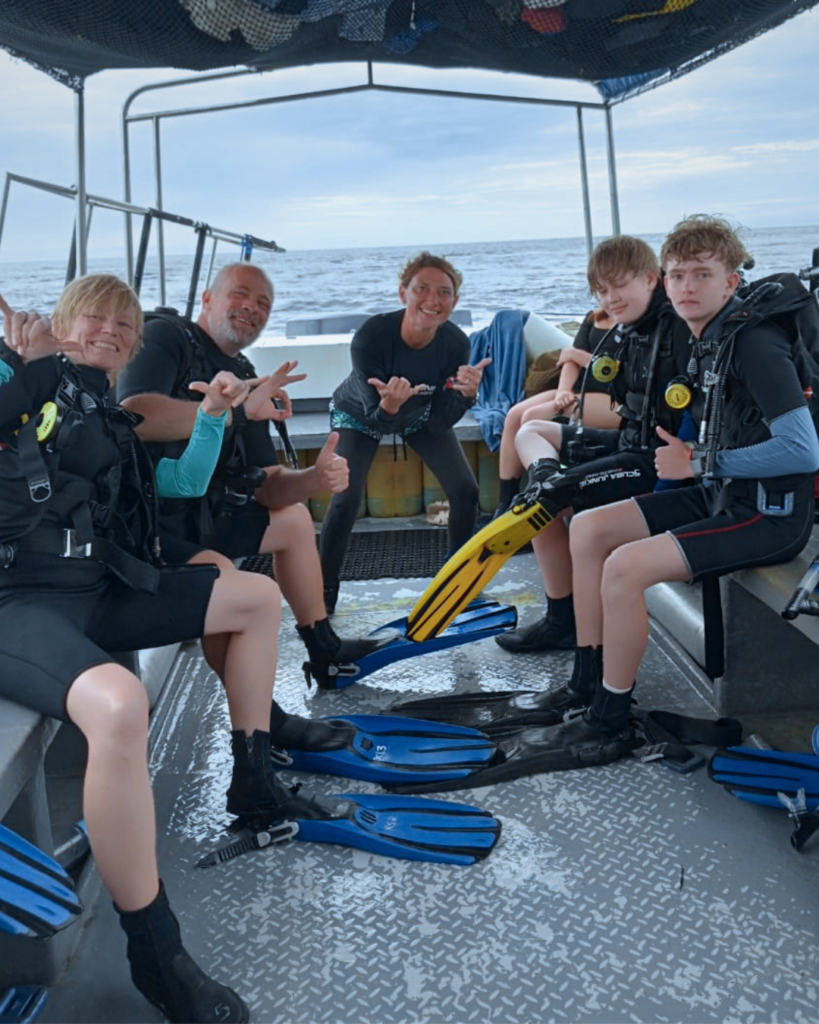
Sangalaki attracts people who come specifically for diving, but not every guest has the same experience. Somebody may be comfortable in warm, clear water yet unfamiliar with a new entry style or moving water.
In a small group, the guide can offer a reminder or check understanding without turning it into a public lesson. There is often more room to descend steadily, adjust equipment and settle into the dive.
Current does not automatically make a dive difficult, and a newer diver does not automatically need a separate experience. Good planning considers the actual person, the day’s conditions and the group as a whole.
Scuba Junkie Sangalaki is a small operation. The team and resort are both much smaller than at Sipadan, and that is part of the destination’s identity.
Guests often stay for at least seven days, which gives everyone time to move beyond introductions. Dive preferences become familiar. Stories continue over meals. The island stops feeling like a base between dives and becomes part of the experience itself.
Small-group diving fits naturally into that rhythm. It is one expression of a place where people have time to know one another.
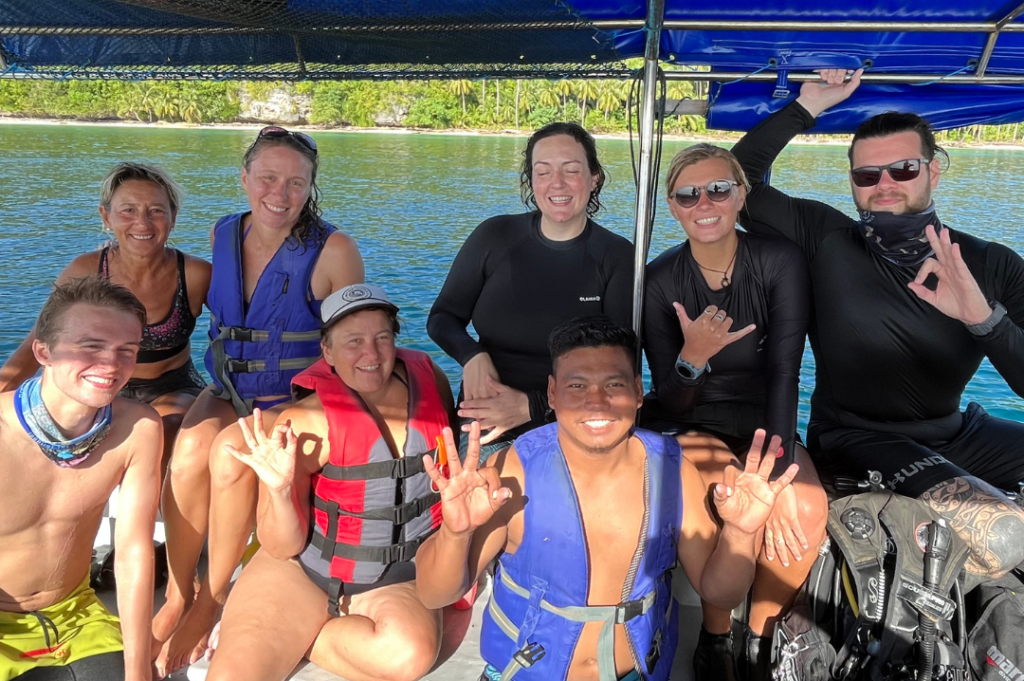
A small group does not guarantee a specific animal, an empty dive site or perfect conditions. It also does not mean that every request can change the day’s plan.
What it offers is attention. The guide can communicate clearly, understand the group and make decisions with fewer competing needs. Divers have space to ask, observe and share the experience.
In a remote destination, those details matter. Reaching Sangalaki takes intention. Once guests arrive, the experience should feel equally considered.
Scuba Junkie Sangalaki limits groups to a maximum of four divers per guide.
Yes. Certification and experience are considered when groups are organised, together with the guests and diving planned for the day.
No. A small group is still shared. A private guide is a separate arrangement and depends on availability.
No. Experienced divers also benefit from clear communication, easier group awareness and more room to observe marine life.
No operator can guarantee that no other divers will be present. Sangalaki is remote and sites are often quiet, but conditions and other visitors vary.
The number four is simple. Its effect is not.
It gives a guide more opportunity to know the divers in front of them. It gives questions room, makes communication clearer and supports a calmer shared rhythm underwater.
Small by design does not mean small in experience. In Sangalaki, it means the people, island and diving have time to become familiar.