We provide daily dive trips and dive courses around the Sangalaki Marine Park.
Looking for tips and tricks about diving, marine life or what to do in Borneo? Follow us on our blog for weekly updates from the team!





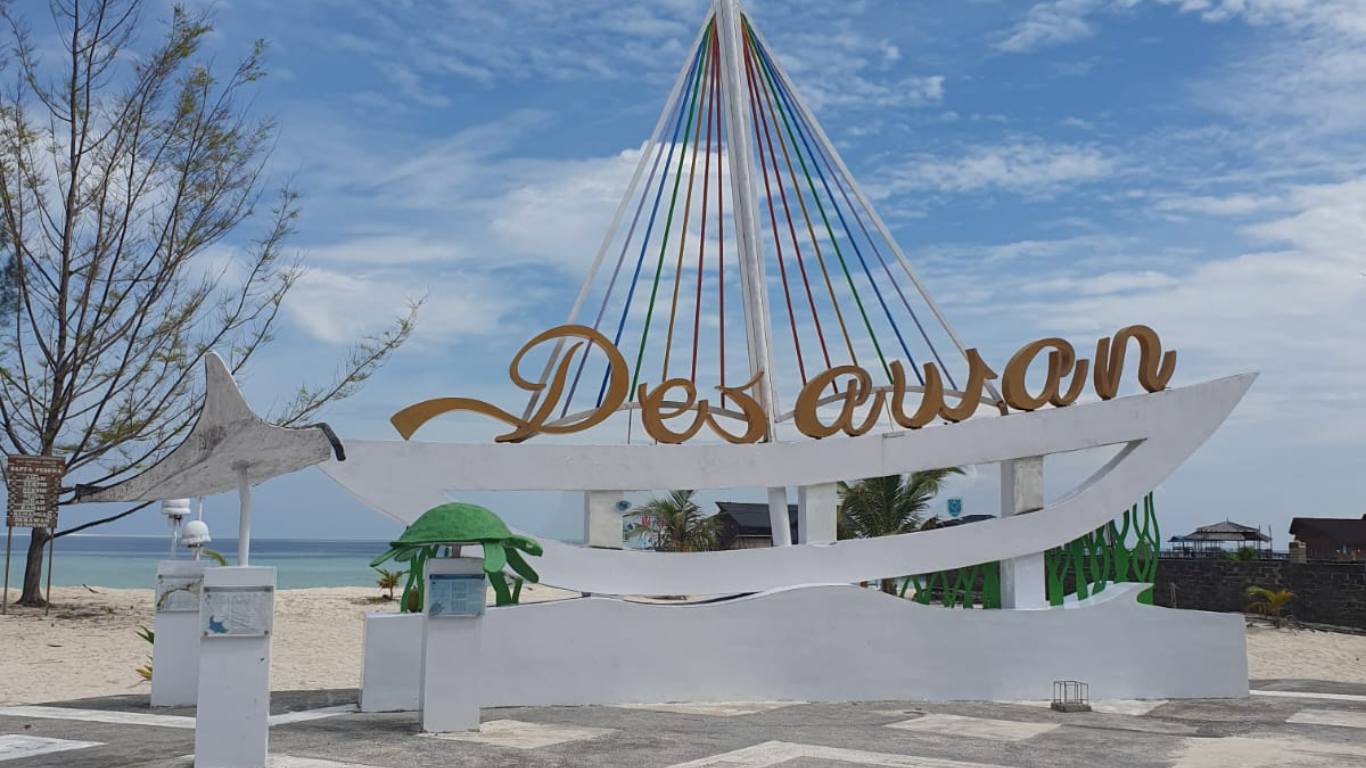
Derawan islands Kalimantan are the kind of place that still feels like a secret. Off the east coast of Borneo in Indonesia’s Coral Triangle, these 31 islands—most famously Derawan, Sangalaki, Kakaban, and Maratua—sit inside Berau Regency, East Kalimantan, surrounded by reefs so alive they hum with color. It’s remote, yes. But that’s part of the magic—and a big reason your visit has real impact.
The archipelago lies in the Sulawesi (Celebes) Sea, squarely in Indonesia’s East Kalimantan province (Borneo’s Indonesian side). Administratively they’re part of Berau Regency. Language? Indonesian, plus local Dayak, Kutai Malay, Buginese and more—Kalimantan is a mosaic.
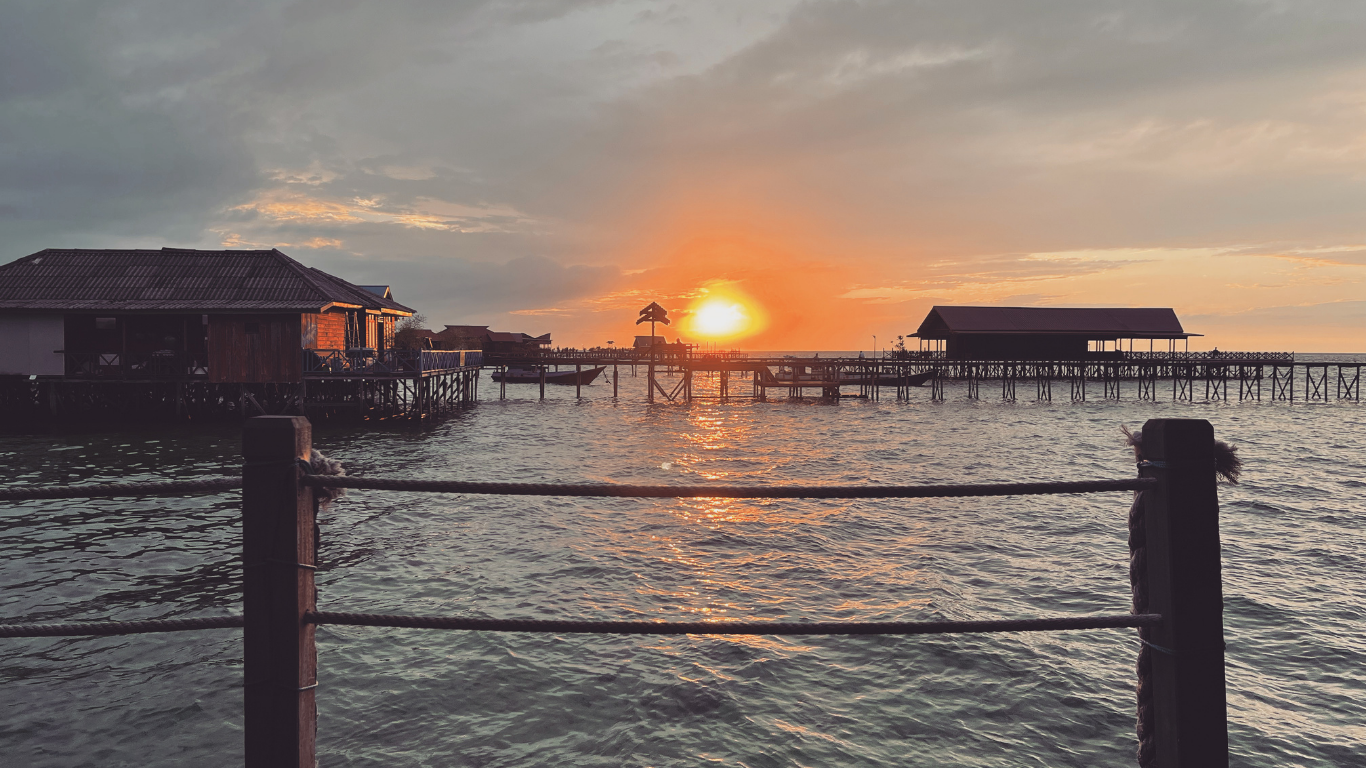
Only Derawan and Maratua have resident communities (villages and small services). Kakaban and Sangalaki are uninhabited—think ranger posts and pristine nature rather than towns. That balance keeps the reefs wild and the nights wonderfully quiet.
Across the province, the majority of residents are Muslim (~87%), with Christian, Catholic, and other minorities adding to the cultural fabric. In coastal Berau, livelihoods historically lean on small‑scale fishing, with tourism increasingly important as a sustainable complement.
Pre‑COVID, more international routes made reaching East Kalimantan easier. Some have returned (for example, Kuala Lumpur–Balikpapan nonstop now operates with AirAsia and Malaysia Airlines on multiple weekly rotations), while others are still rebuilding. From Singapore, Scoot serves Balikpapan (BPN)—a helpful hub if you’re connecting to Berau (BEJ) or overland/sea to Derawan.
Most travelers still connect via Balikpapan → Berau, then continue by road and local boat—one reason a night in Balikpapan or Berau can be part of the adventure (and why planning ahead pays off). For Scuba Junkie Sangalaki’s on-the-ground transfer details, see the resort’s guide.
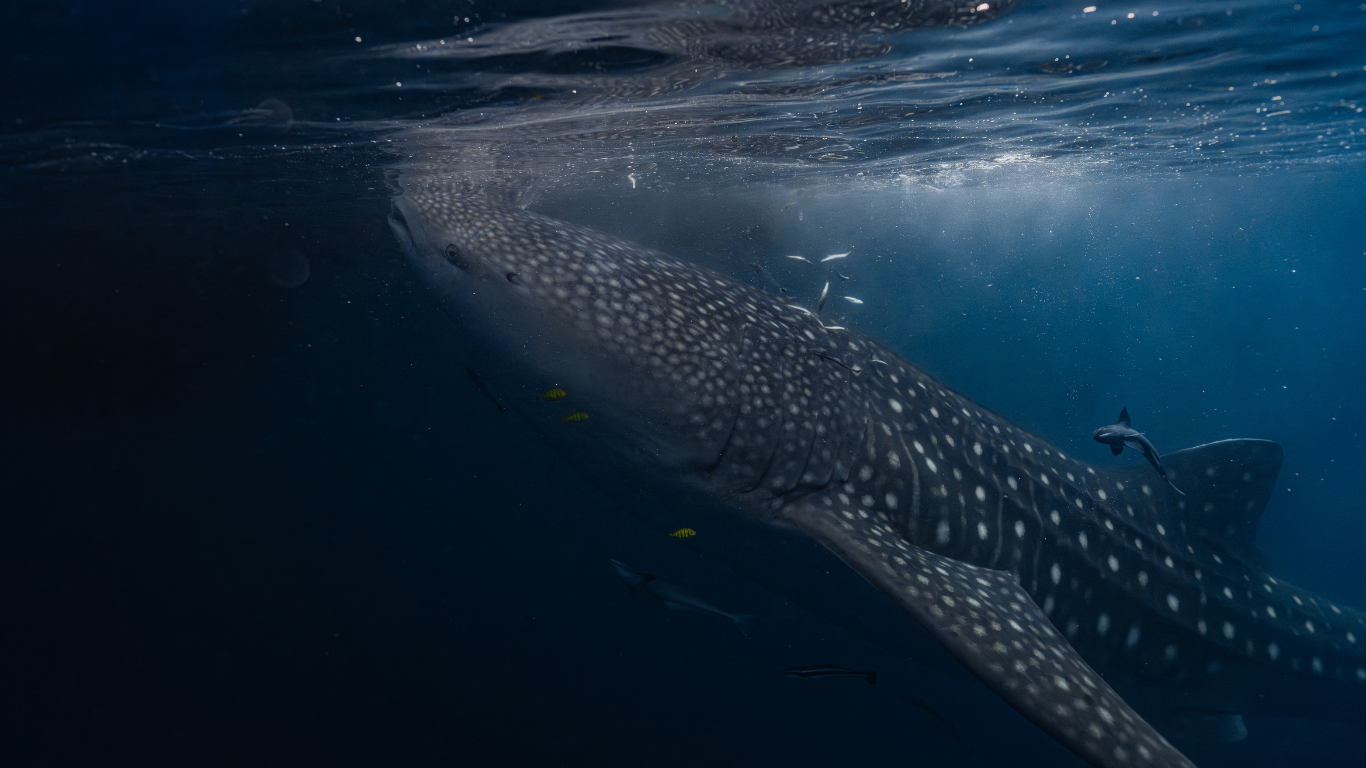
Tourism—done right—creates strong incentives to protect reefs and megafauna. NGOs and governments point out that manta rays are far more valuable alive to local economies than as products in trade. Responsible dive tourism helps fund monitoring, enforcement, and community jobs that replace extractive pressure.
Kakaban holds the world’s largest stingless jellyfish lake with multiple endemic species. Authorities have periodically closed access to the lake to support scientific research and protect the fragile, stratified ecosystem from stress (heat events, tourism pressure, and water‑quality concerns). Temporary closures let managers assess conditions and keep this phenomenon intact for the long term.
Good news: even when the lake is closed, Kakaban’s outer reefs deliver jaw‑dropping dives—walls, schooling life, and pelagic cameos. (Our Kakaban diving overview has trip specifics.)
Globally, reef (Mobula alfredi) and oceanic mantas (M. birostris) face pressure from fishing (meat and gill plate trade), bycatch, and slow reproduction. That combination lowers local encounter rates in some seasons and sites. Conservation groups (MMF, Manta Trust) and CITES listings highlight the trend and push for protection.
(Context for guests: mantas mature late and have one pup every few years—recoveries are slow even with protections. When we do see trains of mantas at Sangalaki, it’s extra special—and your respectful conduct and data sharing with researchers make a difference.)
From Scuba Junkie Sangalaki on Derawan, plan roughly:
What would you love to learn about Derawan islands Kalimantan next—local culture, manta science days with researchers, or a deep‑dive into our favorite wall sites? Drop your questions in the comments and help shape the next chapter.