We provide daily dive trips and dive courses around the Sangalaki Marine Park.
Looking for tips and tricks about diving, marine life or what to do in Borneo? Follow us on our blog for weekly updates from the team!







Leopard sharks in Derawan.
It’s a leopard… but underwater. 🐆🌊
With spots instead of stripes, elegance instead of speed, and a calm confidence that turns every encounter into a moment of awe, the leopard shark is one of the ocean’s most underrated beauties. Divers who have been lucky enough to see one know: it’s the kind of sight that makes your heart skip a beat, then slow down as you realize you’re sharing space with one of the sea’s most graceful predators.
But that’s just the beginning. The Derawan Archipelago is home to several species of sharks, each playing a vital role in keeping the reef healthy. Before we meet them, let’s get to know the spotted star of the show.
Despite its name, the leopard shark (Stegostoma tigrinum), also known as the zebra shark, is not related to the big cat—but it does have the same quiet power and unmistakable markings. When young, these sharks wear black-and-white stripes like a zebra. As they mature, the stripes fade into beautiful spots, earning them their leopard-like name.
They belong to the carpet shark family, a group known for bottom-dwelling species that love lounging on sandy seabeds and weaving through coral gardens.
Leopard sharks are found throughout the Indo-Pacific, from eastern Africa to northern Australia, often seen resting on the seafloor during the day and becoming more active at night.
They’re not hunters in the dramatic sense; instead, they glide slowly close to the sand, searching for food. Their diet includes crustaceans, small bony fish, mollusks, and sea snakes. Using their flexible bodies, they can twist and reach into small holes in the reef where prey hides.
In the Derawan Archipelago, their favorite hangouts are sandy channels and shallow reef plateaus—places where they can rest between feeding sessions.
Every encounter with sharks in Derawan feels like meeting a one-of-a-kind masterpiece.
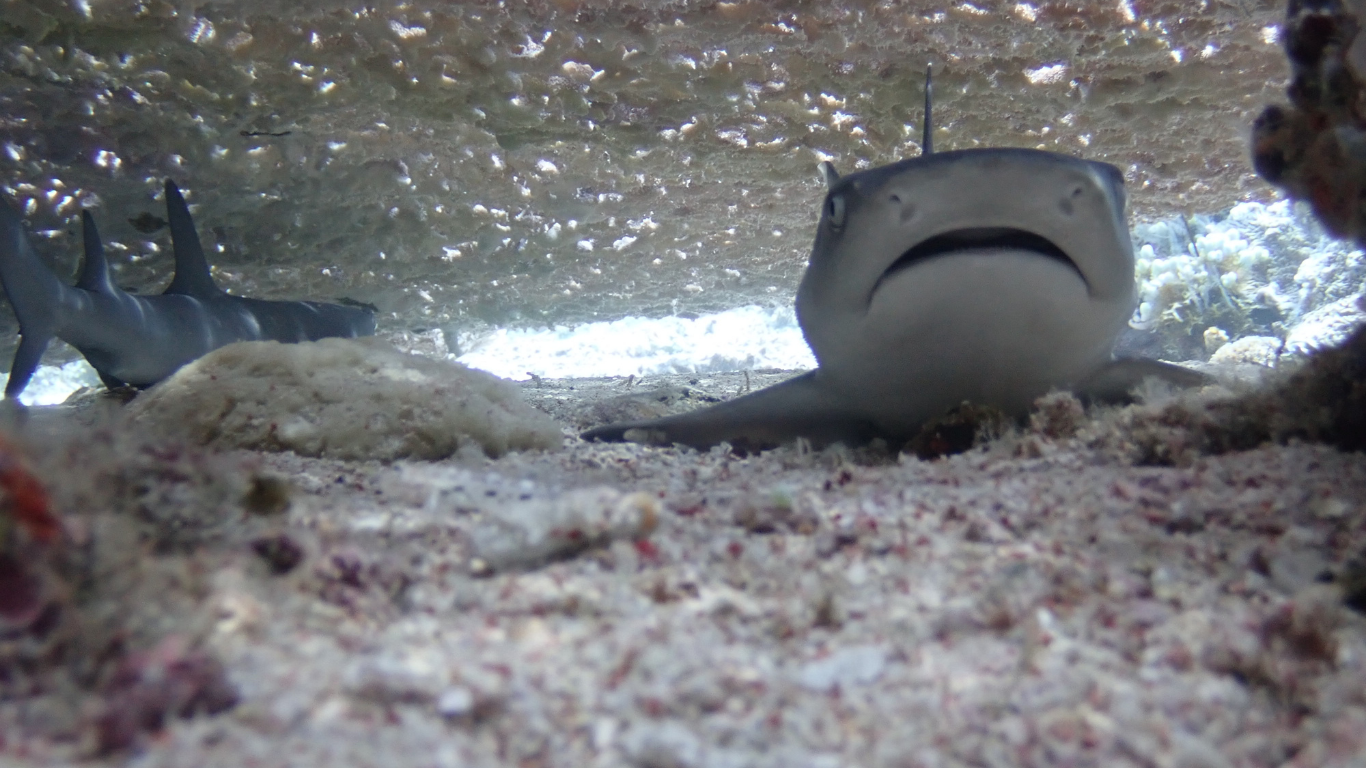
Not at all. In fact, they’re among the calmest and most docile sharks in the ocean. Divers often find them lying motionless on the seabed, unfazed by bubbles or gentle camera flashes (always from a respectful distance, of course).
Leopard sharks are curious but shy; if they swim away, it’s never in panic—just a quiet glide into the blue. Their gentle nature makes them perfect ambassadors for shark conservation, breaking stereotypes that all sharks are dangerous.
Leopard sharks may steal the spotlight, but they share these waters with an impressive supporting cast.
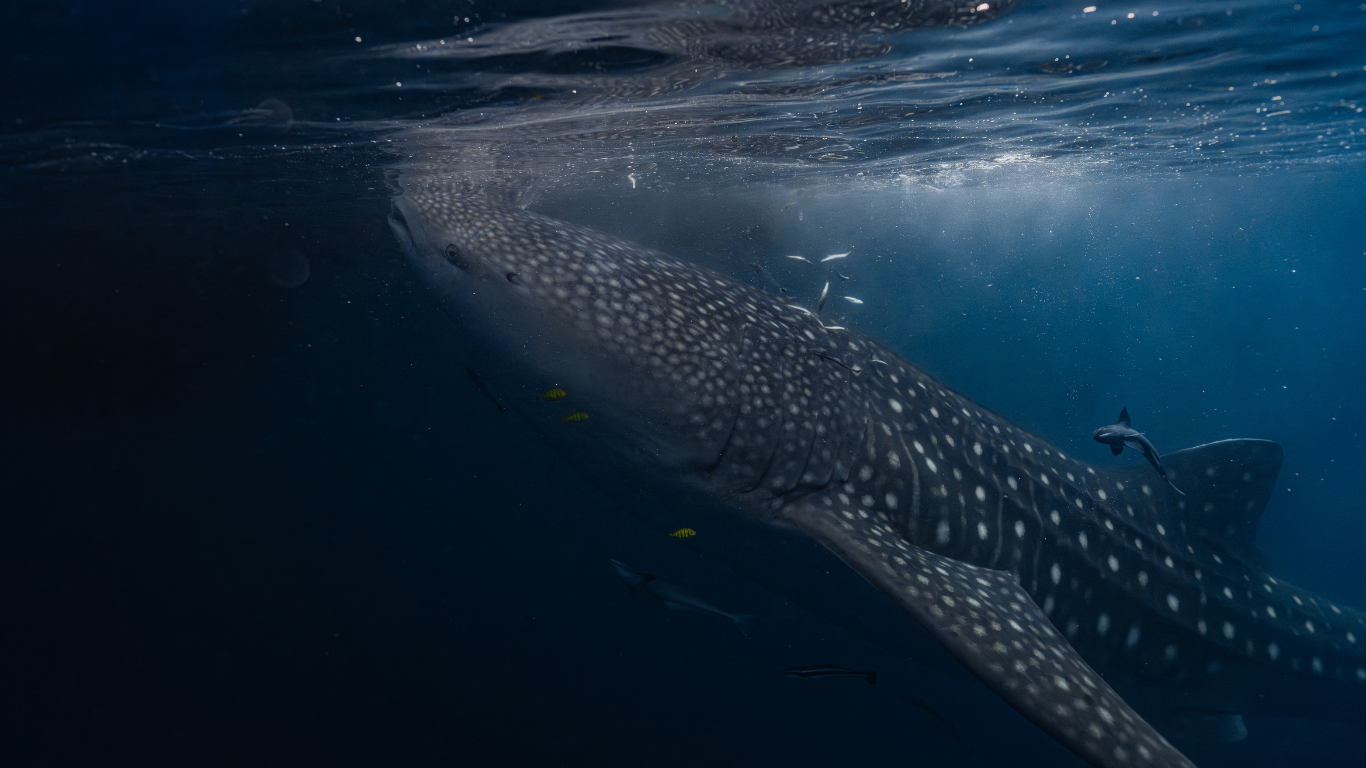
The Derawan Archipelago hosts a healthy variety of sharks—proof that the ecosystem here still thrives:
Each of these species plays a unique role in keeping the ecosystem balanced—controlling fish populations, cleaning the reef, sharks in Derawan reminding us how vital they are to a healthy ocean.
Across the world, sharks are disappearing at an alarming rate. Overfishing, finning, and habitat destruction have led to steep declines, with many species losing more than 70% of their population in the past 50 years.
Yet sharks are the pulse of the ocean. As apex or mid-level predators, they regulate fish populations and remove the weak and sick, keeping the reef balanced. Without them, coral ecosystems collapse.
In the Derawan Archipelago, their presence is a sign of hope—a living indicator that this corner of the Coral Triangle still beats strong.
By diving responsibly, refusing shark fin products, and supporting marine conservation, we help keep that pulse alive.
At Scuba Junkie Sangalaki, island life feels calm and timeless—the rhythm of waves, turtles in the shallows, and laughter from the dive deck. But the moment you roll into the water, the magic multiplies.
Below the surface, the reef reveals its quiet residents: the leopard shark sleeping in the sand, a white tip cruising past, a curious black tip circling in the distance. Each dive is a reminder that you’re entering a world that’s wild, vital, and worth protecting.
We believe that every diver can be part of shark conservation simply by witnessing their beauty and sharing respect for them. Because the more people see sharks for what they really are—not monsters, but miracles—the safer their future becomes.
Which one of the sharks in Derawan would you love to meet underwater?
Tell us in the comments—and help spread the word that these incredible animals deserve admiration, not fear.