We provide daily dive trips and dive courses around the Sangalaki Marine Park.
Looking for tips and tricks about diving, marine life or what to do in Borneo? Follow us on our blog for weekly updates from the team!






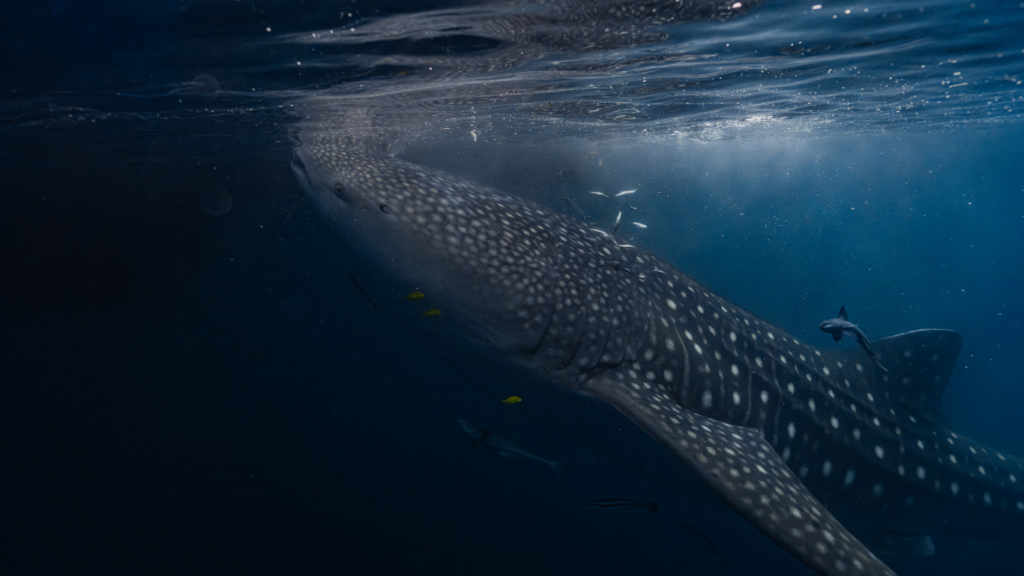
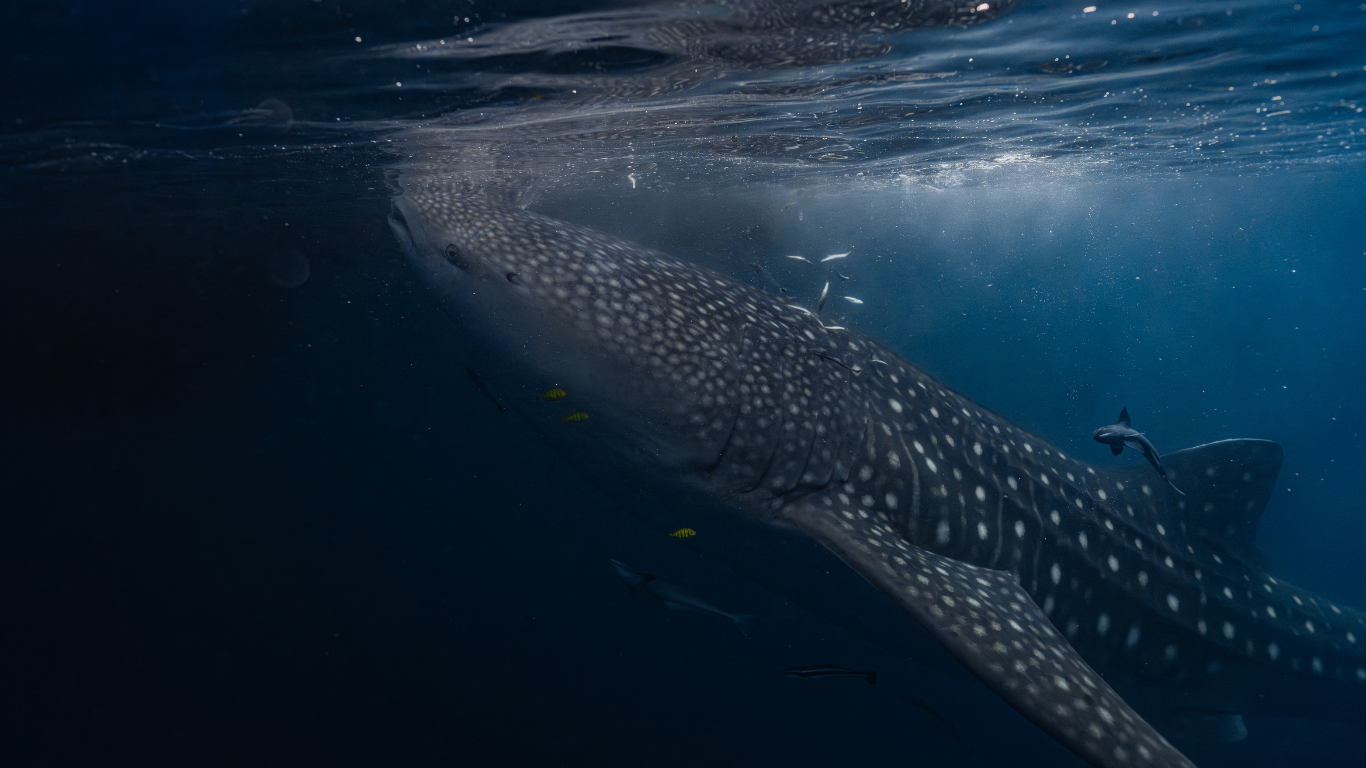
A whale shark trip in Derawan is often described as one of the most special experiences you can have while visiting this remote corner of Indonesia. It can also be one of the most misunderstood. This is not a guaranteed encounter, not a zoo-like experience, and not something that runs on a fixed schedule.
Instead, it’s an early-morning adventure shaped by lunar phases, fishing traditions, weather, and the natural behavior of wild animals. When conditions align, the reward can be extraordinary. This article explains honestly how the trip works, why timing matters, and what guests should realistically expect.
The night before a whale shark trip in Derawan, local captains confirm whether whale sharks have been spotted and where the fishing platforms are located. Depending on the season, this can be:
You’ll be asked to prepare your snorkelling gear the evening before, either in your room or on the jetty, so you’re ready to leave early.
Departure is very early, usually around 4:30 am, to reach the area during peak feeding time and before other boats arrive. The sunrise boat ride is often one of the quiet highlights of the trip.
Once at the fishing platforms, captains communicate with fishermen to locate where whale sharks have been seen. This can involve moving between several platforms before entering the water.
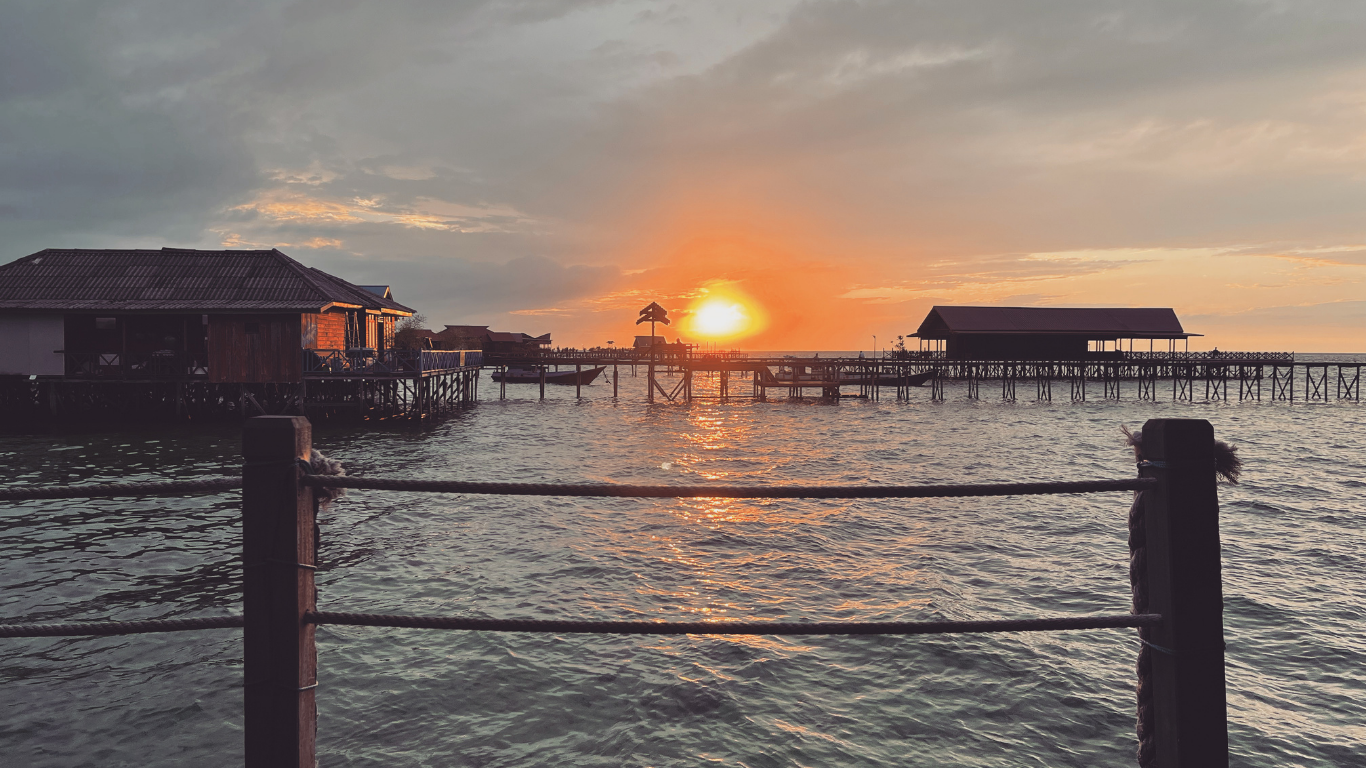
Bagans are traditional floating fishing platforms used by local fishermen. At night, lights attract small fish—mainly anchovies—which are then harvested in the early morning.
Whale sharks are drawn to this activity because of the concentration of food. These platforms are not built for tourism, and their locations change depending on season, wind, and sea conditions. This is why the distance and duration of a whale shark trip in Derawan can vary from day to day.
Whale sharks visit this area for one simple reason: food availability.
Around the new moon, nights are darker. Small fish stay closer to the surface and gather more densely around the bagans. This creates a feeding opportunity that whale sharks take advantage of.
Yes, technically, whale sharks are fed when they are already present. If a whale shark arrives and guests are in the water, fishermen may release extra anchovies—or sometimes even just water. Whale sharks are not particularly smart and still respond as if food is available, which keeps them around briefly.
Importantly:
They are not resident animals, trained, or conditioned to stay.
During the full moon, conditions change:
This is why the days leading up to and just after the new moon offer the best chances for a whale shark trip in Derawan.
While sightings are never guaranteed, planning your stay around the new moon can improve your chances.
| Month | New Moon Date | Best Viewing Window |
|---|---|---|
| January | 12 Jan 2026 | 10–14 Jan |
| February | 11 Feb 2026 | 9–13 Feb |
| March | 12 Mar 2026 | 10–14 Mar |
| April | 10 Apr 2026 | 8–12 Apr |
| May | 10 May 2026 | 8–12 May |
| June | 8 Jun 2026 | 6–10 Jun |
| July | 8 Jul 2026 | 6–10 Jul |
| August | 6 Aug 2026 | 4–8 Aug |
| September | 5 Sep 2026 | 3–7 Sep |
| October | 4 Oct 2026 | 2–6 Oct |
| November | 3 Nov 2026 | 1–5 Nov |
| December | 2 Dec 2026 | 30 Nov–4 Dec |
Planning tip: Aim to be in Derawan 2 days before to 2 days after the new moon.
This excursion is run entirely by the local community. Scuba Junkie does not operate the trip, does not profit from it, and does not take advance bookings.
All arrangements are made once you are on the island, allowing our team to check weather, moon phase, and availability with the local captains. Supporting this trip helps provide alternative livelihoods and long-term protection for the area.
Trips to Talisayan return around midday, which means you will not be able to join dive boats that day.
Although Scuba Junkie does not operate the trip, we expect all guests to follow strict guidelines:
Whale sharks may approach very closely, sometimes swimming directly toward snorkellers. This can feel intense, but they pose no threat to humans. Any guest who touches a whale shark will be removed from the water for the remainder of the trip.
Is the trip guaranteed?
No. Whale sharks are wild animals and sightings depend on many factors.
How early do we leave?
Usually around 4:30 am.
Can I book in advance?
No. Trips are arranged on the island only.
Will I miss diving?
Possibly. Short trips may allow you to join Dive 1; longer trips start from Dive 2 or 3.
What should I bring?
Mask, snorkel, fins, and optional warm layers and snacks.
A whale shark trip in Derawan is raw, early, unpredictable, and deeply special when it works. Understanding how it functions—from bagans to moon phases—helps guests arrive with the right expectations.
Go for the experience, not the promise. Respect the animals, the fishermen, and the rhythm of nature. That’s when the trip becomes truly unforgettable.