We provide daily dive trips and dive courses around the Sangalaki Marine Park.
Looking for tips and tricks about diving, marine life or what to do in Borneo? Follow us on our blog for weekly updates from the team!






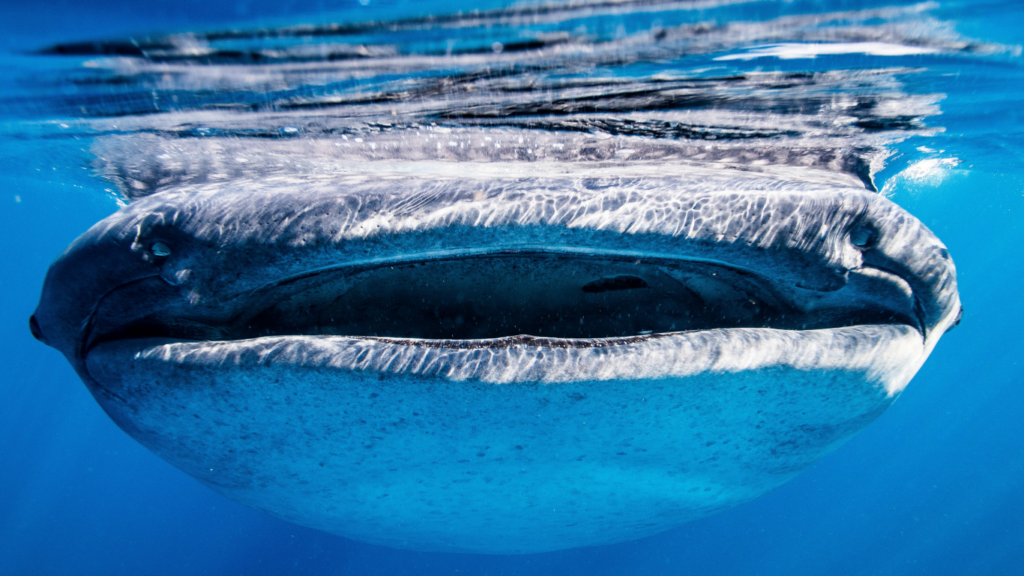
A whale shark trip in Derawan is one of those experiences many divers and snorkelers dream about—but it’s also one that works a little differently from what people often imagine. This is not a theme-park encounter, not a guaranteed sighting, and not something that can be booked months in advance.
Instead, it’s an early-morning adventure shaped by tides, moon phases, fishermen, weather, and a lot of patience. When everything aligns, the reward can be extraordinary: sharing the water with the largest fish in the ocean as the sun rises over the sea.
This blog is here to explain, honestly and clearly, what you can expect if you choose to join this trip while staying with Scuba Junkie Sangalaki on Derawan Island.
The night before your whale shark trip in Derawan, the local captains confirm whether whale sharks have been spotted and where the fishing platforms (bagans) are located. Depending on the time of year and conditions, this can be:
You’ll be asked to prepare your snorkelling gear in advance—either in your room or on the jetty—so everything is ready for a very early start.
Your alarm will be set early. Very early. Boats usually depart around 4:30 am, aiming to reach the bagans before other boats arrive and during the peak feeding window.
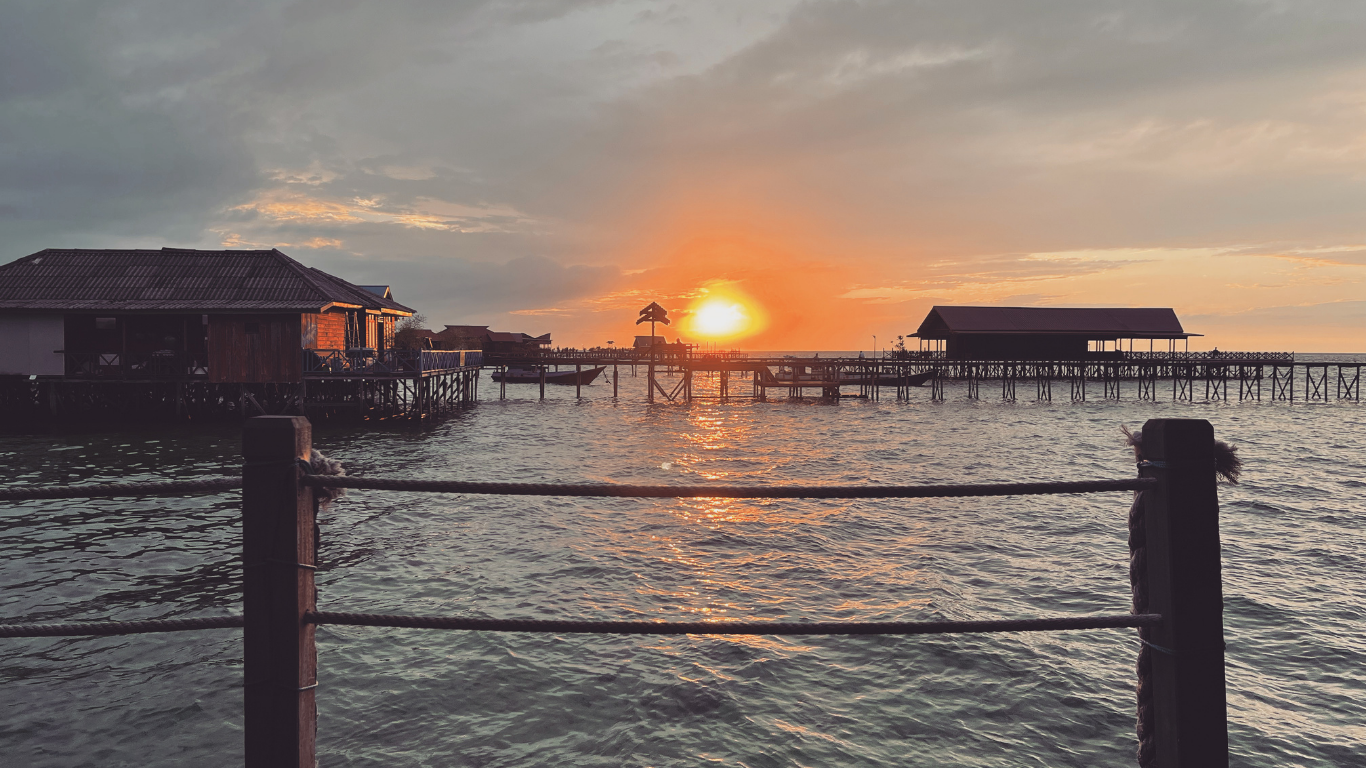
As the boat moves through the calm morning sea, you’ll watch the sunrise—often one of the quiet highlights of the trip. Once near the fishing platforms, captains communicate with fishermen and other boats to locate where whale sharks have been seen. This may involve moving between several bagans.
When whale sharks are spotted, you’ll enter the water to snorkel with them.
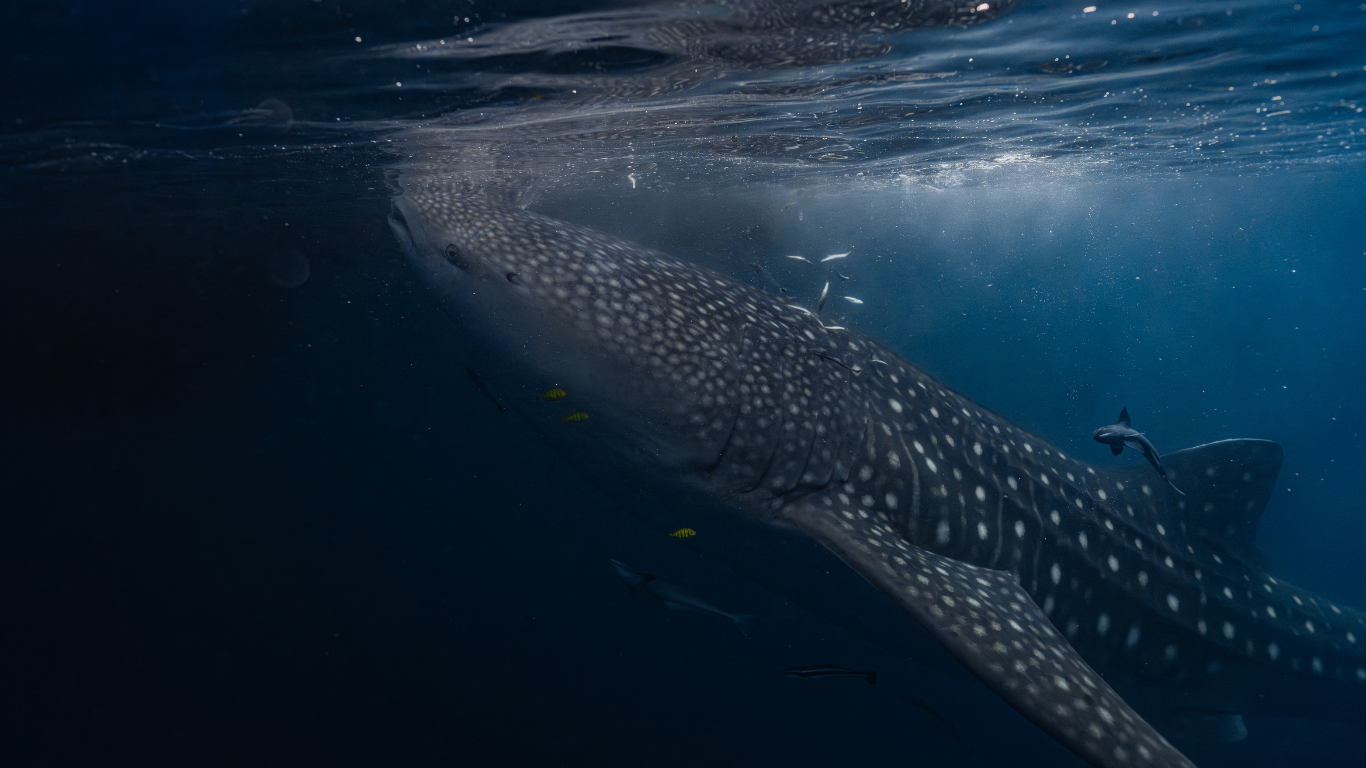
Whale sharks come to this area because of anchovies. These small fish gather around the fishing platforms, and whale sharks take advantage of the easy food source.
It’s important to be transparent here: the whale sharks are being fed indirectly, as fishermen release anchovies while fishing. This is why sightings are relatively reliable during certain lunar phases—especially around the New Moon.
However, research and long-term observation indicate that this feeding does not change the whale sharks’ natural behaviour or migration patterns. They come and go freely, stay for varying lengths of time, and continue their normal movements through the region.
They are not captive, trained, or controlled in any way—and that’s also why sightings are never guaranteed.
This is a key point: Scuba Junkie does not operate this excursion.
The whale shark trip in Derawan is:
Scuba Junkie makes no money from this trip and does not take responsibility or liability for it. We also don’t take advance bookings. All arrangements are made once you are on the island, allowing our team to check conditions, moon phase, and availability with the local captains.
Supporting this trip means supporting alternative livelihoods for the community—one of the most effective ways to protect whale sharks and their habitat long-term.
Prices depend on location:
When trips go to Talisayan, departure is around 5:00 am, and return is usually around midday, which means you won’t be able to join the dive boats that day.
Once everyone has had enough time in the water, the boat heads back to Derawan.
Either way, it’s an early start followed by a very full day.
Scuba Junkie is an eco dive centre, and although we don’t run this excursion, we expect all guests to follow strict guidelines:
Whale sharks may come very close—sometimes directly towards you with mouths open. This can feel intense, but they pose no threat to humans. Still, touching them is strictly forbidden.
Any guest who touches a whale shark will be removed from the water for the remainder of the trip.
There are very few places left in the world where encounters like this still happen naturally. Respect is what allows them to continue.
A whale shark trip in Derawan is not guaranteed. It depends on weather, moon phase, location of the bagans, and whether the whale sharks decide to show up that morning.
But when it works, it’s quiet, raw, and genuinely special—no crowds, no cages, no choreography. Just early light, calm water, and the chance to share space with one of the ocean’s most gentle giants.
If you choose to go, go with patience, respect, and realistic expectations. That’s when the experience truly delivers.