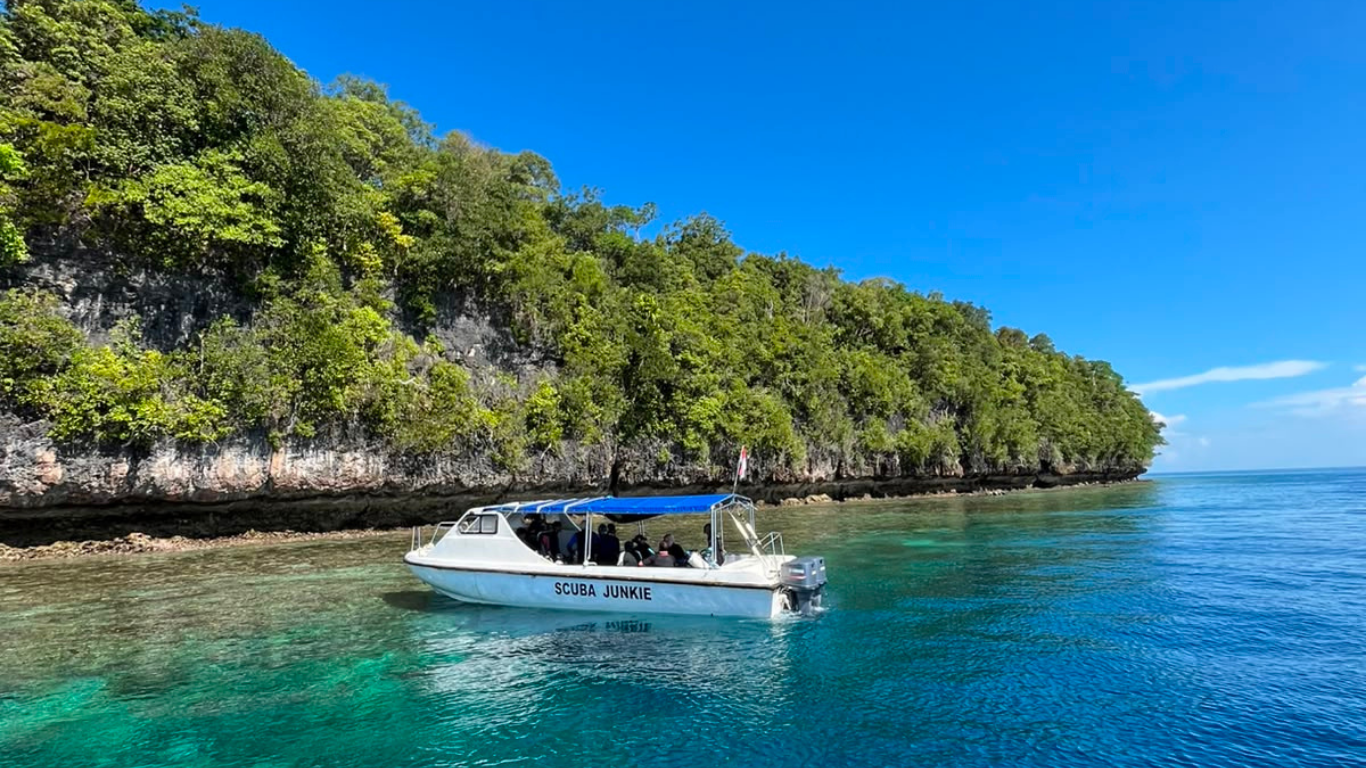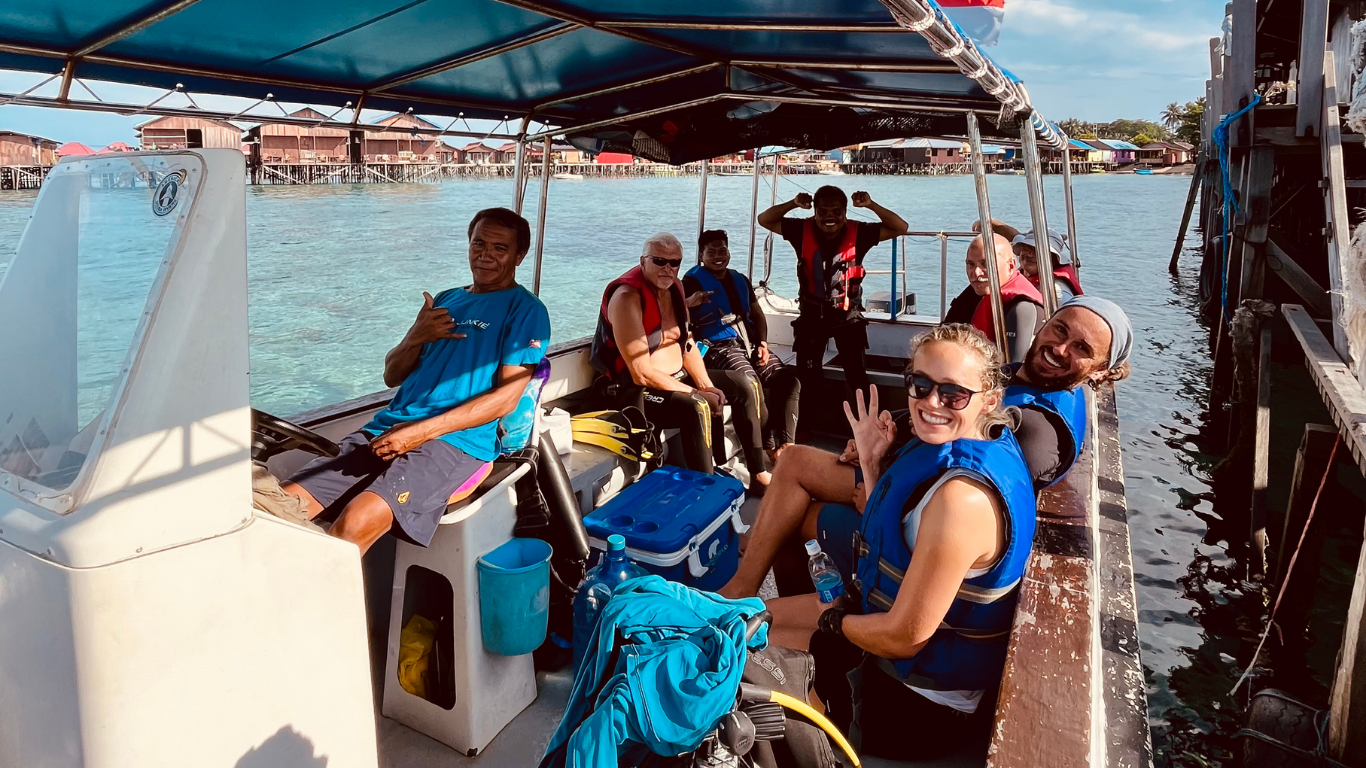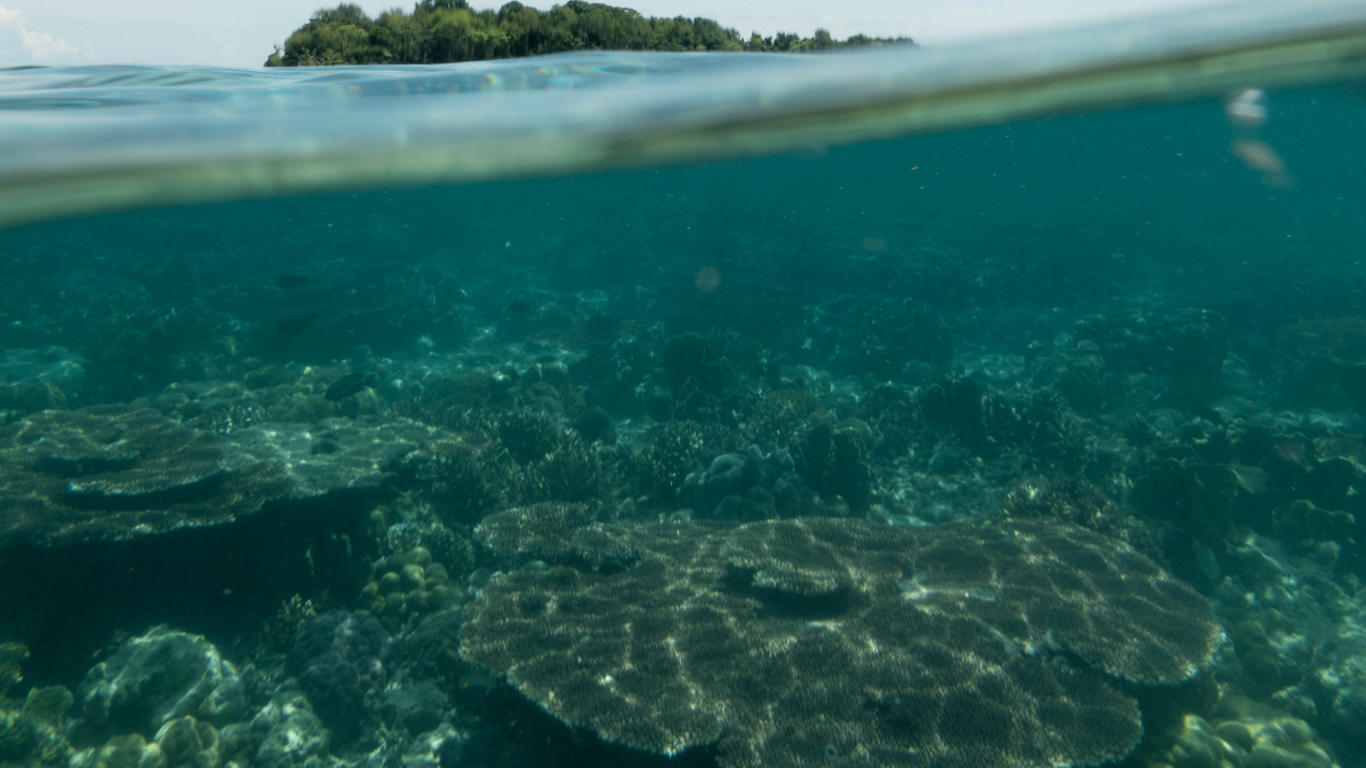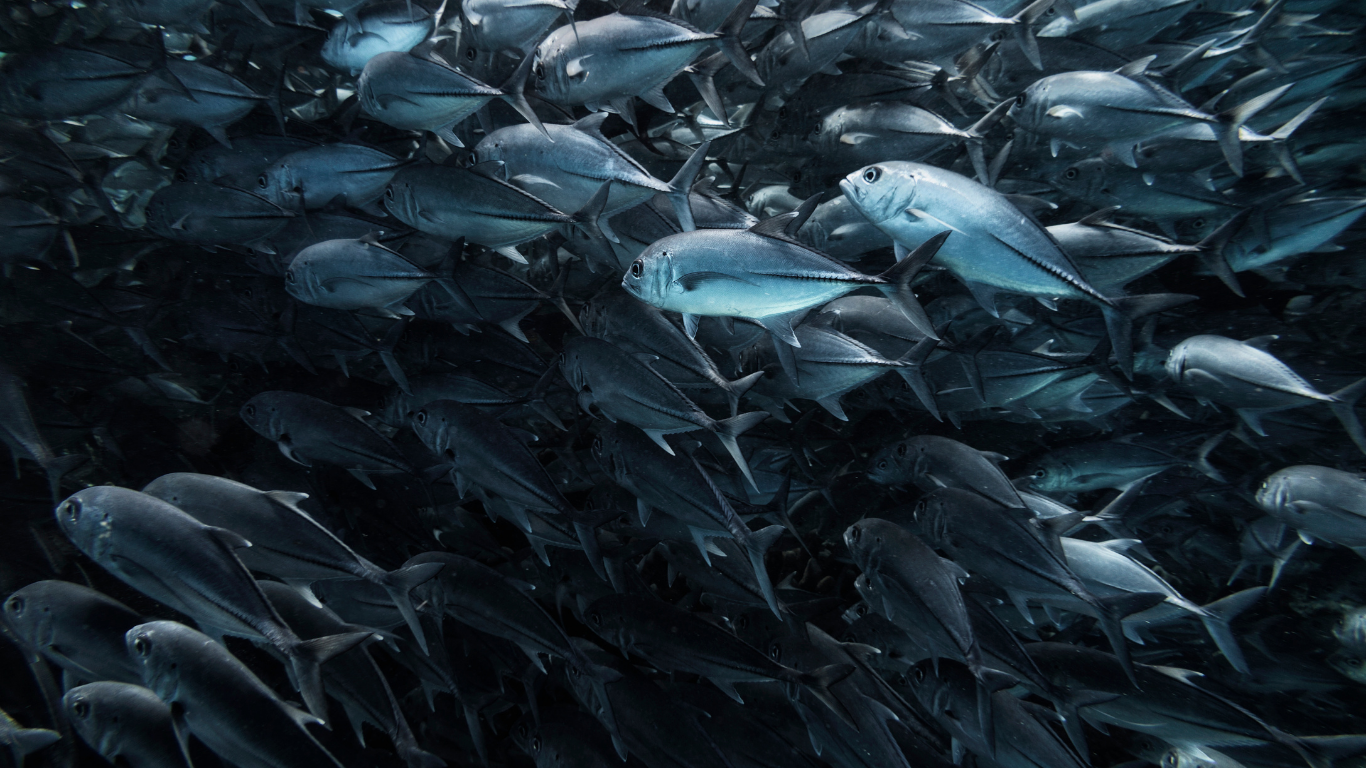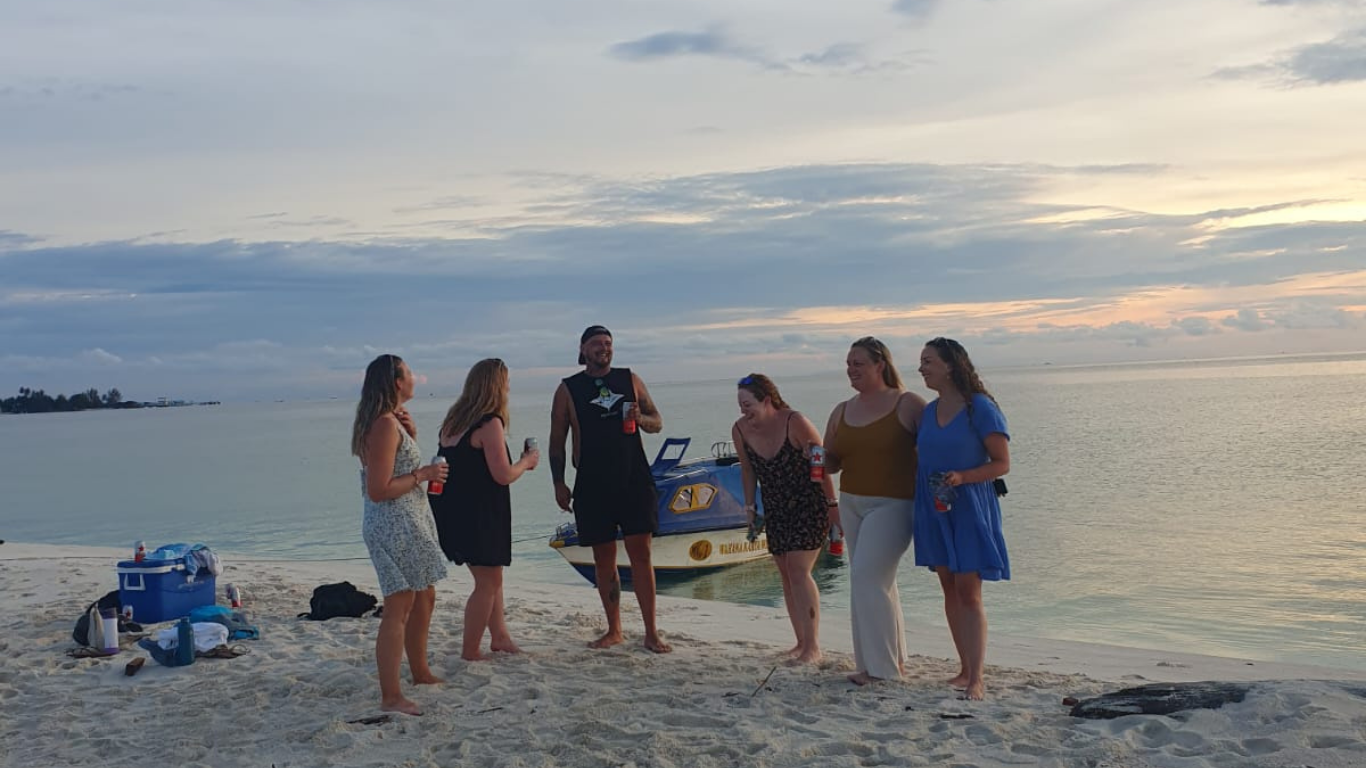
We provide daily dive trips and dive courses around the Sangalaki Marine Park.
Looking for tips and tricks about diving, marine life or what to do in Borneo? Follow us on our blog for weekly updates from the team!






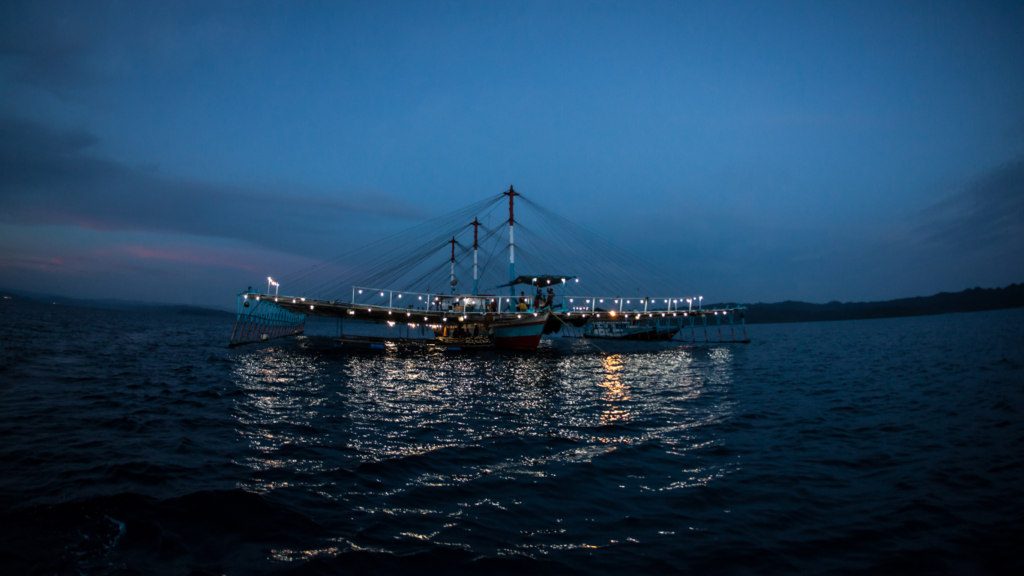
Long before divers arrived in the Derawan Archipelago searching for mantas, turtles, or whale sharks, tiny lights were already appearing on the horizon after sunset.
From the shore, they almost looked like floating villages.
A few dim lamps in the middle of the sea. Wooden structures standing quietly in the dark. Men preparing coffee. Someone cooking dinner. Hammocks swaying in the evening breeze.
These are the bagans.
And for generations, they have been part of life in Indonesia.
Most visitors first notice them at sunrise, when their silhouettes slowly emerge from the morning mist. Others encounter them while heading out for a whale shark trip. But few realise that these simple wooden platforms have stories that go back long before tourism ever arrived in Derawan.
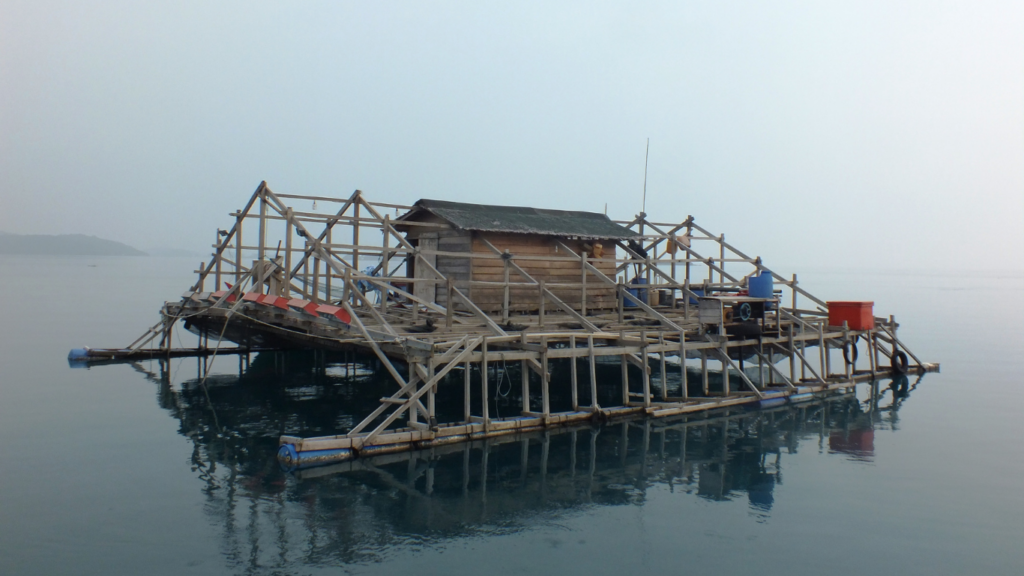
The word “bagan” refers to a traditional Indonesian lift-net fishing platform. Originally introduced by Bugis and Makassarese fishermen from Sulawesi in the mid-20th century, these floating structures were designed to catch squid and small pelagic species using lights and large nets suspended beneath the platform.
Some bagans remain anchored in one place for months. Others move depending on the season and fishing conditions.
But no matter their location, they are much more than fishing tools.
Step onto a bagan and you’ll find small kitchens, sleeping areas, simple tables, and enough supplies for fishermen to spend days or even weeks at sea. Life moves slowly out here. Meals are shared, stories are exchanged, and the ocean provides both a livelihood and a rhythm.
To many fishermen, the bagan is simply where life happens.
As the sun disappears below the horizon, something magical begins.
Lights come on.
Bright lamps shine over the water, attracting plankton, squid, and small fish. Throughout the night, more and more marine life gathers beneath the platform. Hidden below, large square nets wait patiently.
At the right moment, the fishermen raise the nets and collect the catch.
Fishing on dark nights has traditionally been the most productive. Around the new moon, when natural light is limited, the artificial lights become even more effective. That is why bagans are often busiest during these periods.
While most people are asleep, life on the bagans is only just beginning.
Like many things in the ocean, bagans are not fixed forever. They move with the weather and with the seasons.
During most of the year, roughly from September until June, many of the platforms operate relatively close to Derawan Island. At these times, reaching them is often just a short boat ride away.
When the southern winds arrive, usually from mid-June until around mid-September, conditions become rougher around Derawan. To find calmer waters, many fishermen move their bagans towards the sheltered area of Talisayan, closer to the mainland of East Kalimantan.
Life on the platforms continues much as it always has, only in a different location. And with them, the rhythm of the sea changes too.
For visitors, this means that whale shark trips during these months involve a much longer journey, often around two hours each way. It also means that some days are simply too rough to go at all. The ocean, as always, decides the schedule.
Spend enough time around the bagans, and you begin to realise that fishing is only part of the story.
Life out here is simple.
Morning starts with coffee. Conversations happen slowly. Meals are cooked on tiny stoves. Between lifting nets and checking lines, there are long periods of waiting.
Sunsets become routine. So do sunrises.
There are no traffic jams. No schedules filled with meetings. Only the weather, the moon, and the sea.
It is a lifestyle that demands patience.
And perhaps that is why the people who work on these platforms seem so comfortable with uncertainty. The ocean has always operated on its own timetable.
For many communities around the Derawan Archipelago, bagans represent generations of knowledge passed from father to son. Understanding currents, reading the weather, and knowing the influence of the moon have always been part of life at sea. Long before modern weather forecasts and GPS, fishermen relied on experience and patience, learning to work with the ocean rather than against it.
These floating platforms are part of a tradition that has adapted over time while remaining deeply connected to the sea. They remind us that life in the archipelago has always depended on understanding the ocean rather than trying to control it.
The bagans are not monuments.
They are living history.
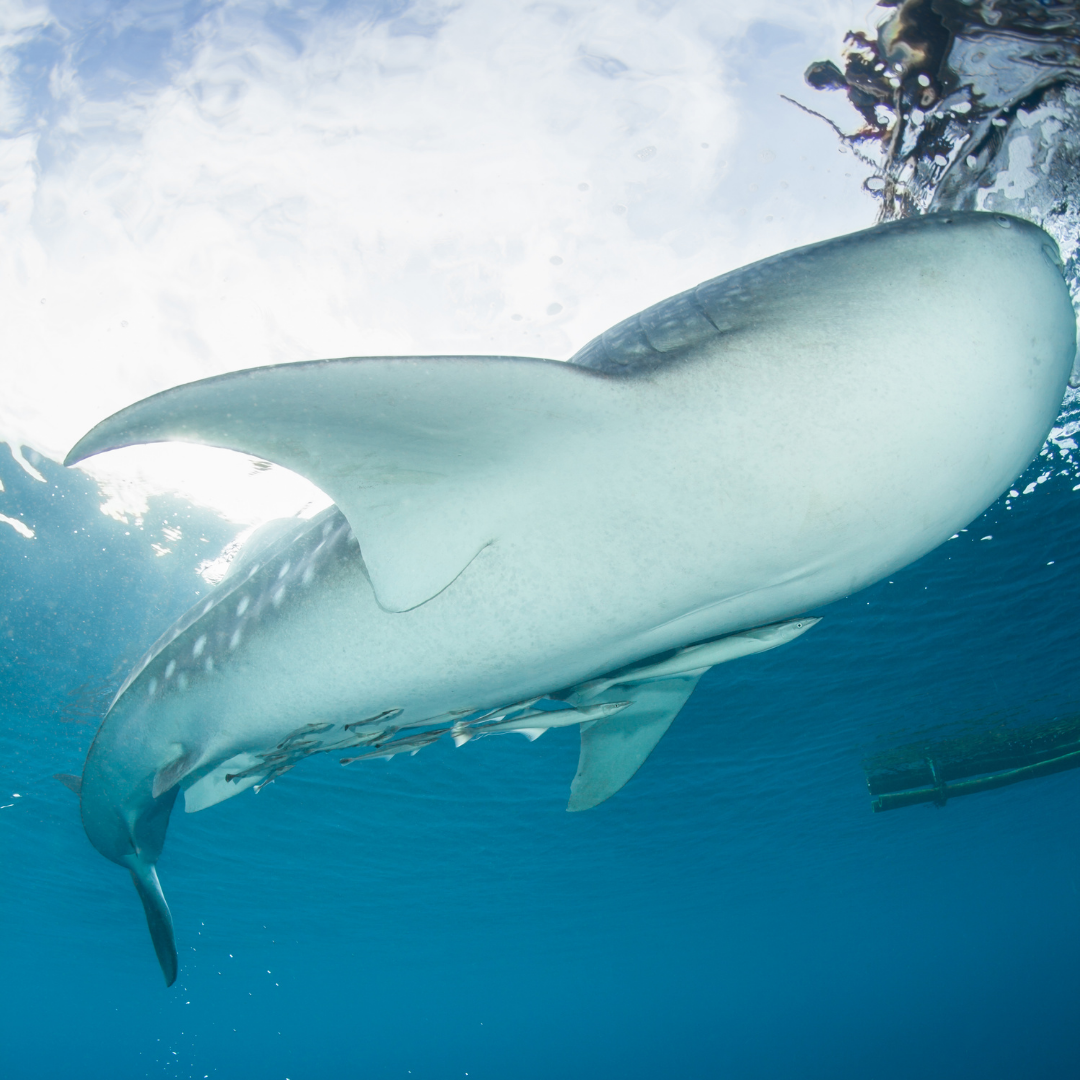
People often associate bagans with whale sharks, but the relationship is only one small part of a much bigger story.
The lights attract squid and small fish, creating feeding opportunities that whale sharks sometimes take advantage of. If a whale shark is already present and fishermen have excess catch, some may throw leftovers back into the water. Sometimes even splashing water is enough to keep the curious giants interested for a little longer.
Current observations suggest these interactions do not alter the whale sharks’ natural migration patterns, and after a quick snack they continue their journeys through the archipelago and beyond.
For the fishermen, whale sharks are occasional visitors. For the whale sharks, the bagans are simply one of many places where food can sometimes be found.
Fishing remains the primary purpose of these platforms, but tourism has created new opportunities as well.
Local captains and fishermen have become guides, sharing their knowledge with visitors who wish to experience the ocean through local eyes. At Scuba Junkie Sangalaki, whale shark excursions are organised directly through the local community. The trips are not operated by the resort, and all payments go directly to local captains and guides.
This connection between tourism and traditional livelihoods helps create additional sources of income while keeping the community involved in protecting the marine environment. Conservation works best when local people benefit from it too.
A bagan is a traditional Indonesian lift-net fishing platform used primarily for catching squid and small fish at night using lights.
Depending on the season and location, fishermen may spend days or even weeks living on the platforms.
The lights attract plankton, squid, and small fish, which gather beneath the platform and are caught using large nets.
Dark nights make the lights more effective, which usually improves fishing conditions.
No. Whale sharks are wild animals and their presence is never guaranteed.
Yes. Many visitors experience the bagans during whale shark trips organised by local captains.
If you ever leave Derawan before sunrise, take a moment to look towards the horizon.
Those lights are not resorts.
They are not ships.
They are bagans.
Small worlds floating quietly in the sea, where generations of fishermen have lived by the rhythm of the ocean.
Long after the tourists have returned home, the lights will come on again. Coffee will be brewing, nets will be lowered, and stories will be shared. Because for the people who live and work on them, the bagans are not attractions.
They are simply life.