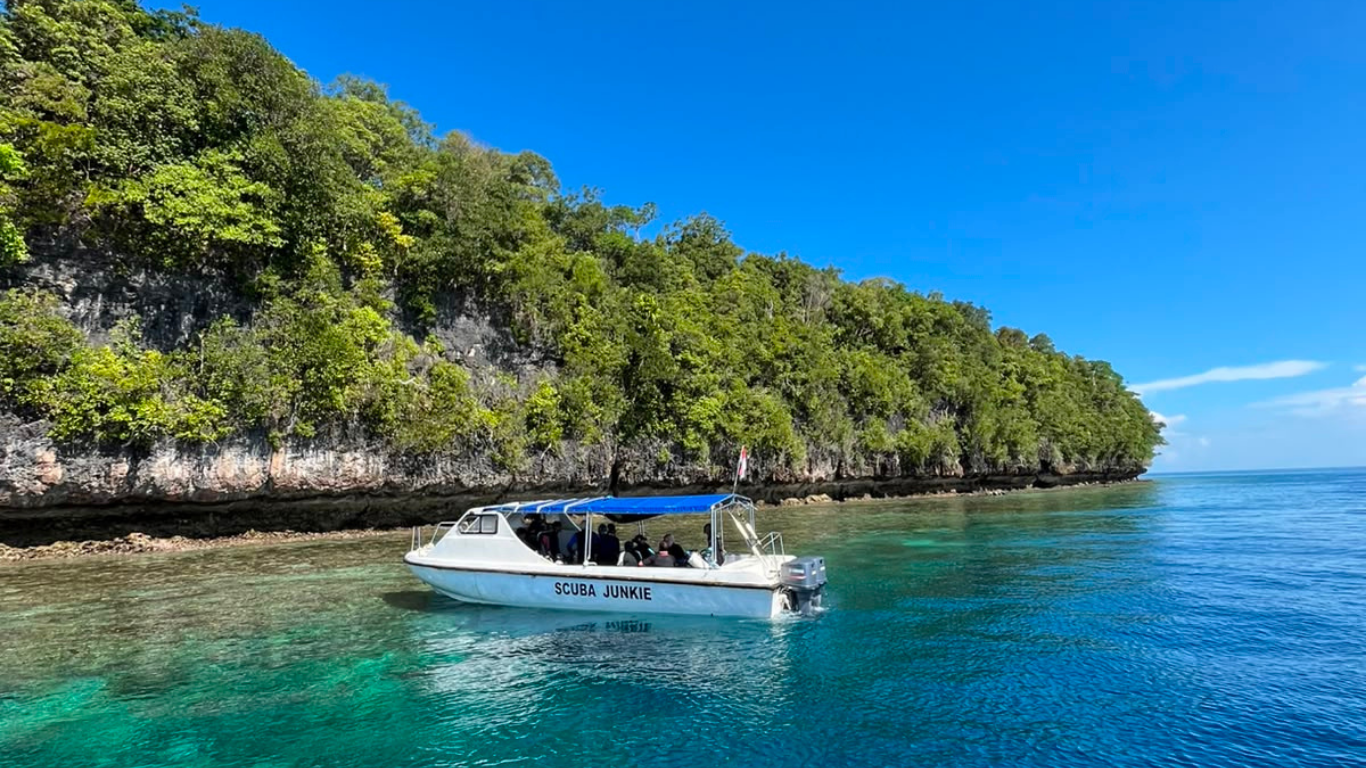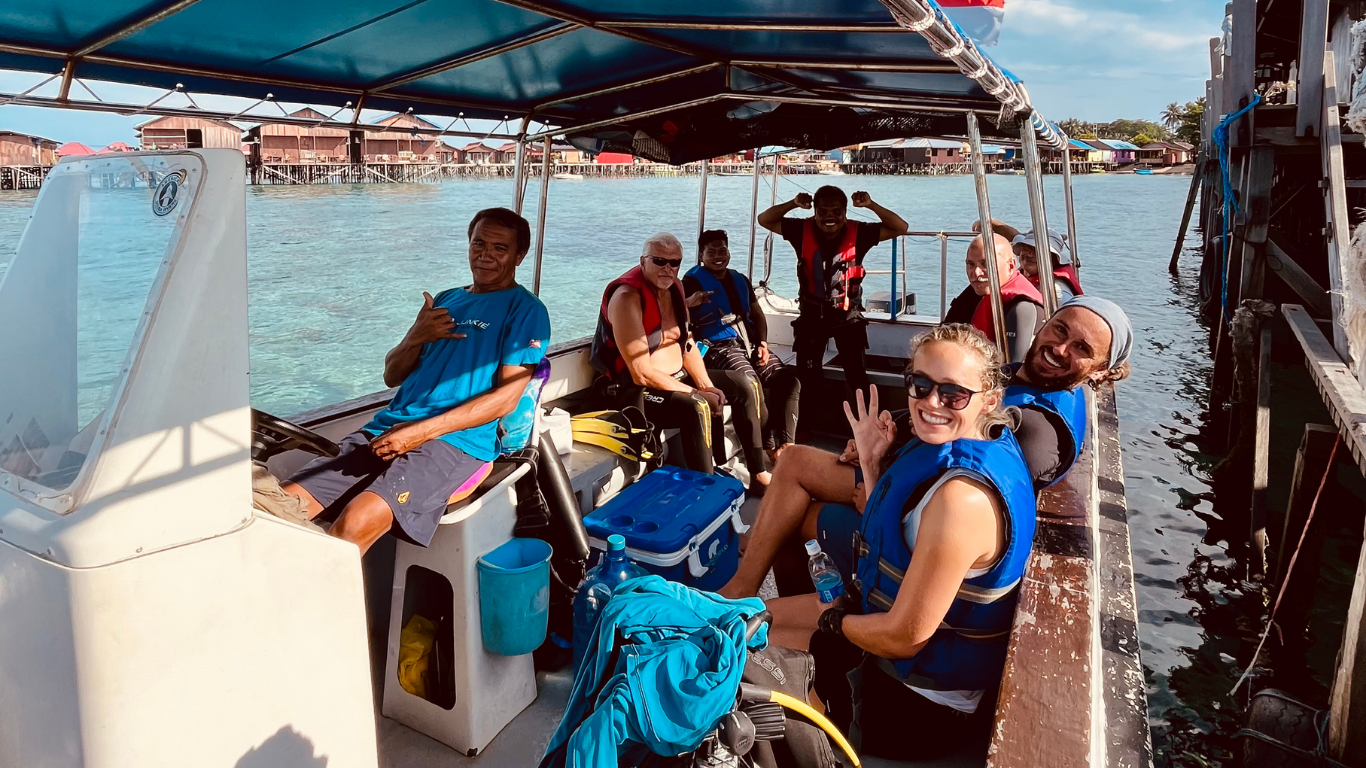
We provide daily dive trips and dive courses around the Sangalaki Marine Park.
Looking for tips and tricks about diving, marine life or what to do in Borneo? Follow us on our blog for weekly updates from the team!




Understanding ocean behavior is not a special talent reserved for marine biologists or dive guides. It is something many divers slowly develop over time, often without even realizing it.
There’s a moment that happens to many divers after enough time underwater.
You stop searching for marine life directly.
Instead, you start paying attention to everything around it.
The current changes slightly. A school of fish suddenly tightens. Cleaner wrasse become unusually active. Visibility shifts. The reef feels different somehow. And before you even see anything, you know something is about to happen.
The ocean is constantly giving information away. The longer you spend underwater, the more you begin to notice the patterns.
And once you do, diving changes completely.
Many memorable marine life encounters actually begin several minutes before the animal arrives.
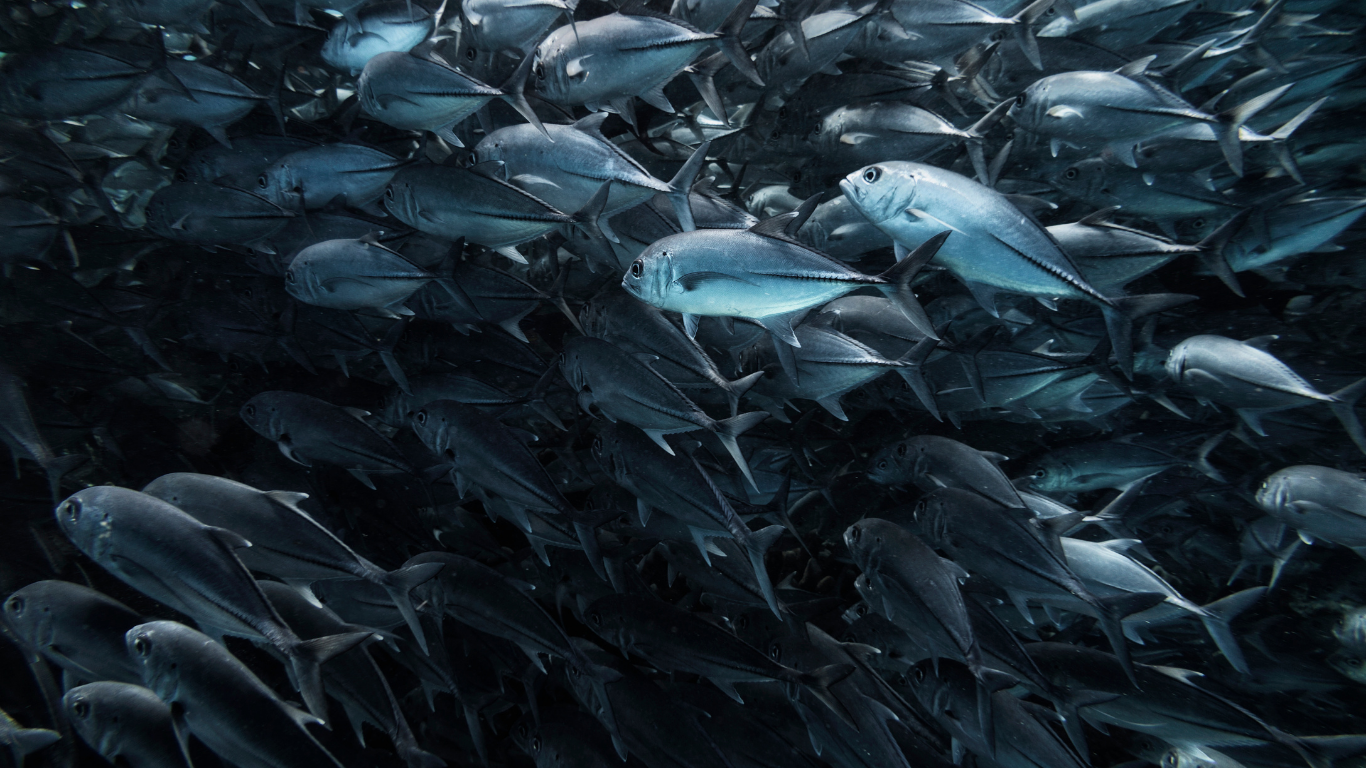
A reef rarely stays neutral when something larger approaches. Fish react. Tiny movements spread through the water column. Schools become tighter and more organised. Some species disappear into the reef while others move higher into the current.
Experienced divers often notice these subtle changes before they notice the shark, manta ray, or tuna itself.
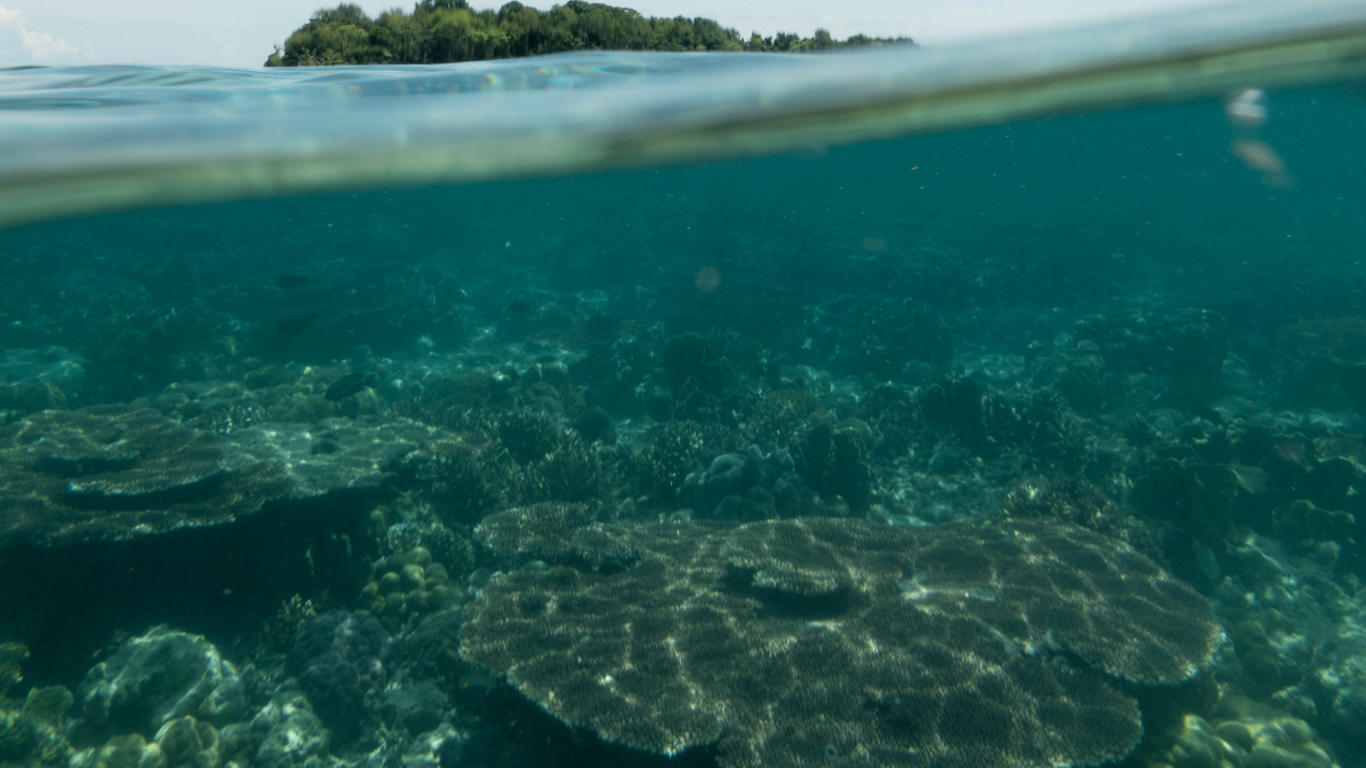
In places like the Derawan Archipelago, these moments happen naturally and often unexpectedly. One minute a dive feels calm and slow, and the next the entire reef seems to wake up.
That transition is part of what makes diving feel alive.
One of the clearest examples of ocean behavior can be seen around cleaning stations.
Cleaner wrasse and cleaner shrimp spend their days removing parasites and dead skin from larger animals. Reef fish, turtles, manta rays, and even sharks visit these stations regularly.
But cleaning stations are not random meeting points. They follow patterns.
When activity around a cleaning station increases, experienced divers often become more attentive. A manta ray may be approaching. A turtle could appear from the blue. Sometimes the only clue is the sudden movement of small cleaner fish becoming more active than usual.
The reef often announces arrivals quietly before divers notice them.
Many divers are nervous about current at first. But current is one of the reasons reefs become so full of life.
Current brings nutrients. Nutrients attract plankton. Plankton attracts smaller fish. Smaller fish attract predators. Everything is connected.
Understanding ocean behavior means recognizing that strong marine life encounters are often linked to moving water.
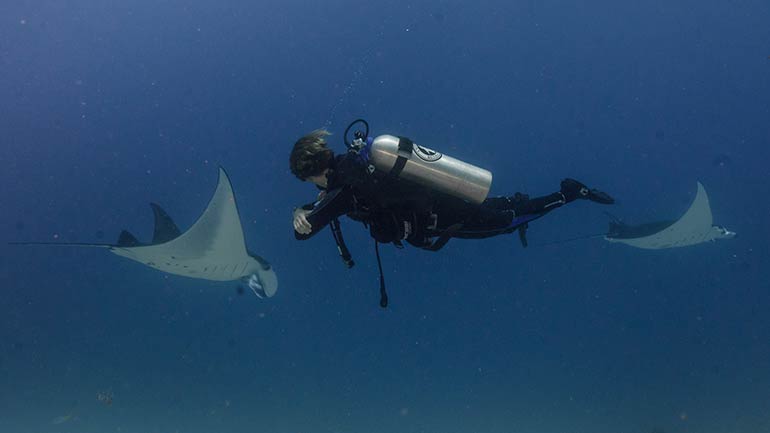
This is why manta rays frequently appear in current areas. Why sharks patrol reef edges. Why schooling fish position themselves in certain places at certain times.
The best dives are not always the calmest ones.
Not every signal underwater is about movement.
Sometimes the most interesting thing is silence.
Divers occasionally describe moments where the reef suddenly feels empty or unusually still. Fish disappear into coral heads. The water column clears. Small species become cautious.
Then something larger appears.
Predators influence reef behaviour long before divers notice them directly. Tuna, sharks, and large trevallies can completely change the atmosphere underwater simply by entering the area.
Learning to recognise these shifts is part of understanding ocean behavior.
The ocean does not stop at the surface.
On boat rides in the Derawan Archipelago, experienced guides often watch birds carefully. Diving seabirds can reveal where bait fish are gathering. Surface activity may indicate feeding predators below.
Sometimes what happens above the water helps explain what is happening underneath it.
This connection between sky, surface, and reef is part of what makes the ocean feel like one large living system rather than separate environments.
One of the surprising things about ocean behavior is that it rewards patience more than speed.
Divers who rush from one coral head to another often miss the small changes happening around them. The best encounters frequently happen to divers who slow down, hover quietly, and observe.
Marine life responds differently to calm divers. Fish relax. Turtles continue feeding. Sharks pass naturally without sudden direction changes.
The ocean becomes easier to read when you stop trying to control it.
Many divers visiting the Derawan Archipelago arrive hoping to see specific animals. Mantas, whale sharks, turtles.
And often they do.
But after several days, something changes. The dives become less about searching for highlights and more about understanding the rhythm of the reef itself.
You start recognising current lines. Fish movement begins to make sense. Cleaning stations become predictable. The ocean starts feeling less random.
That deeper understanding is often what keeps experienced divers coming back.
The reef is never truly quiet.
Every movement, every shift in behaviour, every sudden change in direction is part of a larger conversation happening underwater.
Understanding ocean behavior does not guarantee sightings. It does something better. It transforms diving from passive observation into active awareness.
And once divers begin noticing these patterns, they rarely stop.
Some divers collect sightings.
Others slowly learn to read the ocean itself.
The longer you spend underwater, the more you realise that marine life rarely appears without warning. The reef communicates constantly through movement, silence, current, and behaviour.
Understanding ocean behavior makes diving feel less like chasing moments and more like becoming part of the environment around you.
And in places like Derawan, where reefs are still full of life, those signals are everywhere if you know where to look.