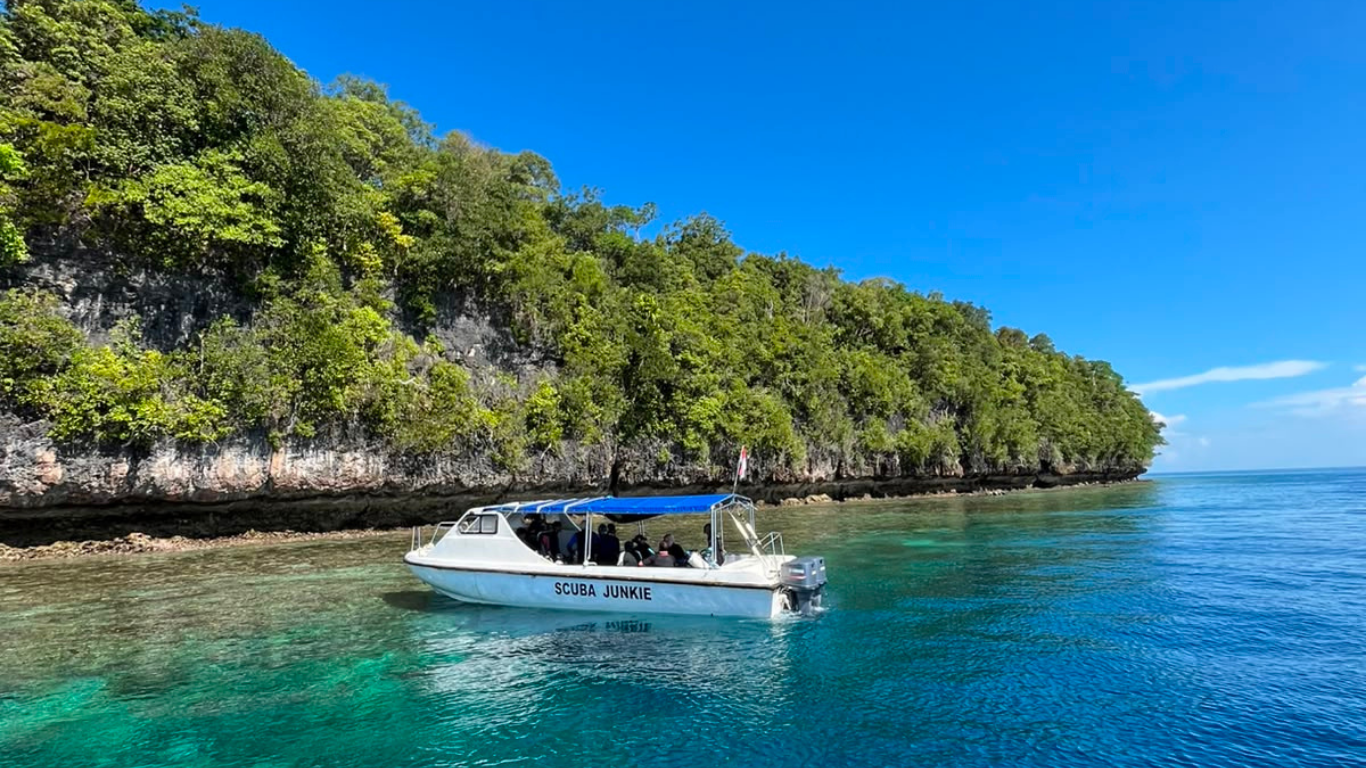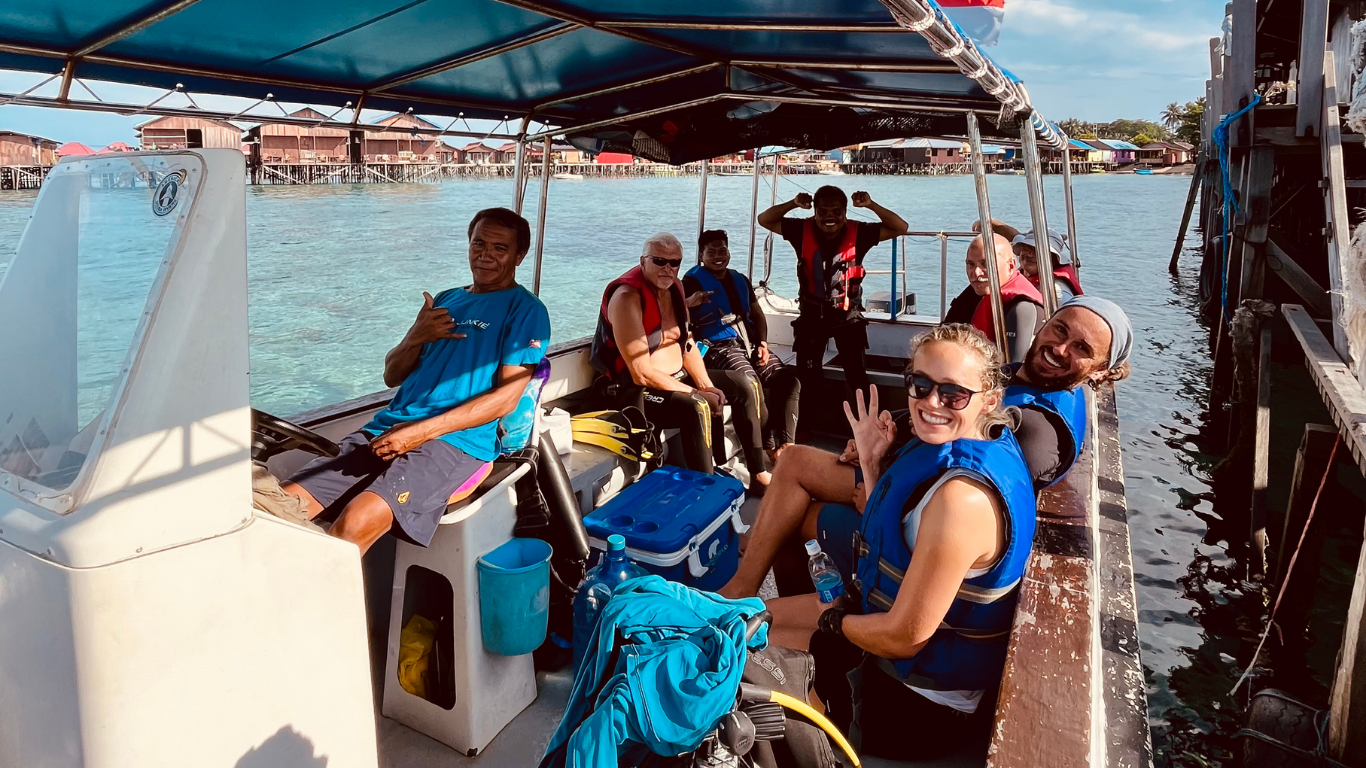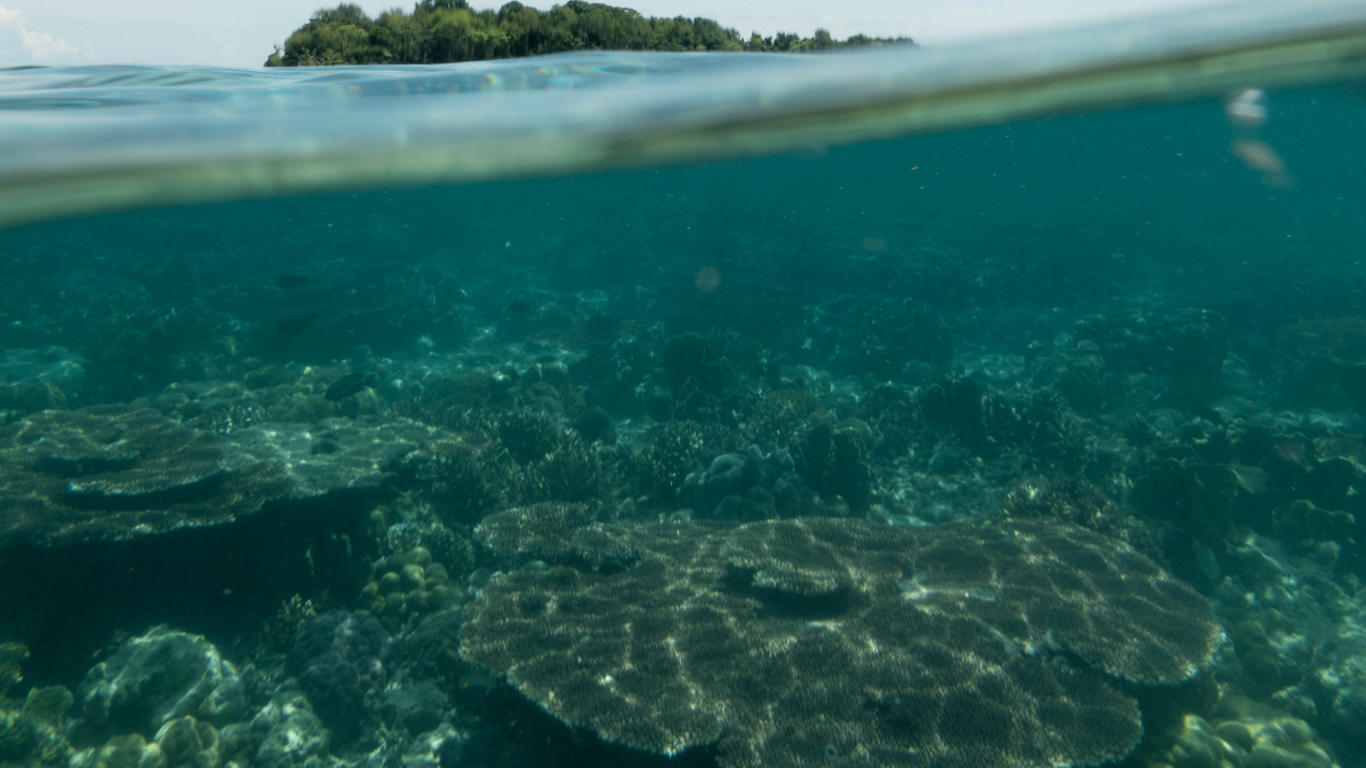
We provide daily dive trips and dive courses around the Sangalaki Marine Park.
Looking for tips and tricks about diving, marine life or what to do in Borneo? Follow us on our blog for weekly updates from the team!






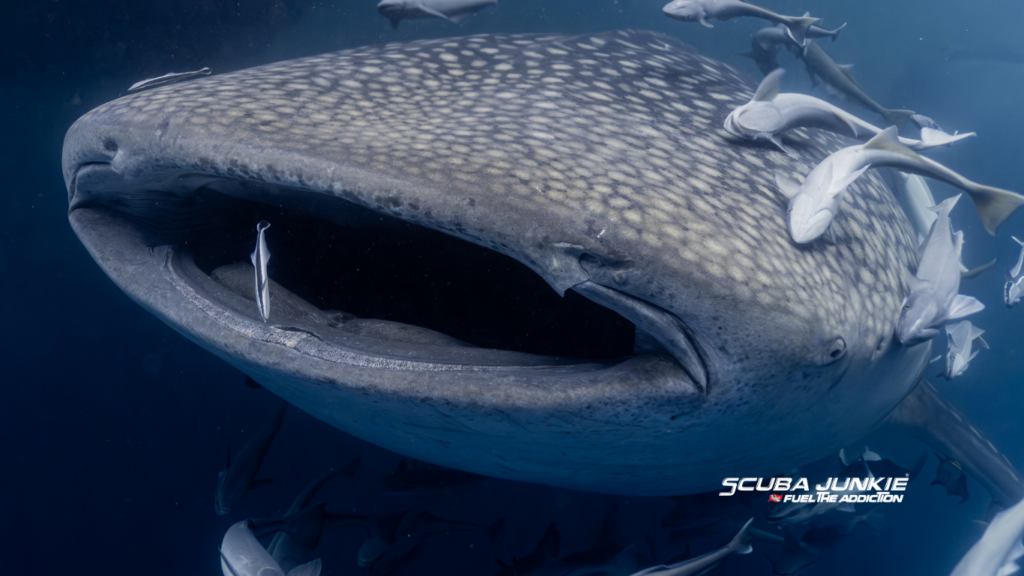
Imagine you are floating in the water, face-to-face with the largest fish on Earth.
A whale shark glides slowly beneath you. Its enormous mouth opens as it filters water, completely uninterested in your presence. Your eyes follow the pattern of white spots along its back, and for a moment, it feels like the only thing in the ocean.
Then you notice something else.
Small fish tucked underneath its belly. A few near its gills. Others attached along its sides. Sometimes they are tiny. Sometimes they are surprisingly large. They seem completely at home, as if they belong there.
And in a way, they do.
The story of whale shark remora symbiosis is one of the most fascinating partnerships in the ocean. It is a relationship built on cooperation, opportunity, and millions of years of evolution. And once you understand it, you will never look at a whale shark the same way again.
To understand the relationship, we first need to meet the remora.
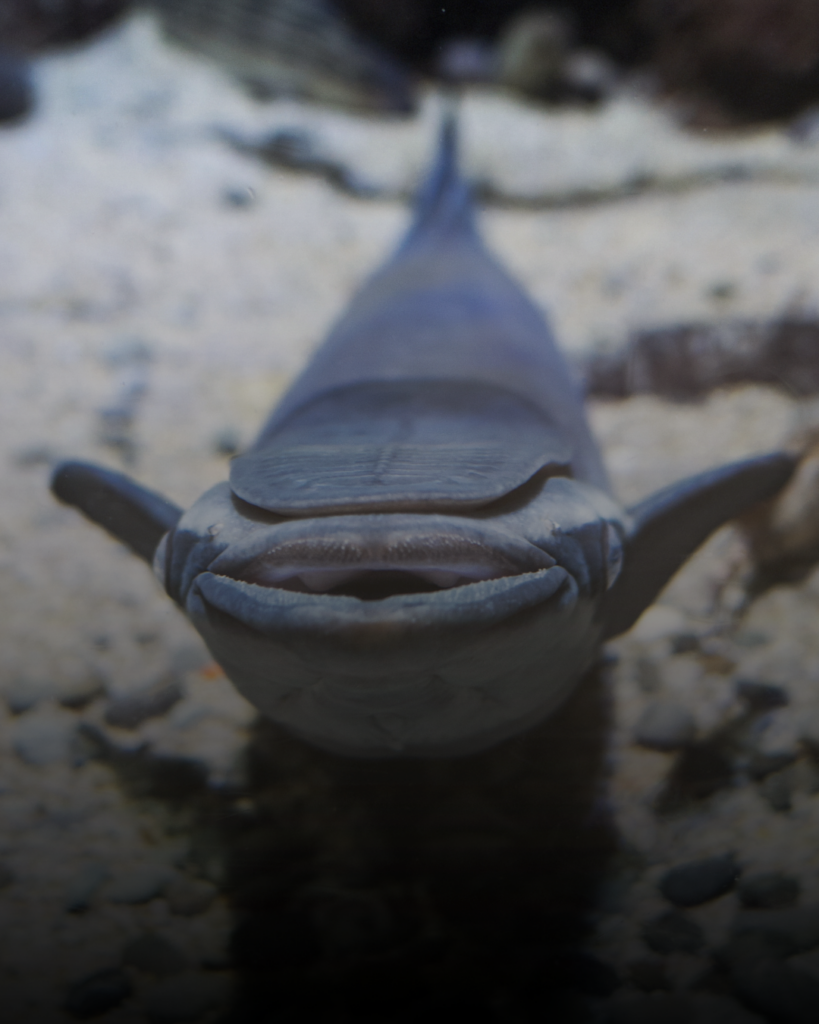
Remoras are a family of fish famous for one unusual feature. On top of their heads sits a modified dorsal fin that has evolved into a suction disc. This natural adaptation allows them to attach themselves to larger animals.
At first glance, it can look like they are stuck to the whale shark. In reality, they can attach and detach whenever they want. Think of it as a living suction cup designed by nature.
For a remora, finding a whale shark is a little like finding a moving house.
It provides transportation, protection, and access to food, all without the remora needing to spend much energy.
Not a bad deal for a fish.
The word “symbiosis” often sounds more complicated than it really is.
In simple terms, symbiosis is a close relationship between two different species.
Some symbiotic relationships benefit only one animal. Others benefit both. Some can even be harmful to one partner.
The whale shark remora symbiosis is generally considered a form of mutualism or commensalism, depending on the situation. Scientists continue to study the relationship, but the important point is that neither animal appears to suffer from it.
Instead, both seem to gain something from the arrangement.
Like many good roommates, they make life easier for one another.
A whale shark spends much of its life moving through the ocean in search of plankton and other tiny food sources.
For a remora, following a whale shark offers several advantages.
The most obvious is transportation.
Rather than swimming long distances on its own, the remora can travel efficiently by attaching itself to the whale shark. This allows it to conserve energy while exploring vast stretches of ocean.
Food is another benefit.
As a whale shark feeds, small scraps and particles drift away. Remoras take advantage of these opportunities, feeding on leftovers that would otherwise be lost.
The whale shark, meanwhile, gains something too.
Remoras are known to consume parasites, dead skin, and unwanted organisms from their hosts. While a whale shark could certainly survive without remoras, having a few diligent cleaners around is unlikely to be a disadvantage.
The result is one of the ocean’s most successful partnerships.
One of the most remarkable aspects of whale shark remora symbiosis is the remora’s ability to stay attached while the whale shark swims.
The suction disc on top of the remora’s head contains a series of movable plates. When pressed against a surface, these plates create a strong grip.
This allows the remora to remain attached even when the whale shark changes direction or increases speed.
Despite this impressive attachment system, remoras are not permanent passengers. They move around frequently, switching positions and sometimes leaving one host to find another.
It is less like being glued to a whale shark and more like choosing the best seat on a very large bus.
Although whale sharks are among the most famous hosts, remoras are not particularly picky.
They can be found attached to:
Some have even been observed attaching themselves to boats.
For a remora, the goal is simple. Find something large, safe, and constantly moving through food-rich waters.
Whale sharks happen to be particularly attractive options.
One of the reasons whale shark encounters in the Derawan Archipelago are so memorable is that they allow you to observe more than just the whale shark itself.
Many guests join the whale shark trips hoping to see the giant fish, and understandably so. But those who take a moment to slow down often notice the details.
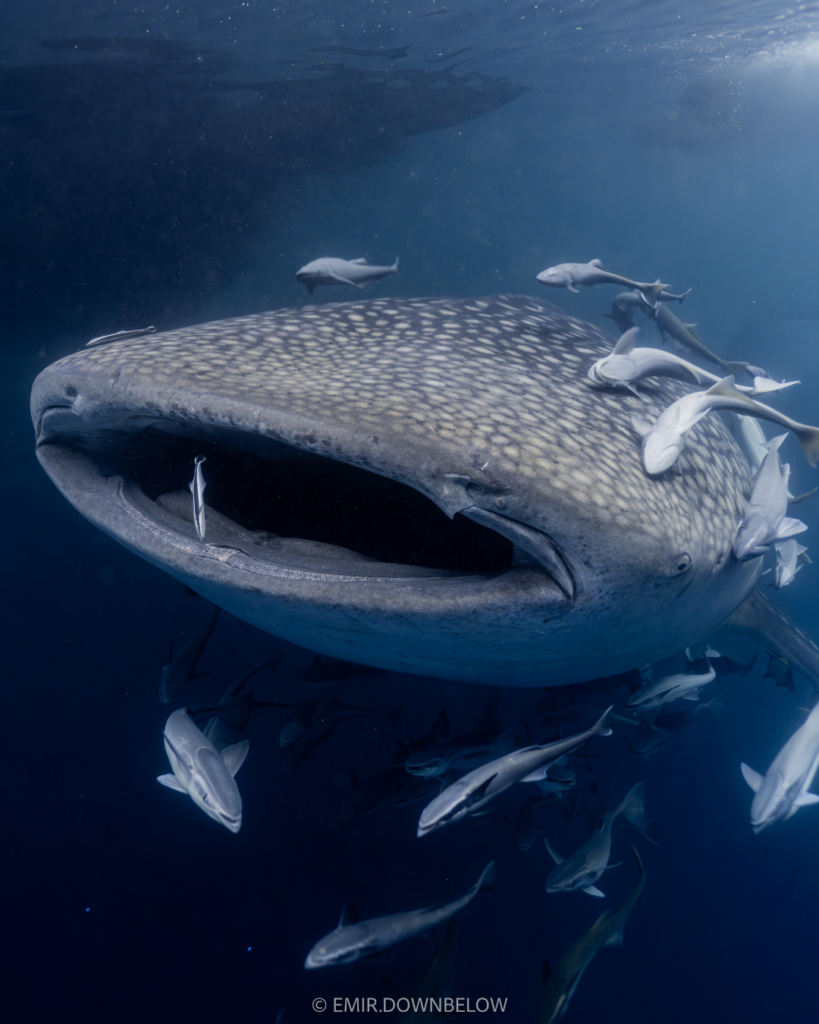
Look beneath the whale shark. Around its gills. Along its sides.
You may spot several remoras travelling alongside their enormous host.
Suddenly, what seemed like a single animal becomes an entire story unfolding in front of you.
The whale shark is not travelling alone.
The longer divers spend underwater, the more they realise that nothing exists in isolation.
Cleaner wrasse depend on larger fish. Coral depends on algae. Reef predators depend on healthy fish populations.
The whale shark remora symbiosis is another reminder that the ocean is built on connections.
Every animal plays a role.
Even one of the largest creatures on Earth shares its journey with a fish small enough to fit in your hand.
That contrast is part of what makes the relationship so fascinating.
Current observations suggest that remoras do not significantly harm whale sharks. In many cases, they may even help by removing parasites and dead skin.
No. Parasites benefit at the expense of their host. Remoras generally do not cause harm and may provide benefits, making the relationship different from parasitism.
They gain transportation, protection, and access to food while conserving energy.
Yes. Remoras can attach to many different marine animals and can swim freely when needed.
No evidence suggests that whale sharks actively prey on remoras. The two species coexist peacefully.
Absolutely. In fact, noticing the remoras is one of the easiest ways to appreciate the complexity of the encounter beyond simply seeing the whale shark itself.
The next time you find yourself swimming alongside a whale shark, try looking beyond the giant.
Notice the smaller fish travelling beneath it. Watch how effortlessly they move from one position to another. Think about the journey they are sharing.
The whale shark may be the star of the show, but the story of whale shark remora symbiosis reminds us that some of nature’s most fascinating relationships happen quietly in the background.
And once you start noticing them, the ocean becomes a much richer place.