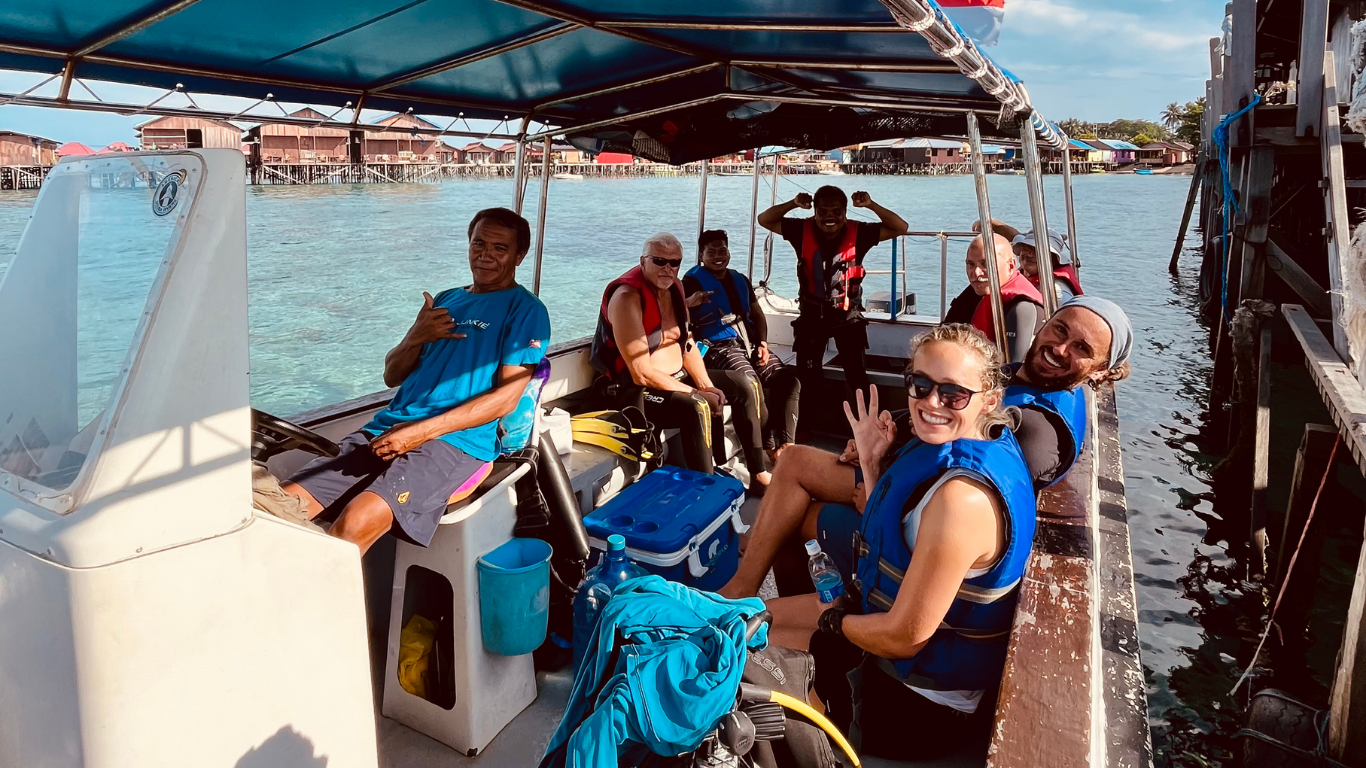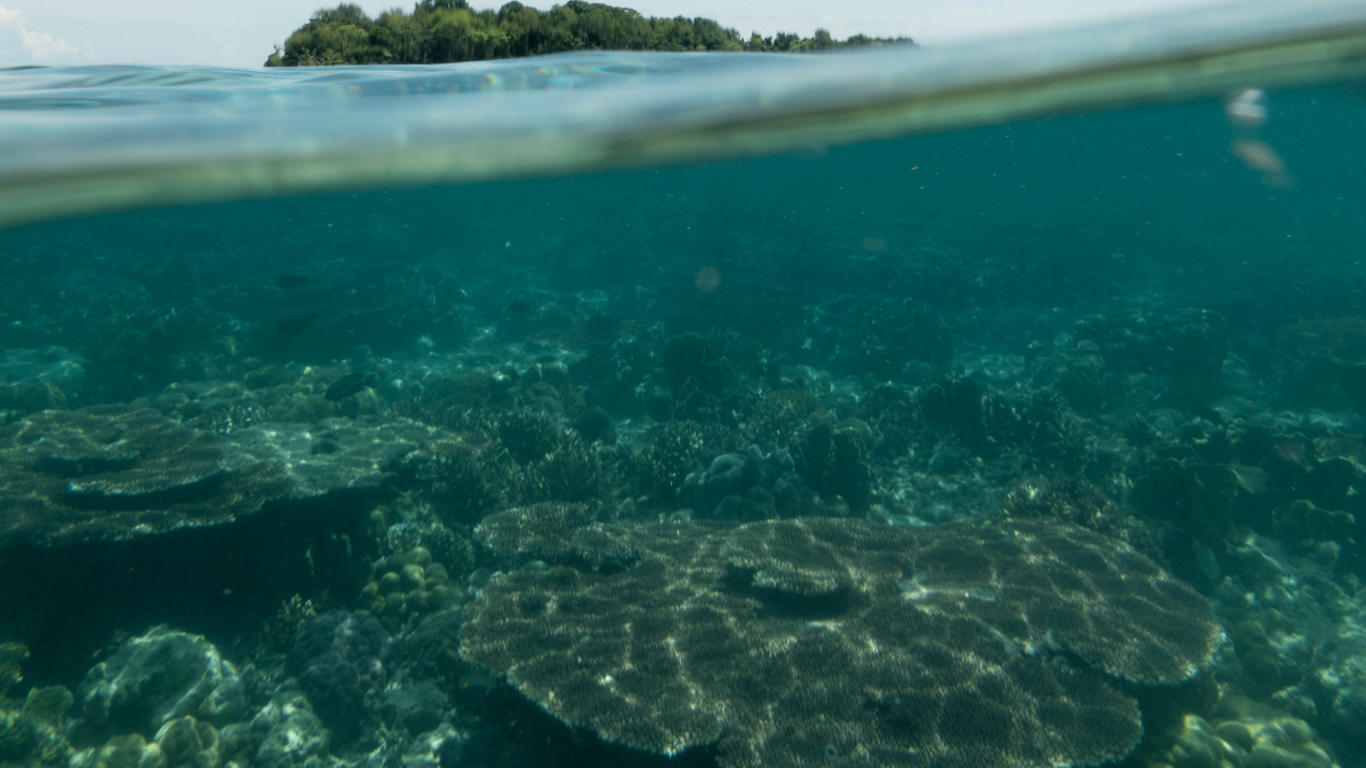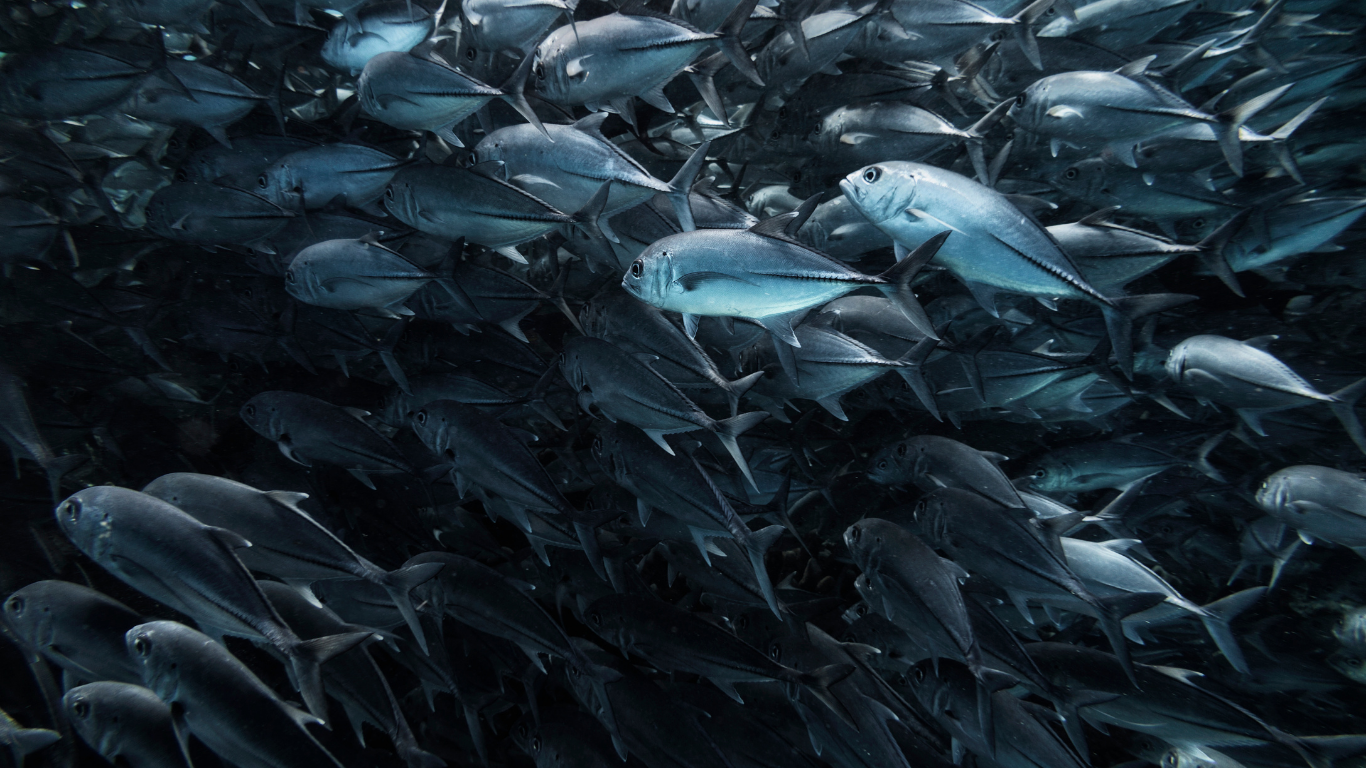
We provide daily dive trips and dive courses around the Sangalaki Marine Park.
Looking for tips and tricks about diving, marine life or what to do in Borneo? Follow us on our blog for weekly updates from the team!



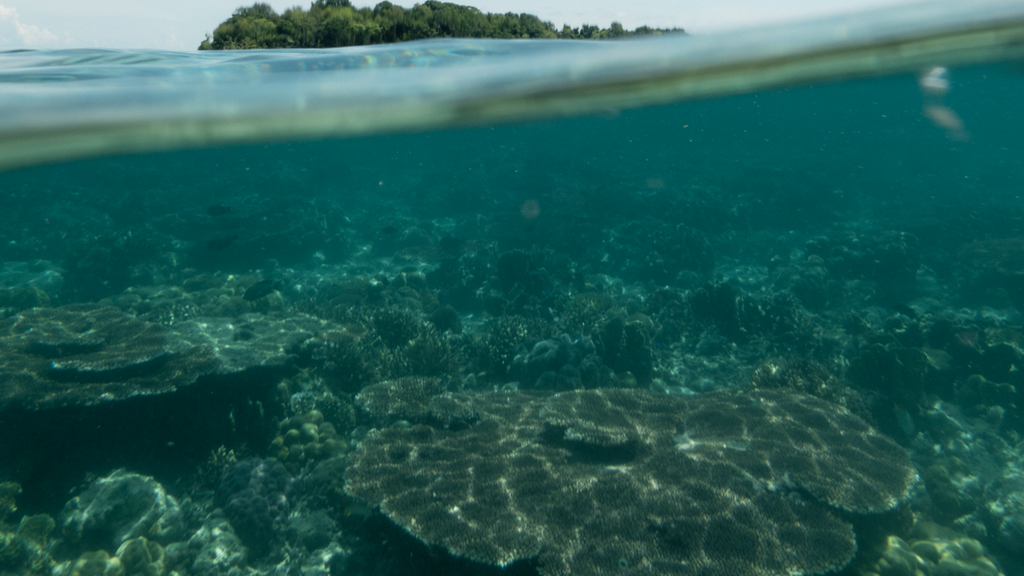
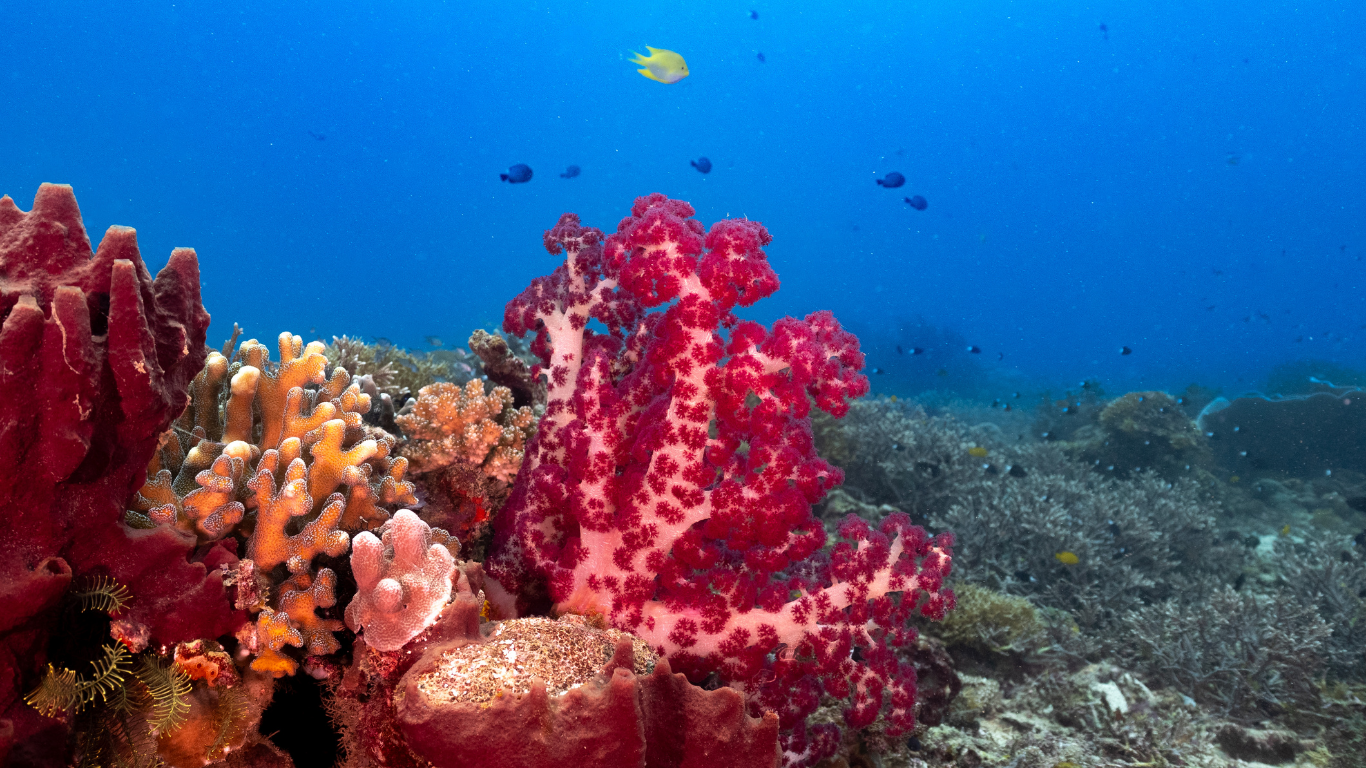
There is a particular feeling that comes with travelling to a remote island. The roads disappear, the boat ride gets longer and the noise of everyday life becomes quieter. By the time a diver rolls into clear water above a healthy reef, it can seem as though the outside world has been left behind.
That feeling is one of the reasons people travel to the Derawan Archipelago. The distance is part of the experience. So are the small communities, the pace of island life and the possibility of diving without many other groups in the water.
But remote does not mean protected. A reef can be far from a large city and still be connected to every change happening across the ocean.
Some local pressures are easier to see in heavily visited places: busy boat traffic, crowds at entry points, damaged coral and wildlife surrounded by swimmers. When those signs are absent, it is natural to assume that a remote reef is untouched.
Distance can help. Fewer visitors may mean less direct pressure, and limited coastal development can reduce some forms of pollution. Yet a reef’s appearance on one beautiful day does not tell its entire story. Coral ecosystems are shaped by water quality, temperature, fishing activity, weather, tourism practices and the health of connected habitats.
The sea does not recognise the boundaries that look so clear on a map.
The United Nations Environment Programme identifies climate change as the largest global threat to coral reefs. It also highlights local pressures such as pollution, sediment and nutrients entering the water, overfishing and destructive fishing practices.
Remote locations are not separated from these forces. Warmer water can reach a reef whether the nearest airport is ten minutes away or several hours away. Marine debris can travel long distances. Fish populations move between habitats, and changes in one part of an ecosystem can affect another.
This is why clear water should not make us complacent. A reef may look magnificent and still benefit from active care.
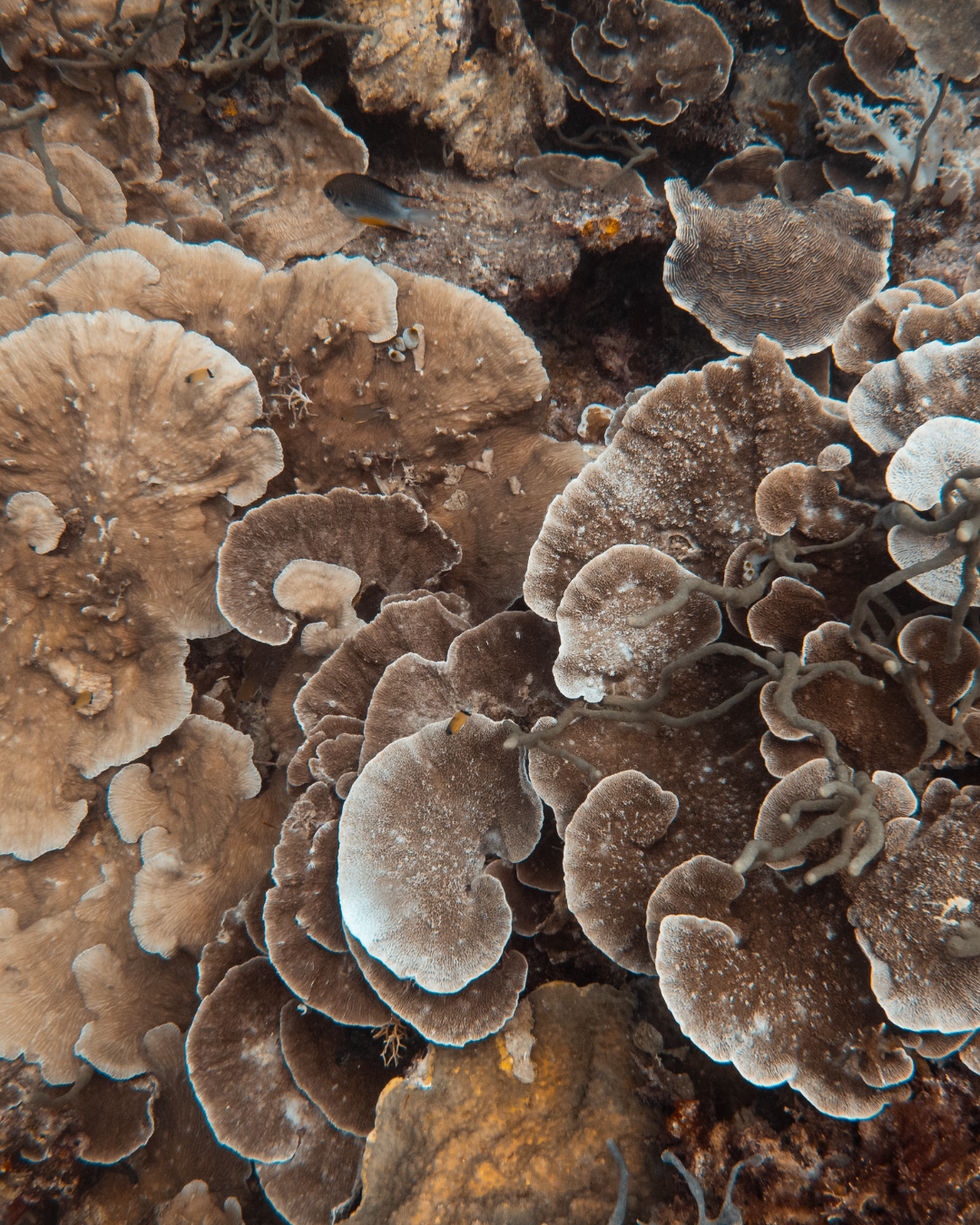
Conservation is often discussed in response to visible damage. Protection is more effective when it also supports places that remain healthy.
Local knowledge matters here. People who live and work around an island see patterns that a short-term visitor cannot. They notice changes in seasons, sightings, currents and human activity. Dive teams spend repeated days in the water and can recognise when a familiar site behaves differently.
This kind of observation does not replace scientific research, but it can support it. Recording sightings, sharing photographs for identification projects and reporting unusual conditions can turn ordinary dive days into useful information.
At Scuba Junkie Sangalaki, shark and ray sightings are logged and manta photographs can contribute to identification work. A manta encounter is still an extraordinary moment for a guest, but the image may also become part of a much longer conservation story.
Tourism is not automatically good or bad for a reef. Its impact depends on how it is managed.
Poor practices can damage the environment through careless contact, anchoring, waste, wildlife disturbance and overcrowding. Better practices can reduce those pressures while supporting local employment, environmental education and conservation activity.
Green Fins focuses on practical environmental standards for marine tourism because reducing local pressure can help reefs remain more resilient. For divers, many of the most useful actions are simple: maintain good buoyancy, avoid touching or chasing wildlife, secure equipment, follow the guide’s instructions and choose operators that treat environmental practice as everyday work.
These choices may feel small. Repeated across many dives and many visitors, they matter.
Divers often remember the largest animal from a dive, but useful observations can be much broader. A guide may record a shark or ray sighting. A clear photograph may help identify an individual manta. Changes in coral condition or unusual marine life behaviour may be noted and shared.
Citizen science works best when information is collected consistently and connected with credible projects. It also changes the way people look underwater. A diver begins to notice patterns, markings and relationships rather than simply collecting sightings.
The goal is not to turn every holiday into fieldwork. It is to recognise that enjoyment and attention can exist together.
A remote reef is not an empty wilderness. It is connected to communities whose lives, knowledge and livelihoods are tied to the sea.
Long-term protection cannot be separated from local people. Conservation becomes stronger when communities have a meaningful role, when tourism creates responsible employment and when environmental decisions respect local knowledge.
Visitors can support this by arriving with curiosity, learning about the island as well as its wildlife and understanding that the destination is somebody’s home.
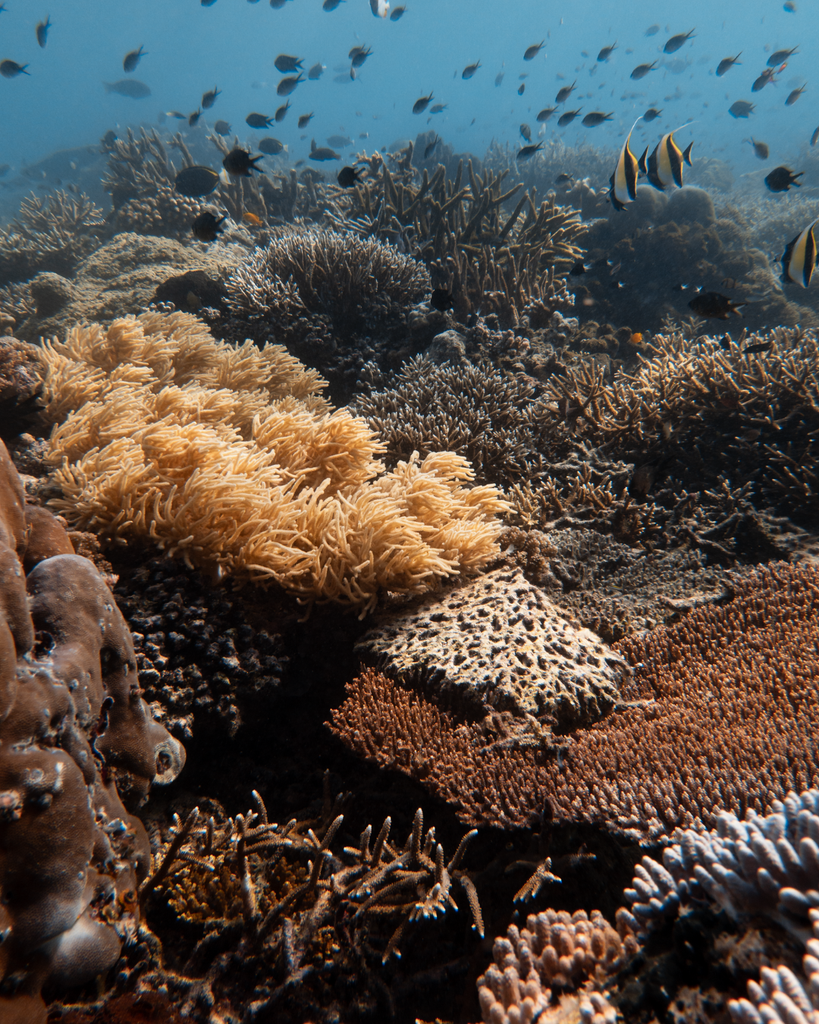
The phrase “still pristine” can unintentionally suggest that protection is not urgent. In reality, a healthy reef is a reason to act now.
Careful tourism, monitoring, education and local participation help maintain the conditions that make a place special. None of these actions offers a perfect shield against global change. Together, they can reduce avoidable local pressure and give an ecosystem more room to cope.
The hopeful part of this story is simple: there is still so much worth protecting.
No. Some may experience less direct tourism or development pressure, but they remain connected to global and regional changes in the ocean.
Practise good buoyancy, avoid touching coral or wildlife, keep equipment secured, follow local guidance, reduce waste and choose responsible operators.
Sometimes. Clear photographs of manta rays and other individually recognisable animals may support identification databases when submitted through the appropriate project.
People who spend years around the same islands and dive sites can observe seasonal patterns and changes that a short visit may not reveal.
Any visit has an impact, but thoughtful management and responsible behaviour can reduce it. Tourism can also support local livelihoods, education and conservation activity.
A remote journey can make the ocean feel far from ordinary life. In reality, it reminds us how connected everything is.
Come for the clear water, the reefs and the chance to spend time in the rhythm of an island. Leave with a deeper understanding that distance alone cannot protect any place. People do that, through attention, collaboration and thousands of careful choices.