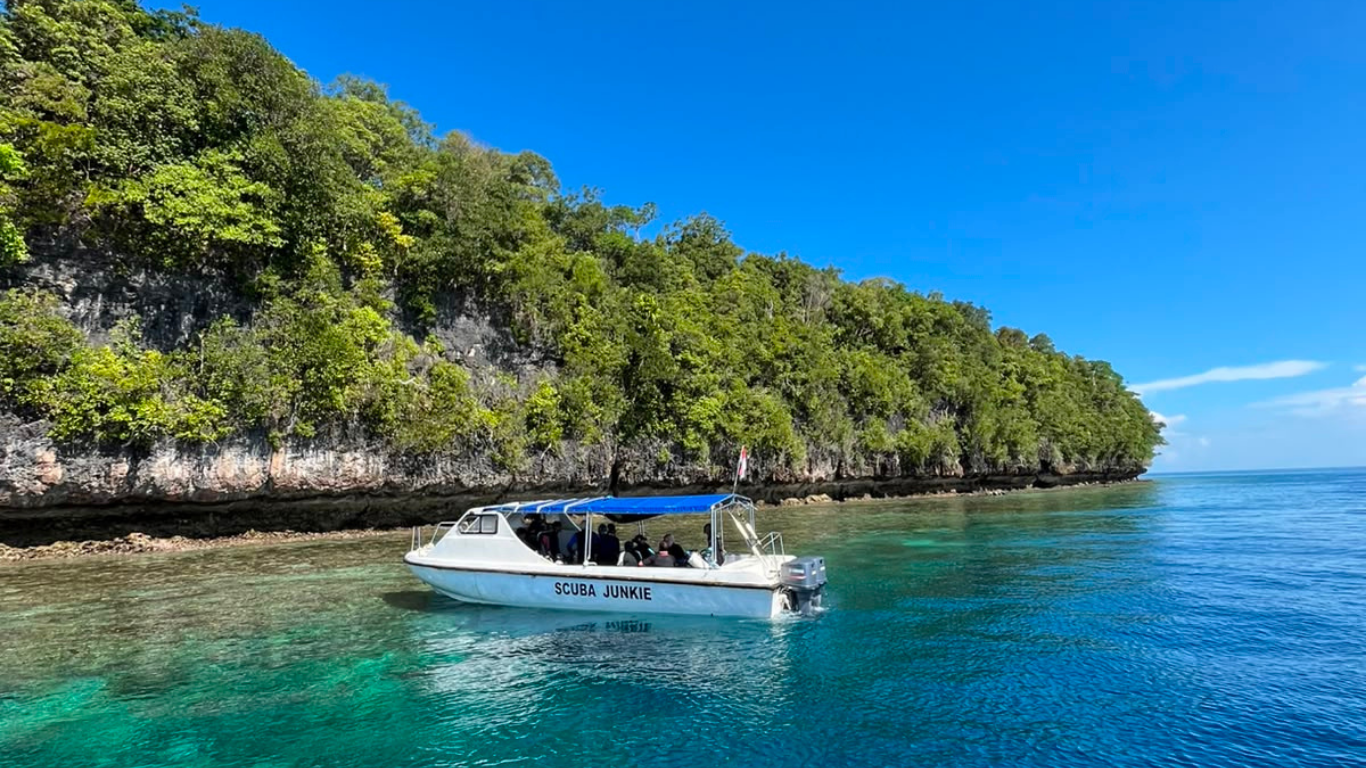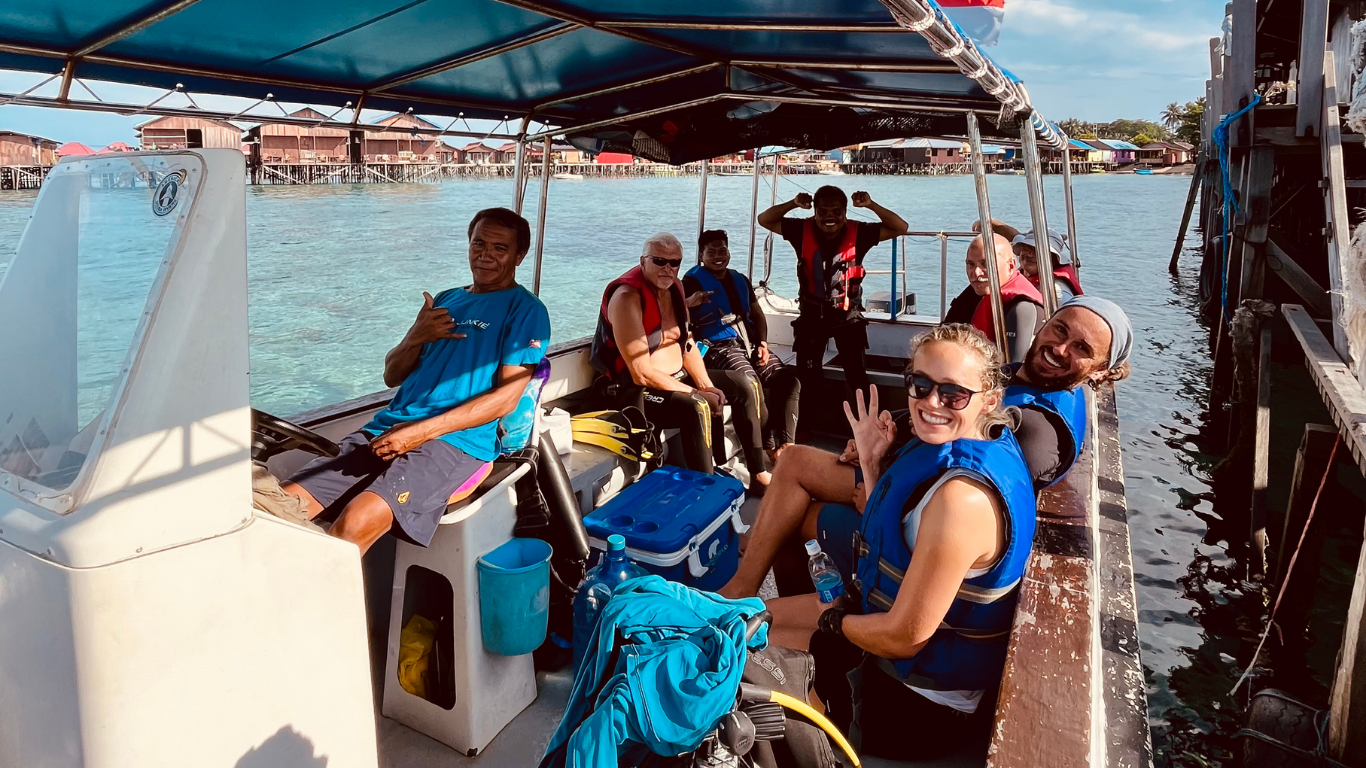
We provide daily dive trips and dive courses around the Sangalaki Marine Park.
Looking for tips and tricks about diving, marine life or what to do in Borneo? Follow us on our blog for weekly updates from the team!




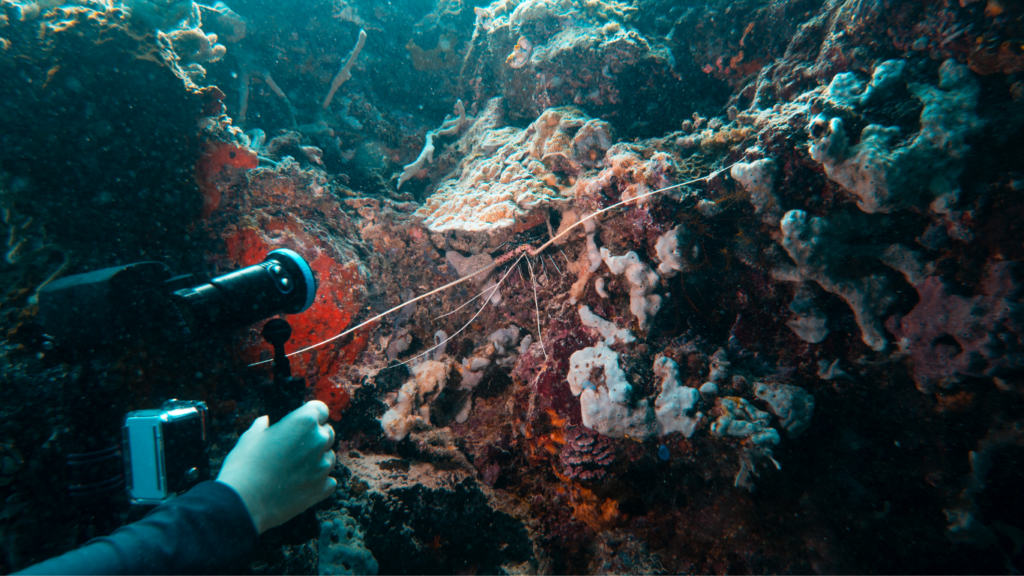
In recent years, underwater photography has become a big part of diving. Cameras are smaller, better, and more accessible than ever.
But there’s something many divers overlook.
Diving buoyancy control is far more important than any camera you bring underwater. It shapes how you move, how you interact with marine life, and how you experience every single dive.
And the truth is simple. A diver with good buoyancy will always have better dives than a diver with a great camera but poor control.
Diving buoyancy control is your ability to stay neutrally balanced in the water without sinking or floating uncontrollably.
When your buoyancy is right, you:
It may sound basic, but mastering this skill takes time and awareness.
Bringing a camera underwater changes your focus.
Instead of observing your surroundings, you start chasing shots. You move closer, adjust angles, and sometimes forget your position in the water.
Without proper diving buoyancy control, this can lead to:
Ironically, the better your buoyancy, the better your photos. Stability is what allows you to compose calmly and wait for the right moment.
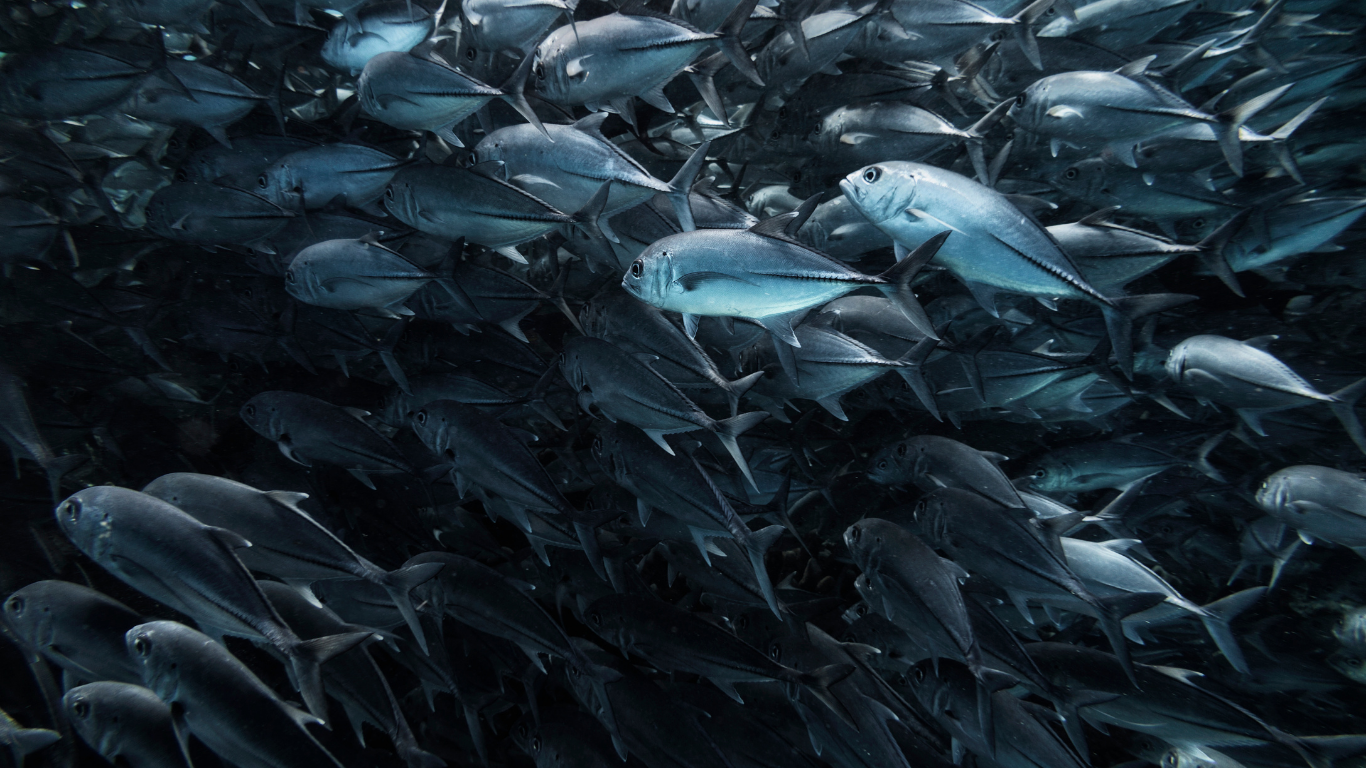
Marine life reacts to movement.
Divers with poor buoyancy tend to:
This often causes animals to swim away.
Divers with good diving buoyancy control:
This is especially noticeable in places like the Derawan Archipelago, where encounters feel more relaxed when divers are not chasing them.
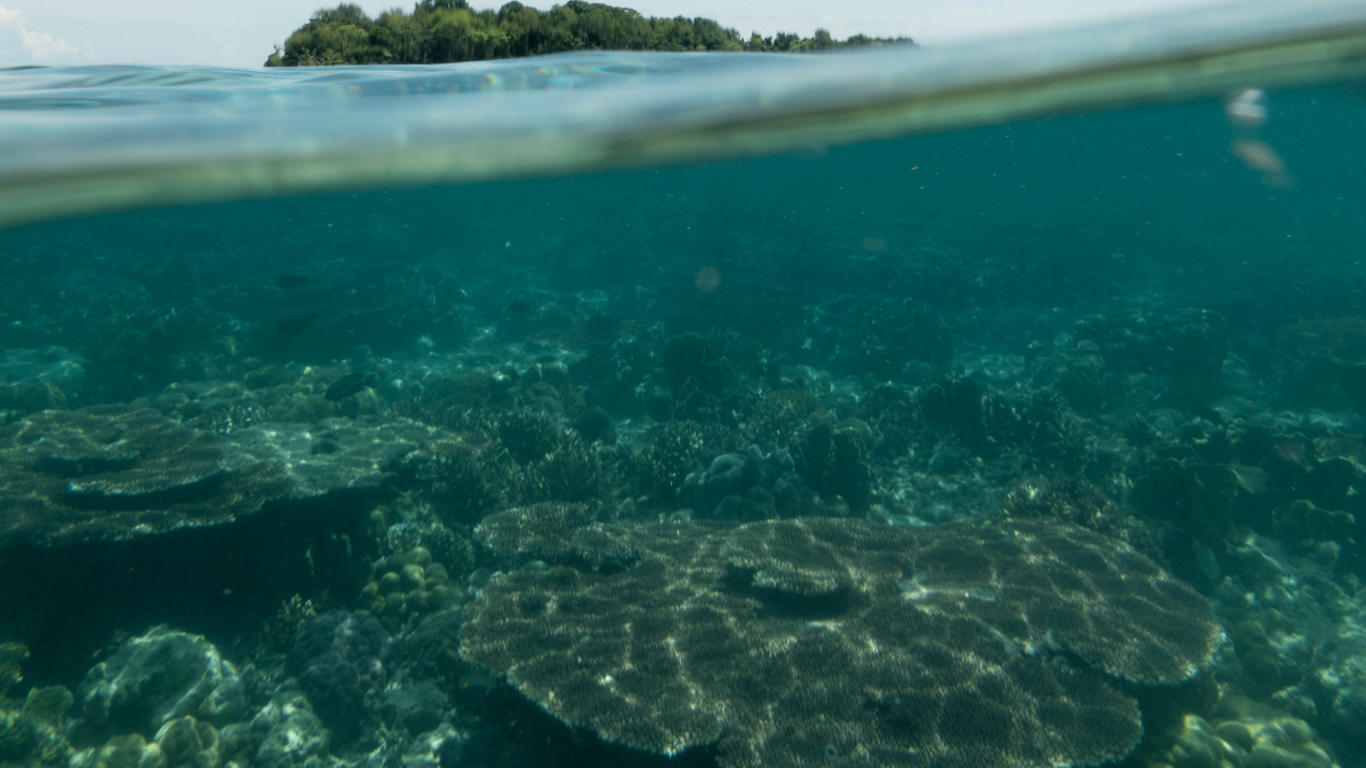
Coral reefs are fragile.
A single misplaced fin kick or accidental contact can cause damage that takes years to recover. Most of this damage is not intentional. It comes from lack of awareness.
Good diving buoyancy control helps prevent:
It is one of the simplest ways divers can protect the environment.
Buoyancy also affects how much air you use.
When you are balanced:
This leads to longer dives and more enjoyable experiences.
Poor buoyancy often means constant adjustments, more effort, and faster air consumption.
In destinations like the Derawan Archipelago, diving is not about rushing from one highlight to another.
It is about:
Good diving buoyancy control allows you to fully enjoy this style of diving. You are not chasing the dive. You are part of it.
Improving buoyancy does not require advanced training. It requires awareness and practice.
Start with:
Small adjustments make a big difference over time.
There is nothing wrong with bringing a camera. It can enhance your experience and help you remember your dives.
But the priority should always come first.
Master your buoyancy. Then add the camera.
Divers who focus on diving buoyancy control often find that everything else improves naturally:
It is easy to focus on equipment. Cameras, lenses, lights.
But the most important tool you have underwater is your own control.
Diving buoyancy control is what turns a dive from good to great. It protects the reef, improves your experience, and allows you to connect with the underwater world in a more natural way.
And in places like Derawan, that makes all the difference. If you have any questions, ask your dive guide for tips, they will be more than happy to help you.