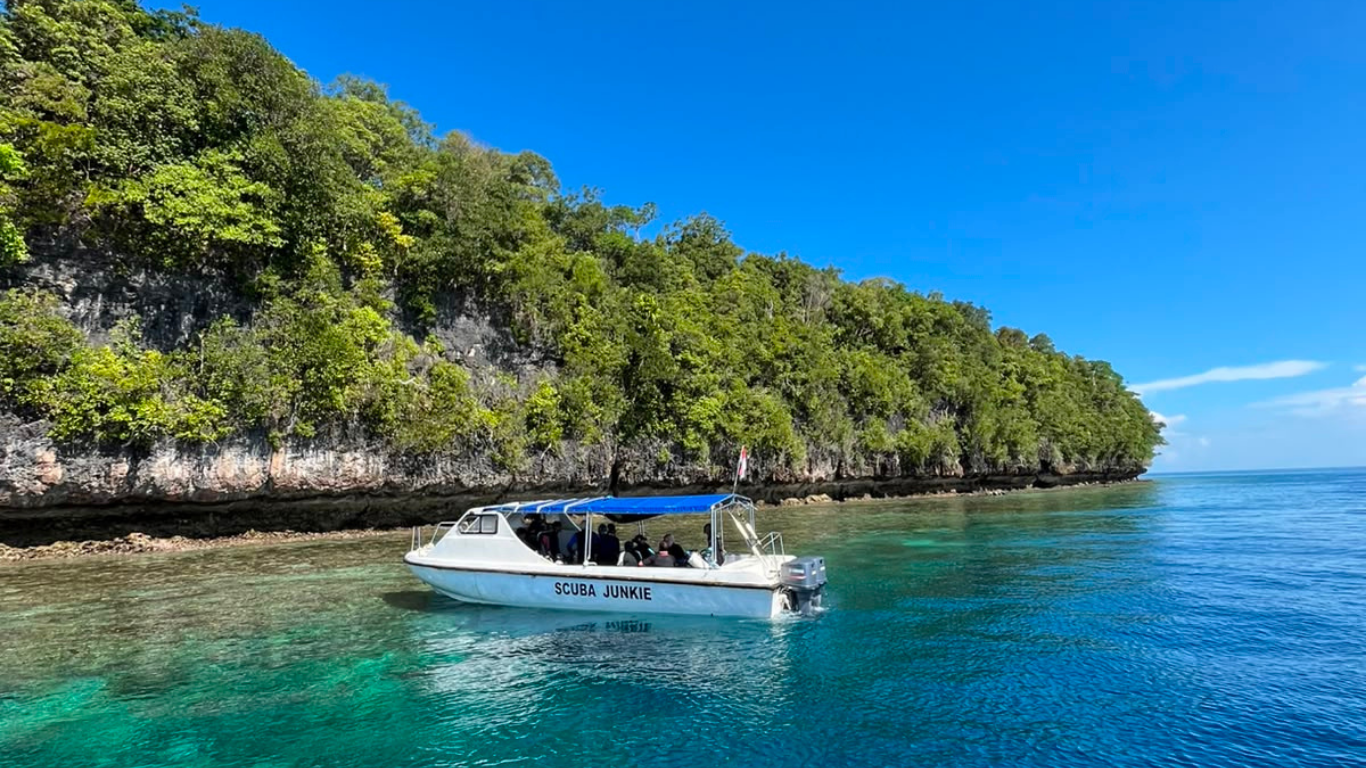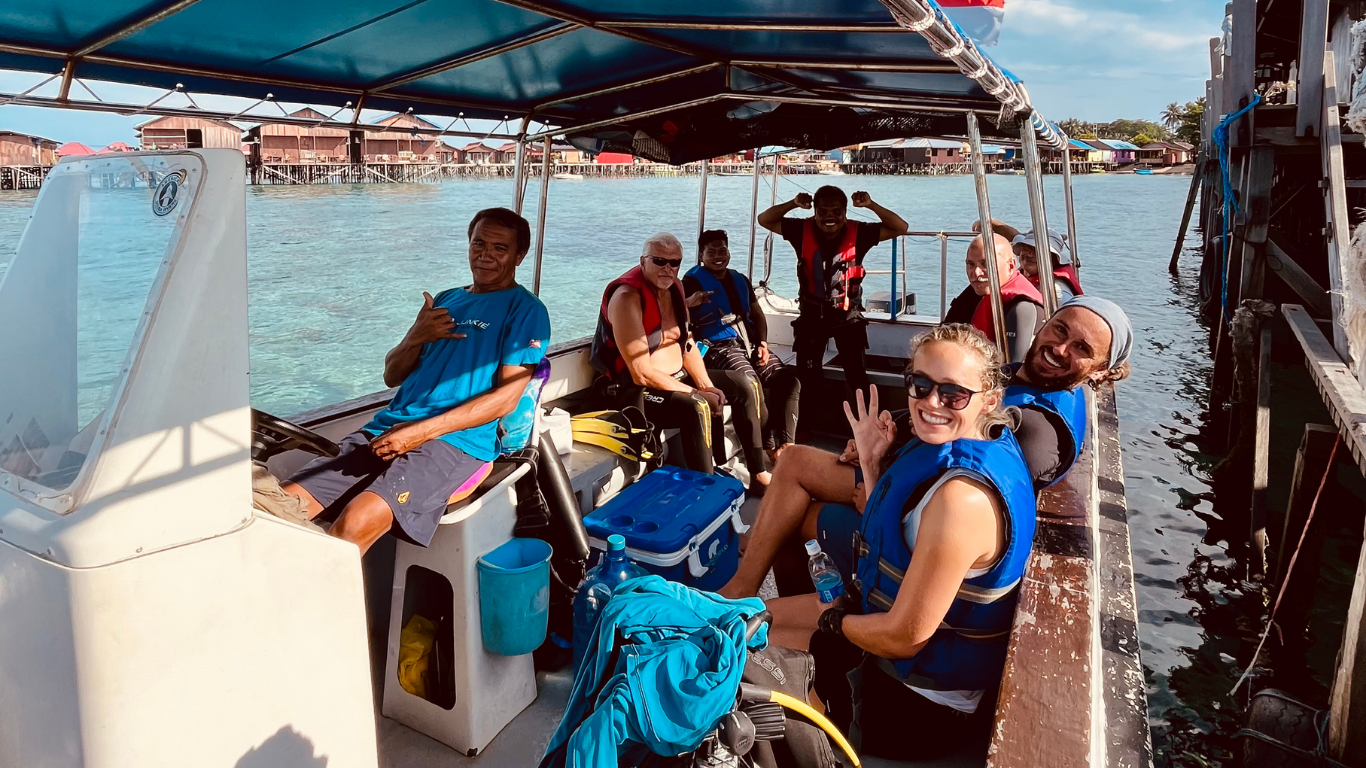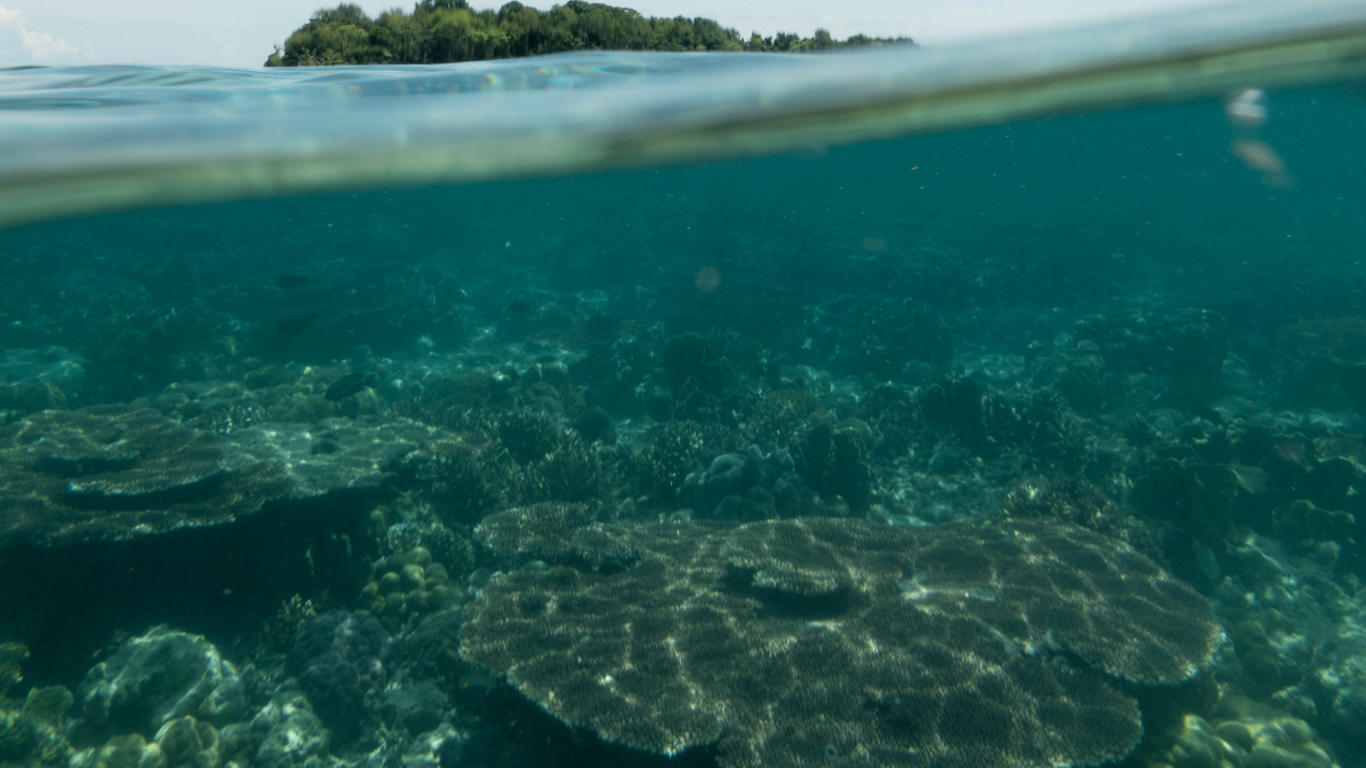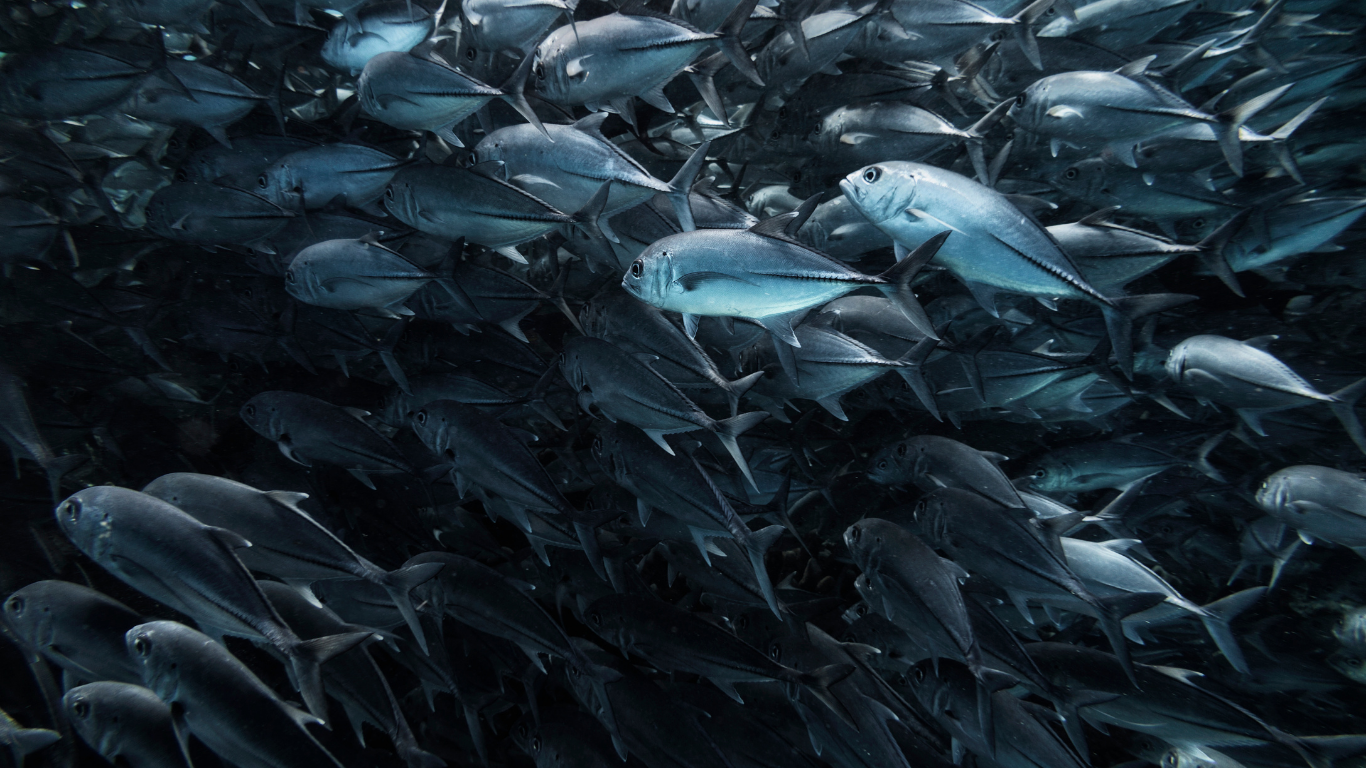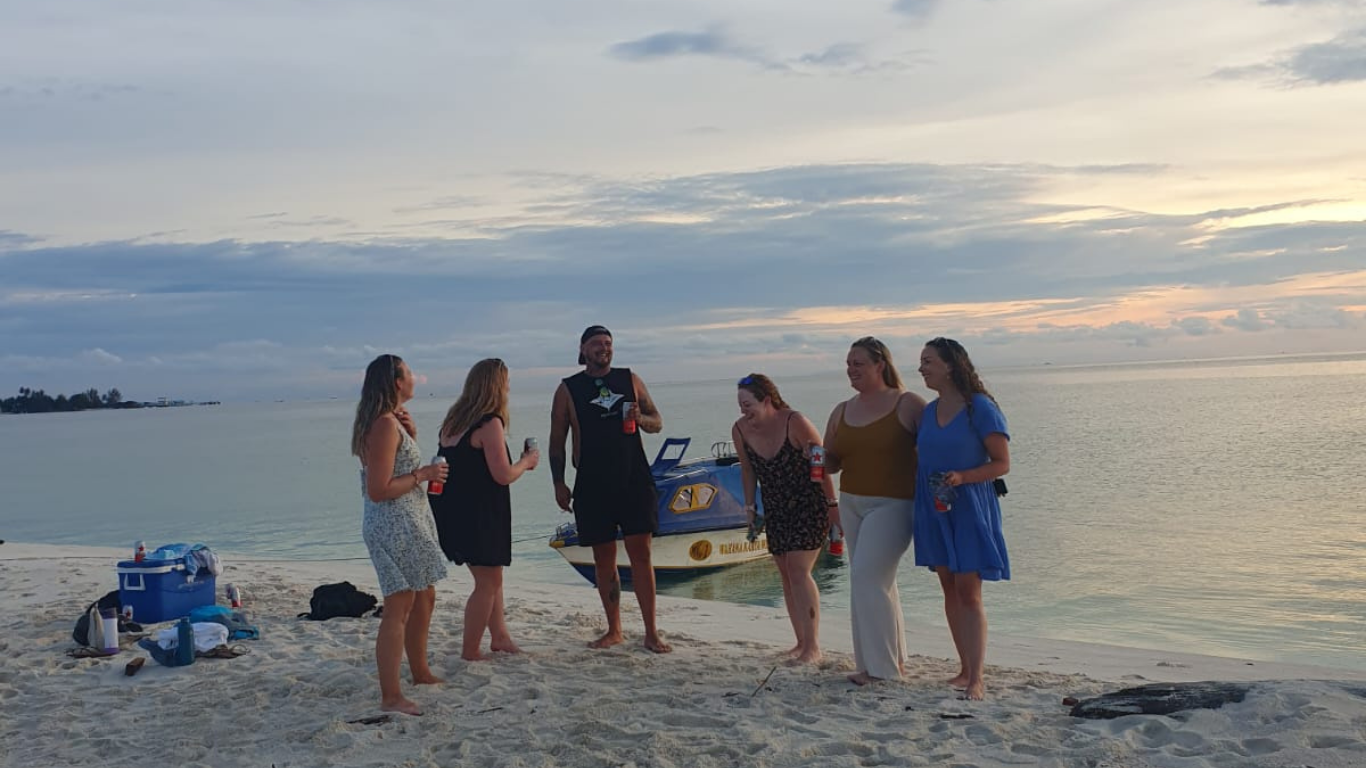
We provide daily dive trips and dive courses around the Sangalaki Marine Park.
Looking for tips and tricks about diving, marine life or what to do in Borneo? Follow us on our blog for weekly updates from the team!



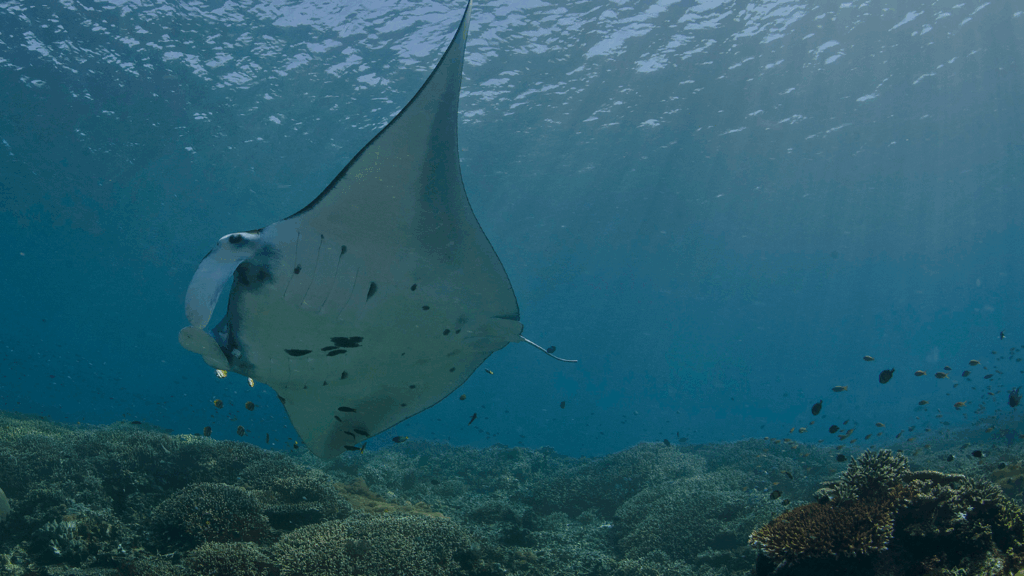
Manta Rays In Sangalaki-
If you’ve ever dived with a manta, you know it’s unforgettable. Their vast wingspans, the effortless glide, the feeling of being close to something both powerful and gentle—it leaves you humbled. This 17th of September, we celebrate World Manta Day, a reminder that these incredible animals still need our help. Let’s dive into the world of mantas, explore their importance, and discover how we can protect them together.
Manta rays belong to the genus Mobula and are related to stingrays and sharks. There are two main species:
These gentle filter-feeders live on a diet of plankton, krill, and small fish larvae. They feed by swimming with their mouths open, filtering the water through special plates called gill rakers. On good days, you might see dozens of them gliding together in feeding chains, creating a scene that feels more like a ballet than biology.
Mantas play an essential role in the balance of marine ecosystems. By feeding on plankton, they help regulate these tiny organisms, which form the base of the ocean’s food web. Their movements between feeding grounds also help cycle nutrients across ecosystems, linking shallow coral reefs to deeper ocean environments.
Equally important, mantas act as ambassadors of the sea. Their charisma draws people into diving and marine conservation. In places like Sangalaki, mantas provide jobs, education, and a strong argument for why healthy oceans matter—not just for biodiversity, but also for communities.
Sadly, manta rays are now listed as vulnerable to extinction by the IUCN. Their populations are decreasing worldwide due to:
In Sangalaki, divers still enjoy year-round manta sightings, but local researchers and guides know that the numbers are not what they once were. Protecting them is not optional—it’s urgent.
The Marine Megafauna Foundation (MMF) has been leading manta ray research in Indonesia since 2011, tracking movements, monitoring populations, and studying threats like plastic pollution. One of their most effective tools is MantaMatcher.org, a global photo-ID database where every manta’s unique belly pattern acts like a fingerprint.
In the Derawan Archipelago, MMF’s work has expanded significantly. Between 2017 and 2019, the team logged 111 research dives during seasonal surveys. In May 2025, they launched a long-term monitoring program, already completing 145 dives this year, with 69 around Sangalaki.
Our boats often carry both divers and scientists together. During trips, MMF researchers share their knowledge with guests—teaching how to take ID photographs and why these images matter. Every photo uploaded helps track individuals across years and oceans, turning divers into contributors to science. It means that every time you dive with us, you’re part of this global effort to protect mantas.
The results so far are impressive. According to Rahvania, one of MMF’s scientists based in Derawan:
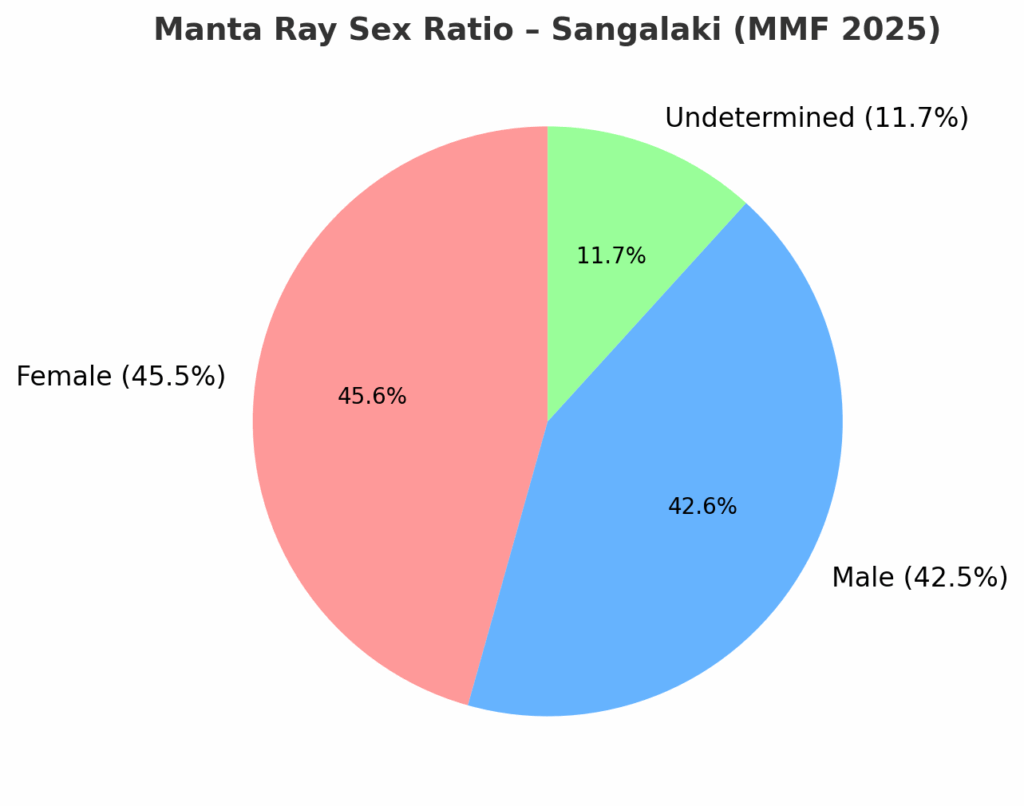
These findings confirm what divers often sense instinctively: Sangalaki is more than just a dive site—it’s a critical habitat where mantas feed, clean, and reproduce.
It’s not all bad news. Where mantas are well protected, populations can recover.
In Raja Ampat, strict marine protected areas have led to a documented 10.7% annual increase in reef manta populations between 2009 and 2019. In Komodo National Park, manta tourism has become a sustainable industry, proving that live mantas are far more valuable to communities than any short-term gain from fishing.
These cases show us what’s possible in Sangalaki and beyond—when science, community, and tourism align.
Not everyone can dive with mantas, but everyone can help them:
There’s a reason why manta rays in Sangalaki are iconic. Few places in the world offer year-round encounters in such a pristine, uncrowded setting. When a manta swoops overhead at Manta Run or circles curiously at a cleaning station, you don’t just see wildlife—you feel connected to something bigger.
World Manta Day reminds us that this connection comes with responsibility. By diving respectfully, supporting research, and spreading the word, we can ensure that these moments remain possible for future generations.
A New Chapter for Manta Science
Just when we think we know them, manta rays surprise us again. In 2020, scientists from the Marine Megafauna Foundation, working with international partners, formally described a new manta species: Mobula yarae, discovered in the Atlantic Ocean off West Africa. This remarkable finding shows us how much there is still to learn about mantas worldwide. Each new discovery adds urgency to protecting known populations, like those in Sangalaki, while reminding us that the ocean still holds mysteries waiting to be uncovered.
(Read the full MMF article here)
Mantas are more than just a dive highlight. They’re indicators of ocean health, sources of income for local communities, and a reminder of how fragile—and how resilient—our blue planet can be.
On September 17th, celebrate World Manta Day with us by learning, sharing, and supporting manta conservation. Whether you’re in the water at Sangalaki or reading this from home, you’re part of the story.