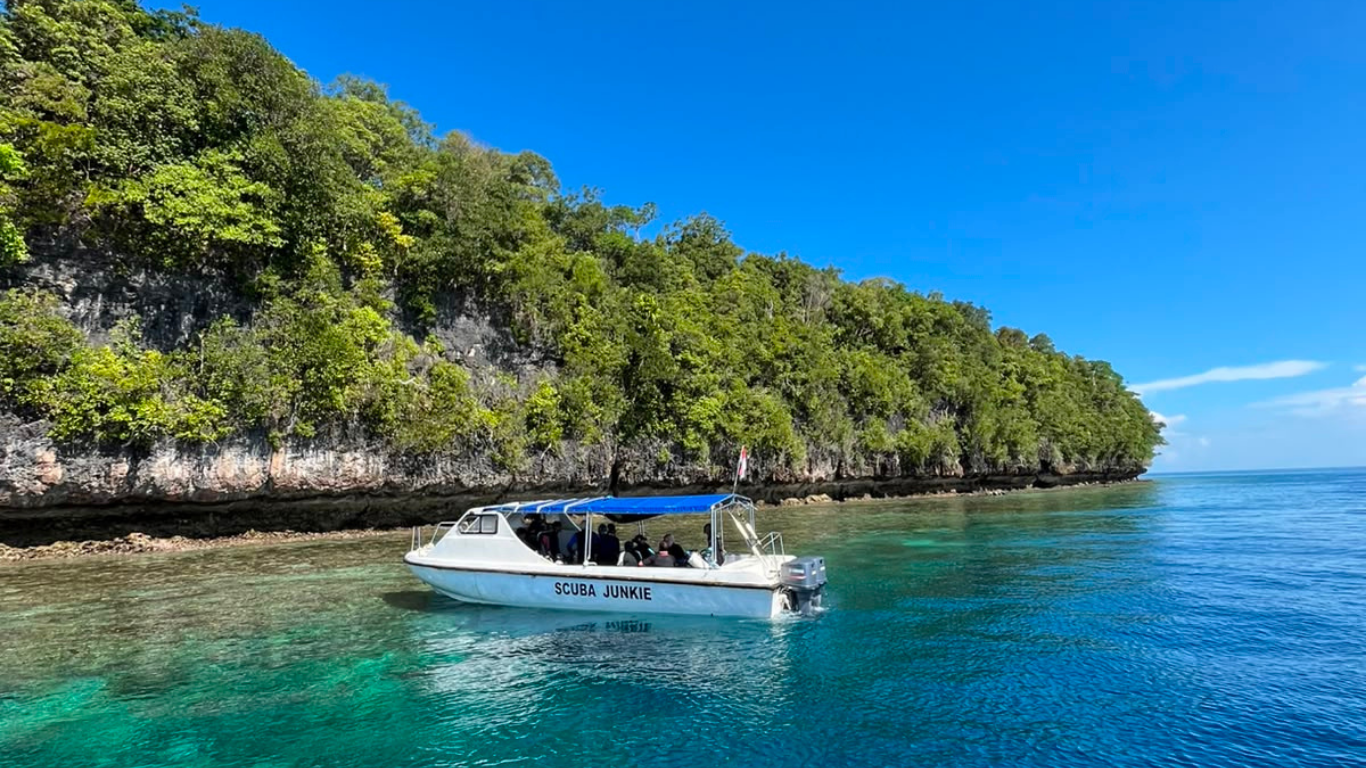
We provide daily dive trips and dive courses around the Sangalaki Marine Park.
Looking for tips and tricks about diving, marine life or what to do in Borneo? Follow us on our blog for weekly updates from the team!






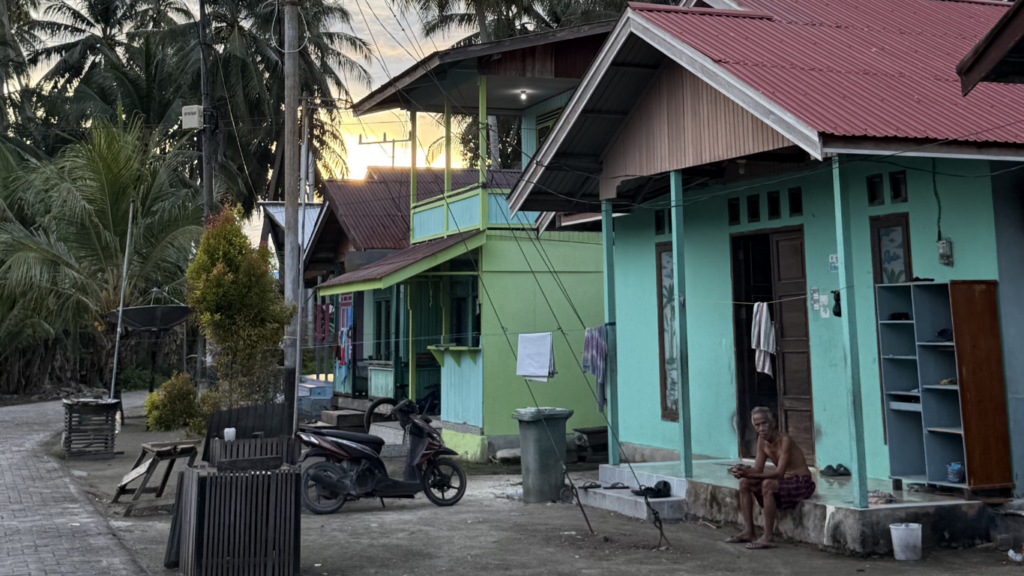
The first few days in Derawan are usually about the obvious things.
The boat rides. The reefs. The turtles. The excitement of finally arriving after such a long journey.
But after a while, something changes.
The bigger moments stop demanding all your attention, and you begin noticing smaller things instead. Quiet things. The kind of details that would probably sound unimportant anywhere else, but somehow become part of the experience here.
That is often when life in Derawan starts feeling real.
Most guests arrive with busy minds.
Flights, connections, transfers, packing lists, camera gear, dive plans. The journey to the Derawan Archipelago takes time, and most people arrive carrying a bit of mental noise with them.
Then gradually, the island starts slowing things down.
Morning coffee lasts longer. Surface intervals become conversations instead of phone scrolling. People stop checking the time constantly. Nobody seems to be rushing anywhere.
It is not something you notice immediately. It happens quietly over several days.
And eventually, you realise your brain feels quieter too.
During the first days, guests get excited every time they see a turtle.
And honestly, that excitement never fully disappears.
But after spending time around Derawan, turtles slowly become part of the background rhythm of the island. You see them while walking to breakfast. You spot them from the jetty during surface intervals. Sometimes they are directly underneath the water bungalows, calmly feeding on seagrass as if nobody is watching.
And they are big.
The strange thing is not only how many turtles there are, but how relaxed they seem. They move slowly, surface casually beside boats, and continue feeding even when people stop to watch them.
At some point, guests stop calling everyone over every time a turtle appears.
Not because it is less special, but because it has quietly become normal.
One of the first things many people notice about life in Derawan is that the island always has sound.
Wooden walkways creak softly at night. Small boats pass in the distance. Waves move underneath the bungalows. Early mornings begin slowly while the ocean is already awake.
At first, some guests find these sounds unusual. Then, after a few nights, they become strangely comforting.
People who live near cities often forget what natural silence actually sounds like. Derawan is not silent in the traditional sense. It is alive. The island has rhythm, movement, and small noises that become familiar surprisingly quickly.
In many dive destinations, everything revolves around getting underwater as quickly as possible.
But after a few days in Derawan, surface intervals start becoming part of the experience rather than just breaks between dives.
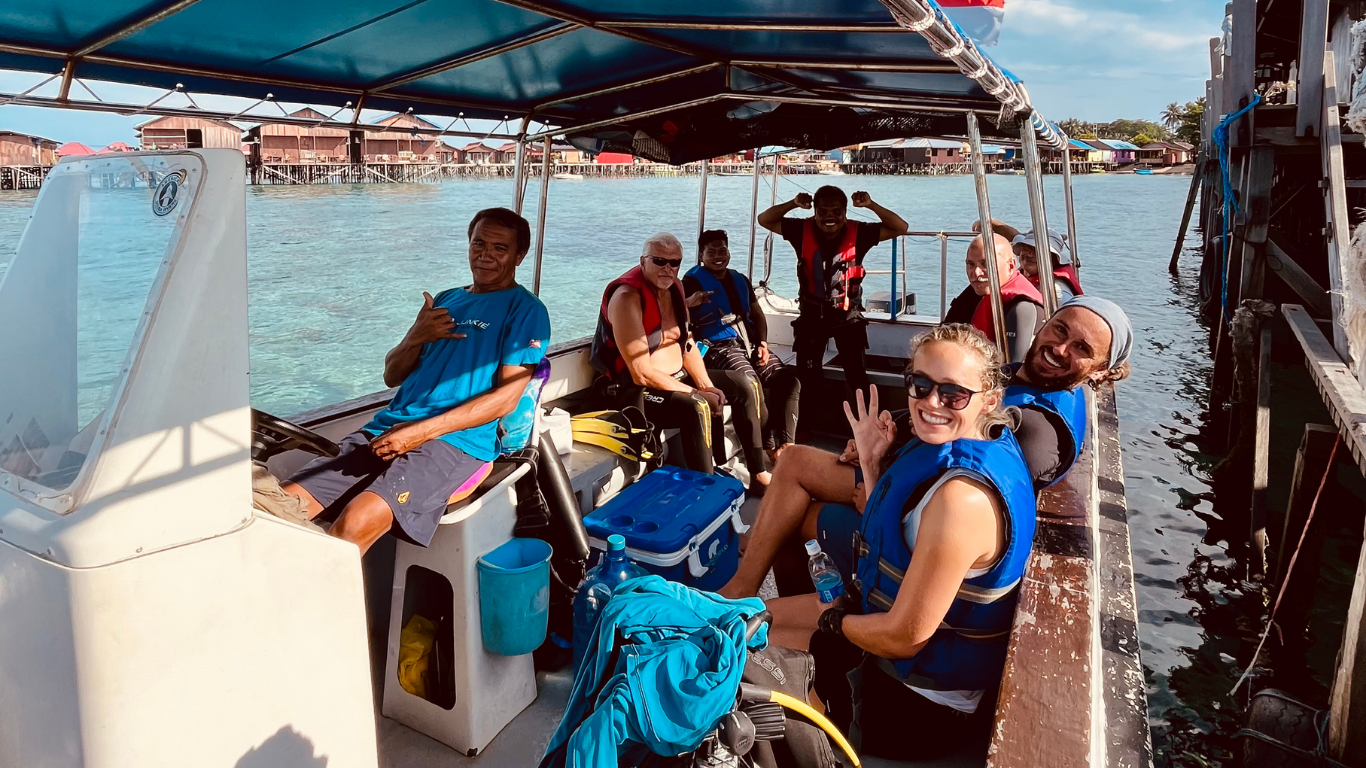
Coffee tastes better after a morning dive. Conversations become slower and longer. Divers compare sightings, laugh about failed fish photos, and quietly watch the water while waiting for the next briefing.
Sometimes the best moments happen between dives rather than during them.
That slower rhythm is part of what makes staying at Scuba Junkie Sangalaki feel different from larger, busier dive destinations.
The longer divers stay in Derawan, the less they chase big sightings.
During the first dives, everyone wants mantas, sharks, whale sharks, or turtles. And often they get them.
But after a while, people start noticing:
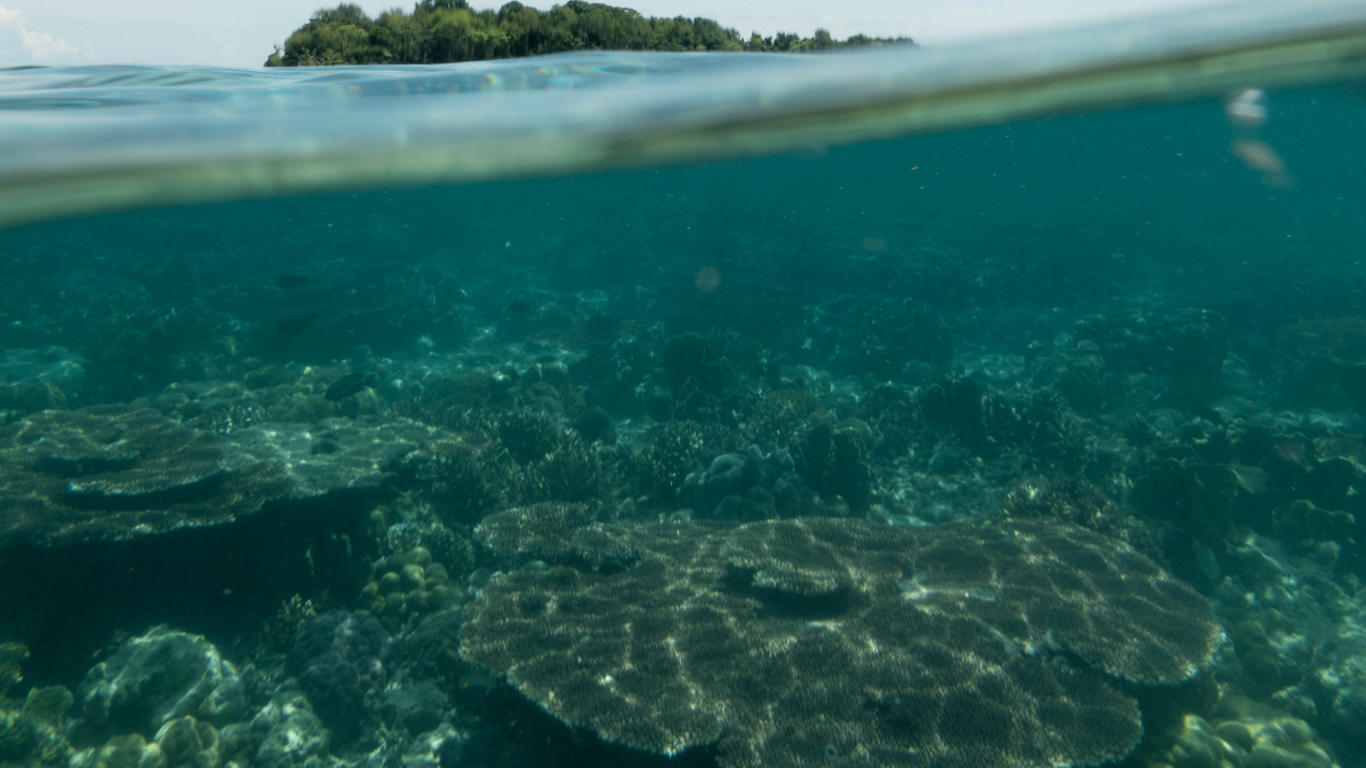
The ocean becomes less about highlights and more about observation.
That shift changes the entire diving experience.
One of the unexpected things about life in Derawan is how quickly simple routines start feeling comfortable.
Wake up. Dive. Eat. Rest. Repeat.
There is something satisfying about days becoming uncomplicated. No traffic. No schedules packed into every hour. No need to constantly decide what to do next.
The island slowly removes unnecessary noise from daily life.
And for many guests, that feeling becomes just as memorable as the diving itself.
Guests who stay only a few days usually remember the highlights.
Guests who stay longer often remember the atmosphere.
The light in the late afternoon. The sounds under the bungalow at night. The routine of morning coffee before diving. The feeling of slowly adapting to island life instead of simply visiting it.
This is often why experienced divers return to places like Derawan. Not only because of what they see underwater, but because of how the place makes them feel after enough time has passed.
Some destinations impress you immediately.
Others reveal themselves slowly.
Life in Derawan belongs to the second category. The longer you stay, the more the small details begin to matter. The turtles beneath the jetty. The calm pace of the island. The quiet conversations during surface intervals. The feeling of waking up surrounded by ocean every day.
None of these things sound dramatic on paper.
But together, they are often what people remember most.