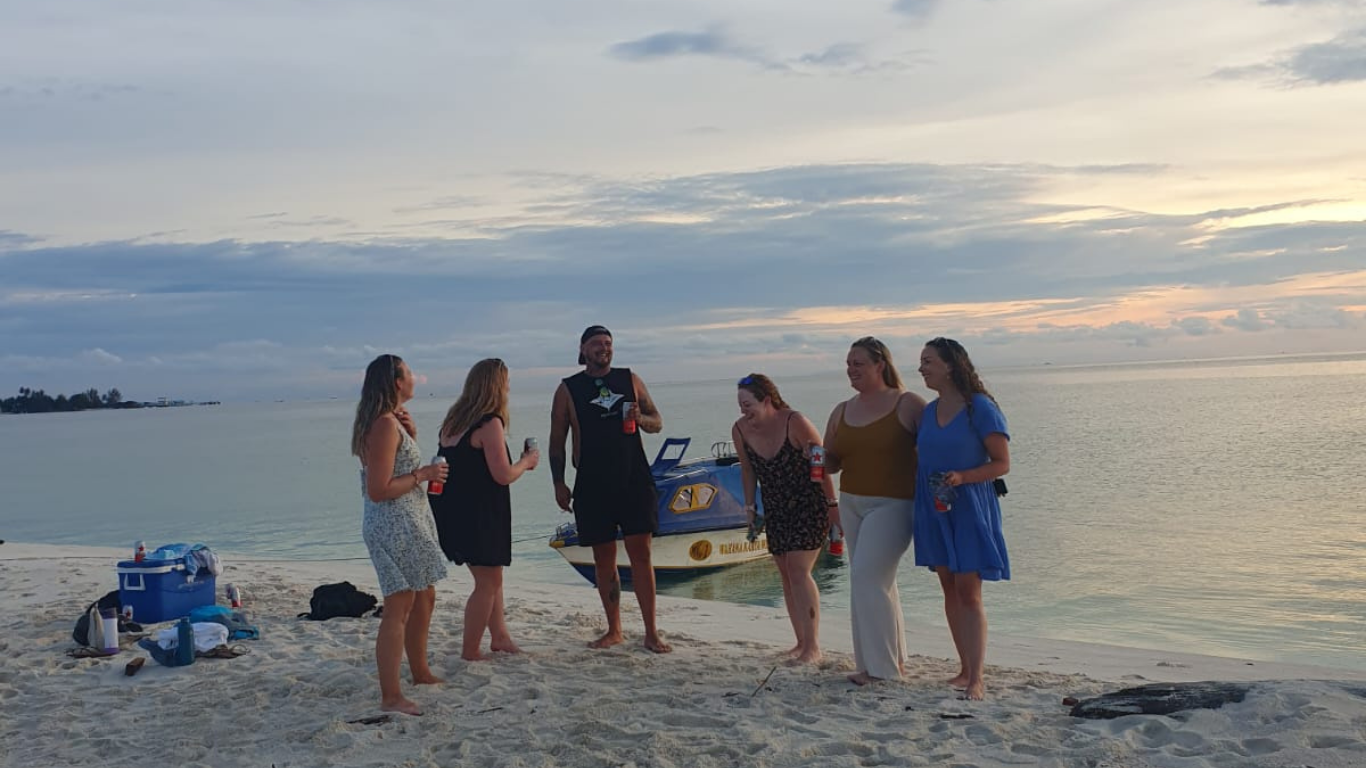
We provide daily dive trips and dive courses around the Sangalaki Marine Park.
Looking for tips and tricks about diving, marine life or what to do in Borneo? Follow us on our blog for weekly updates from the team!




Ask a new diver how they feel about current, and you’ll probably hear the same answer.
“I hope there isn’t too much.”
Ask an experienced diver, and the response is often the opposite.
“I hope there’s some current today.”
At first, that sounds strange. Why would anyone want to swim against moving water? Isn’t calm water supposed to make for an easier, more enjoyable dive?
The answer lies in understanding that the ocean is never really still. Current is not something separate from the reef. It is part of the reef. It carries food, oxygen, nutrients and life itself. Without it, many of the underwater encounters that make the Derawan Archipelago so famous would happen far less often.
The next time you hear a dive guide smile when they mention a little current, you’ll know there is usually a very good reason.
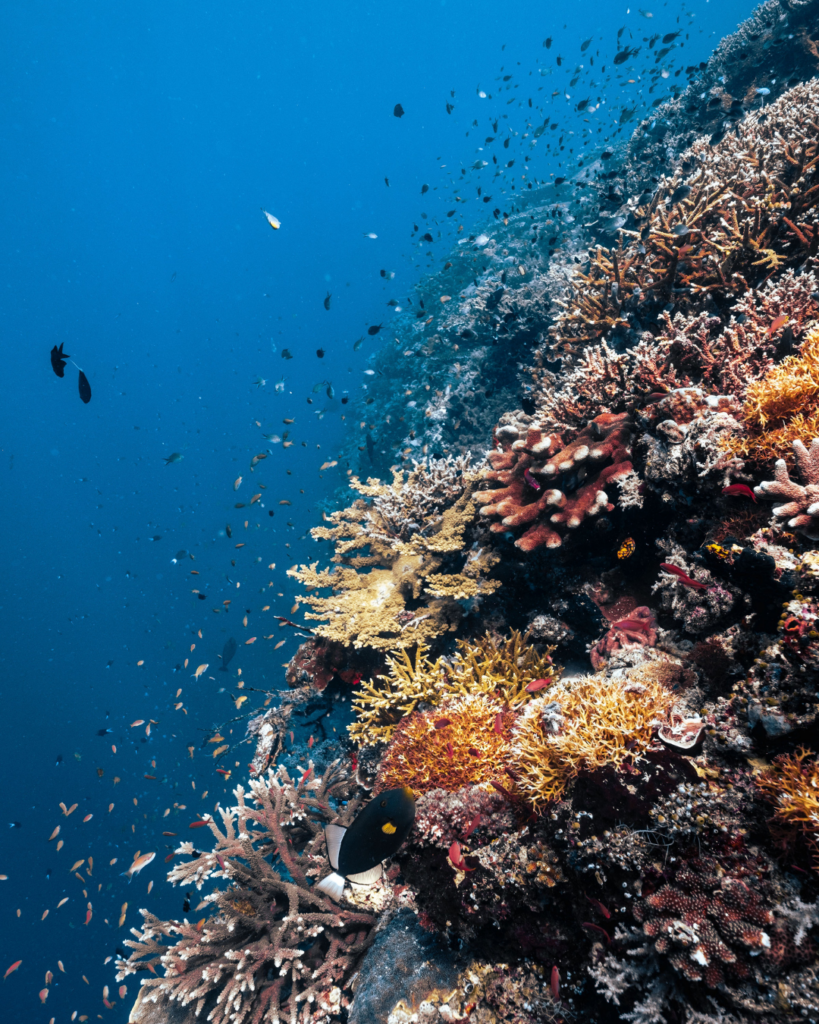
Imagine a forest where nothing ever moved. No wind. No rain. No fresh nutrients arriving from elsewhere.
Eventually, that forest would struggle.
Coral reefs work in a similar way.
Ocean currents transport microscopic plankton, larvae and nutrients across enormous distances. Every time water moves over a reef, it brings food for countless animals, from tiny filter feeders to giant manta rays.
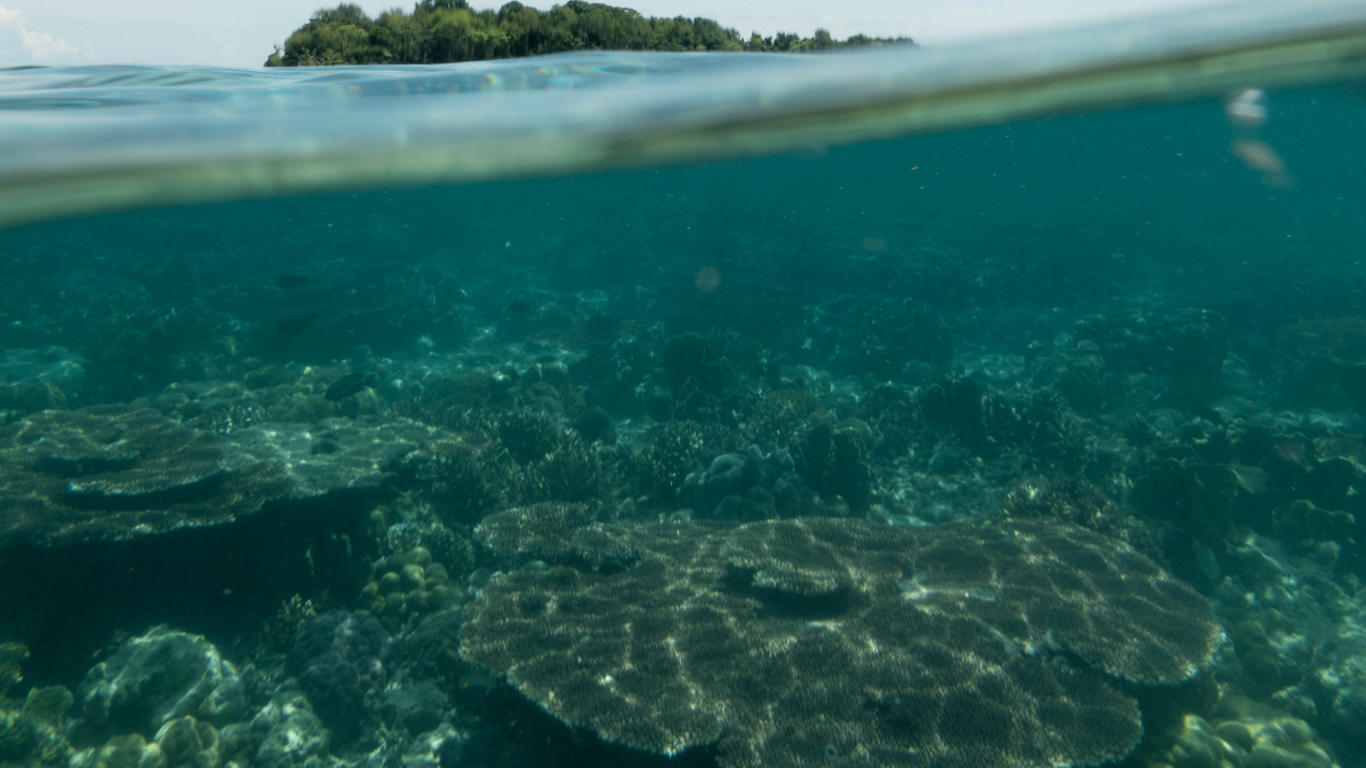
Corals themselves benefit from water movement. Current helps deliver oxygen while carrying away waste products and sediment that could otherwise settle on the reef.
It is one of the reasons healthy reefs are often found where the water is alive with movement.
Marine life has learned to use the ocean almost like we use roads.
Some animals wait where the current is strongest because they know food will come to them instead of the other way around.
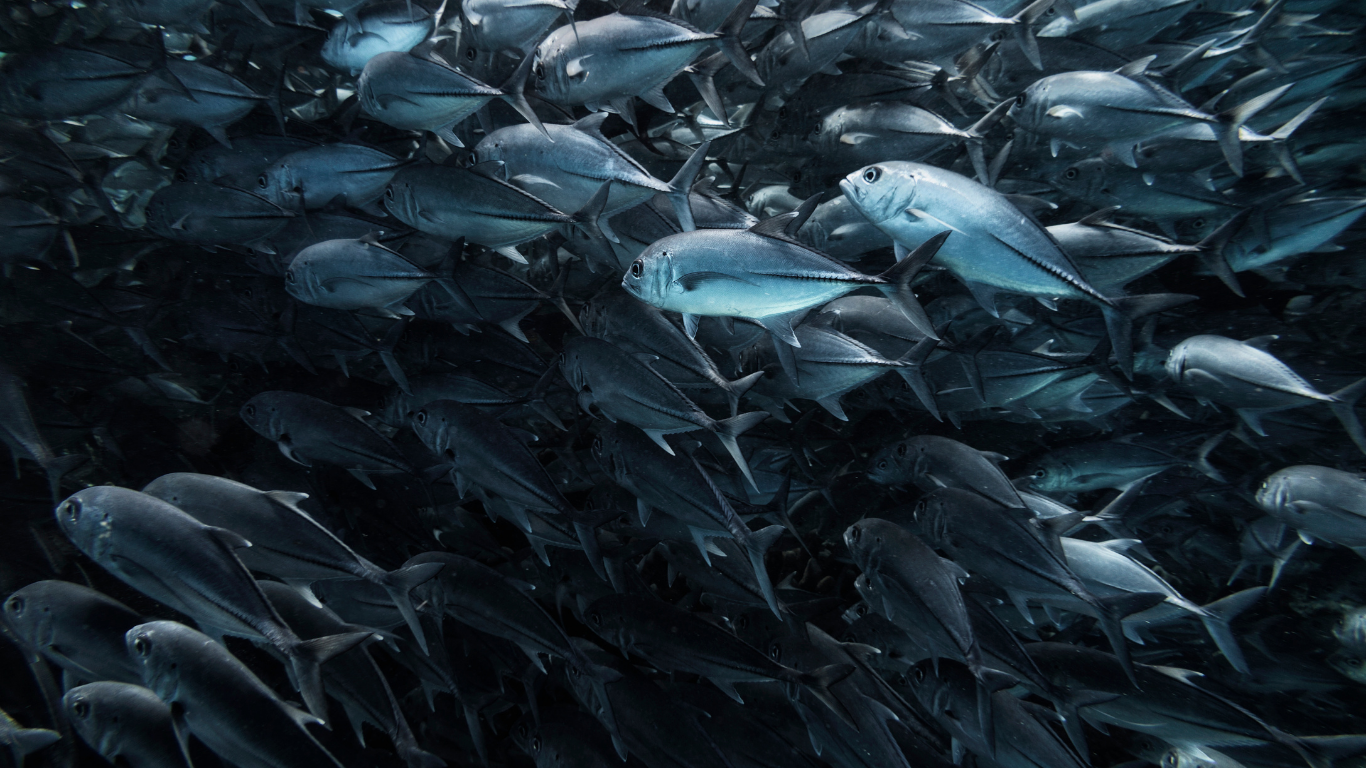
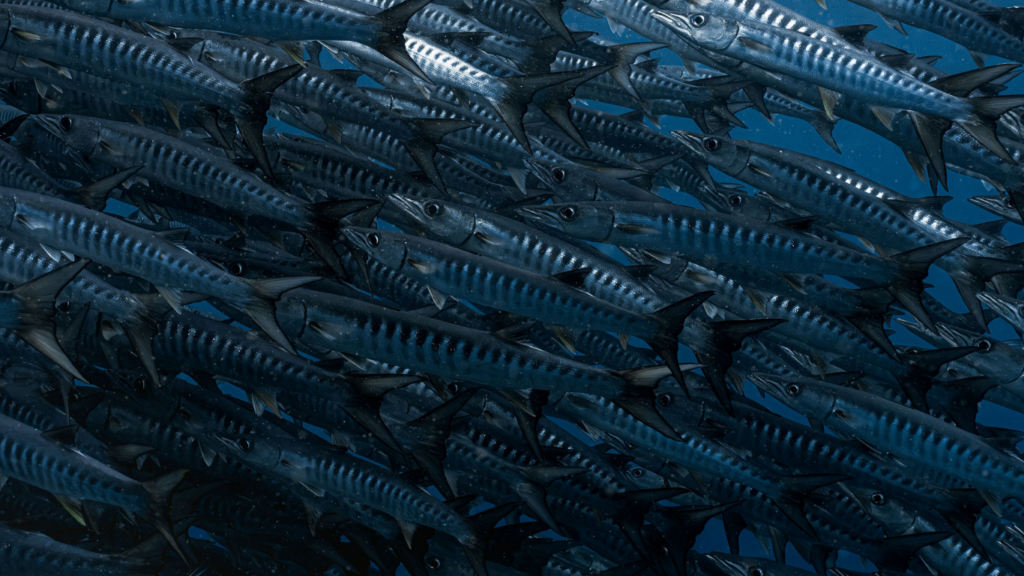
Trevallies patrol the edges of current waiting for an easy meal. Barracudas gather in schools facing into the flow. Reef sharks cruise effortlessly through moving water, using surprisingly little energy while searching for opportunities.
Even manta rays often position themselves where currents concentrate plankton, allowing them to feed more efficiently.
Rather than fighting the ocean, these animals work with it.
It is one of the greatest lessons the sea can teach.
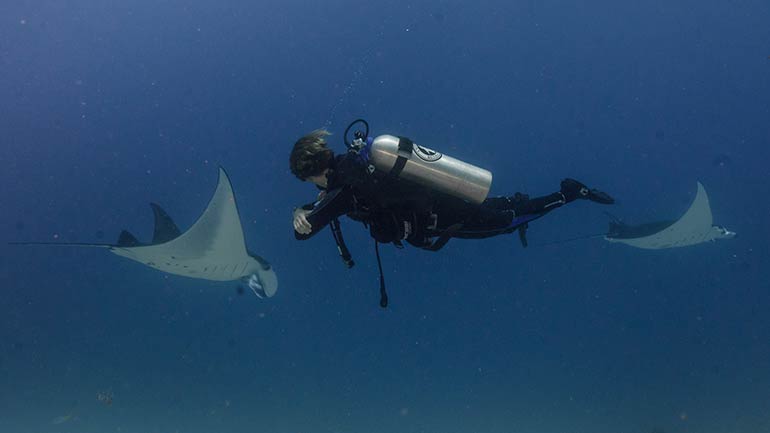
One of the reasons the Derawan Archipelago has earned its reputation among experienced divers is that the islands sit within a dynamic marine environment.
Sites around Sangalaki, Kakaban and Maratua are influenced by tides and currents that change throughout the day. Some dives begin gently before building into stronger movement. Others remain calm from start to finish.
These changing conditions create incredible diversity. A reef that feels quiet in the morning may become full of life a few hours later simply because the tide has changed.
That is why local dive guides pay so much attention to tide tables, moon phases and current predictions. Knowing when to enter the water is often just as important as knowing where.
One of the biggest misconceptions in diving is that current automatically means a difficult or exhausting dive.
In reality, many dives involve drifting gently with the water rather than swimming against it.
Good planning makes all the difference. Experienced guides choose entry points, routes and timings that allow divers to enjoy the movement safely while letting the current do much of the work.
Of course, some sites are more demanding than others, and conditions should always match a diver’s experience level. But current itself is not the enemy. Understanding it is part of becoming a better diver.
Divers often spend their first few dives looking for individual animals.
After enough time underwater, something changes.
You start looking at the water itself.
You notice the way soft corals lean in one direction. You see schools of fish holding their position effortlessly. You watch tiny particles drifting past your mask and realise they are telling you where the ocean is moving.
Eventually, you stop asking, “Where are the fish?”
Instead, you ask, “Where is the current?”
The answer is often the same.
Yes, when dives are planned according to the conditions and your level of experience. Good briefings and experienced guides make all the difference.
Swimming into the current helps sharks detect scents, locate prey and conserve energy while waiting for food to come to them.
Current concentrates plankton, making feeding more efficient for manta rays.
No. Conditions vary between islands, dive sites, tides and weather. Some dives are calm, while others experience stronger water movement.
Not necessarily. Many gentle drift dives are suitable for newer divers, while stronger currents are better left until you have more experience.
They combine tide tables, local knowledge, weather conditions and years of experience diving the same sites.
Current is often misunderstood.
Many divers see moving water as something to overcome, when in reality it is one of the reasons reefs are so vibrant in the first place.
The next time you enter the water in the Derawan Archipelago, take a moment to look beyond the coral and the fish. Watch the tiny particles drifting past, notice the way marine life positions itself, and pay attention to the invisible force connecting everything around you.
Because the ocean is always moving.
And where the water moves, life usually follows.