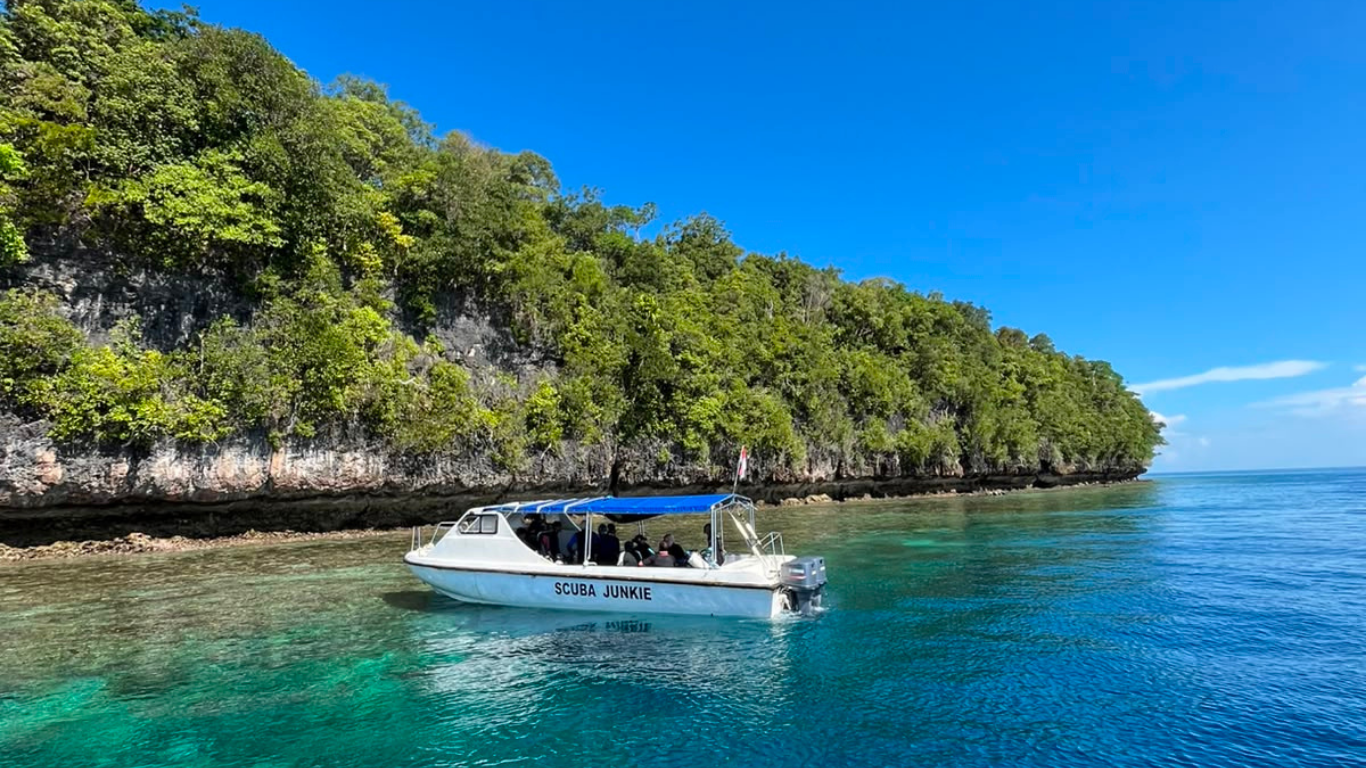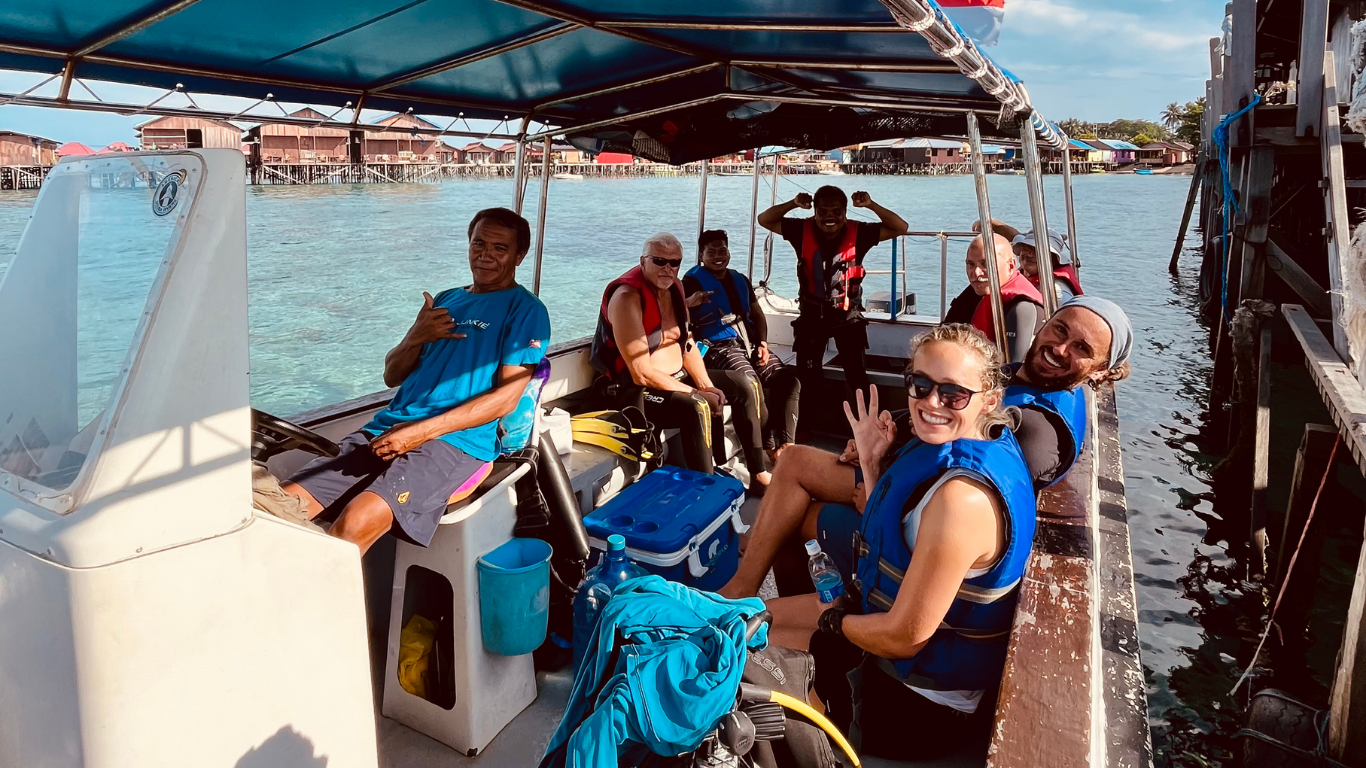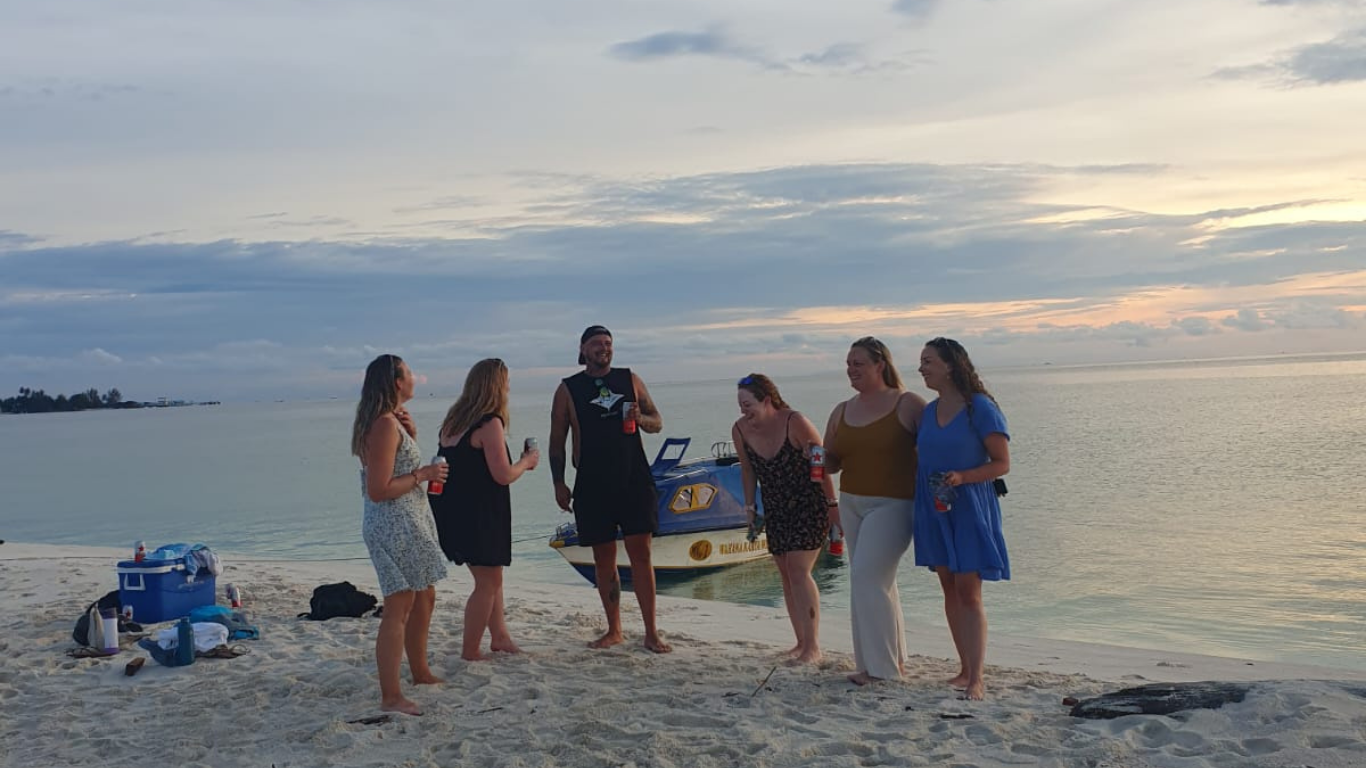
We provide daily dive trips and dive courses around the Sangalaki Marine Park.
Looking for tips and tricks about diving, marine life or what to do in Borneo? Follow us on our blog for weekly updates from the team!






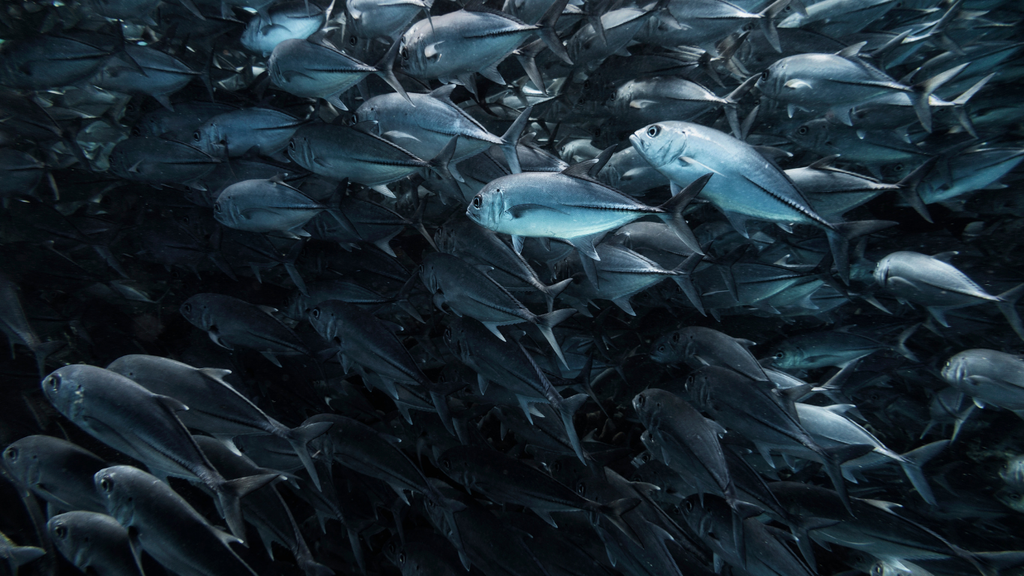
Fish behaviour can change before a diver has even noticed that the water is moving.
A school that appeared scattered begins to face one direction. Small reef fish rise higher above the coral. Barracuda tighten their formation. Other fish disappear behind a ridge, choosing a quieter pocket of water while the exposed side of the reef becomes busier.
To us, current can feel like a condition we need to manage during a dive. For marine life, moving water is part of the environment they read constantly. It can carry food, change the effort required to hold position and influence where an animal chooses to feed, rest or wait.
Once divers begin noticing these responses, a reef stops looking like a collection of animals and starts feeling like a living system.
Current is not simply water pushing in one direction. Its speed and direction can change with tides, weather, depth and the shape of the reef. A wall, channel, ridge or coral head can redirect the flow, creating fast-moving areas beside sheltered pockets.
Fish behavior respond to that changing environment. Their position may reveal where food is arriving, where swimming requires less energy or where the reef offers protection. Two parts of the same dive site can therefore look completely different at the same moment.
This does not mean that current controls every movement a fish makes. Light, temperature, predators, reproduction, habitat and the presence of other animals also influence behaviour. Current is one part of a much larger conversation.
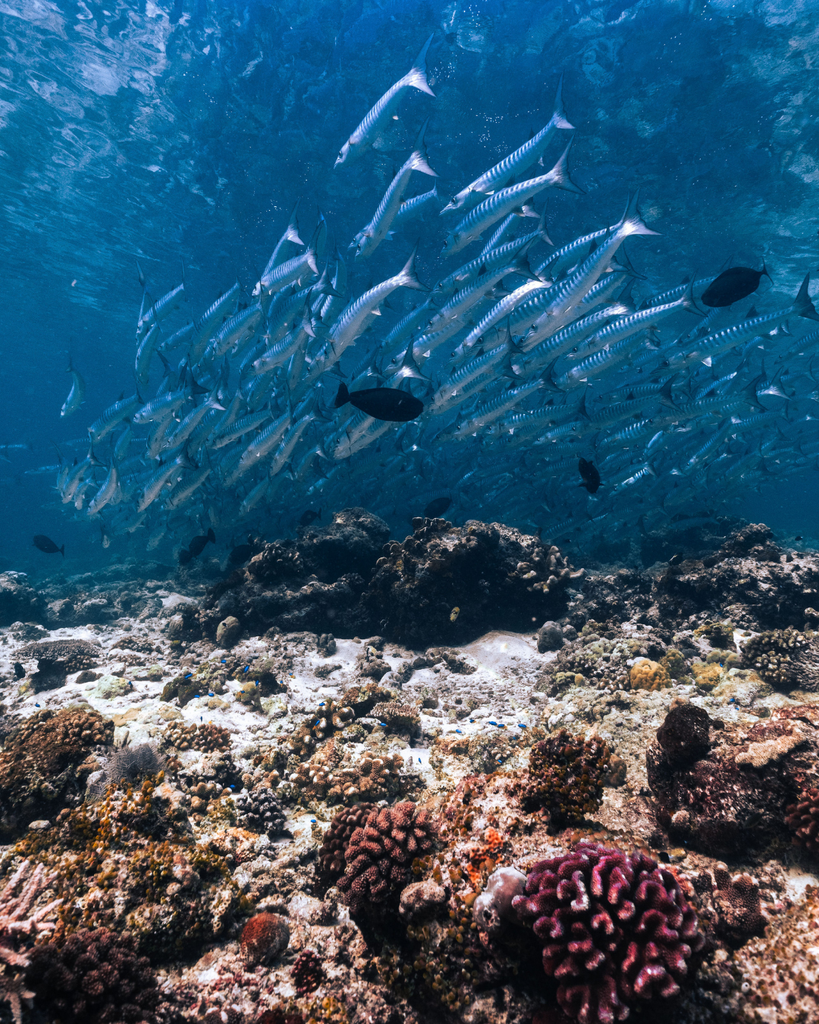
One of the easiest patterns for divers to notice is a group of fish facing the same direction. They are often facing into the flow.
For species that feed on drifting plankton, this position allows food to arrive from in front of them. Instead of chasing every small item through open water, the fish can hold near a productive part of the reef and intercept what the current delivers.
Facing the flow can also help a fish maintain a stable position and respond to changes in the water. The exact reason depends on the species, the location and what the fish is doing. A neat line of fish does not always mean feeding, but it is a useful clue.
Look closely at smaller reef fish above a coral head. They may rise into the moving water to feed, then retreat towards the reef when conditions change or a possible threat approaches.
Current transports tiny organisms and suspended material across the reef. This creates feeding opportunities for planktivorous fish, corals and other animals that depend on food moving through the water column.
Research on reef planktivores shows that feeding behaviour is influenced by both prey density and flow. Faster water does not always mean a fish can capture more food. At some point, holding position and turning towards individual prey can become more difficult. Different species solve this problem in different ways.
Garden eels offer a wonderfully visible example. In gentler flow they may extend farther from their burrows. As current increases, they can shorten and curve their bodies to reduce drag while continuing to feed on drifting zooplankton.
On a reef, the richest feeding position is therefore not necessarily the place with the fastest water. It may be an edge where food passes within reach, a point where flow is redirected or a sheltered spot beside a more energetic area.
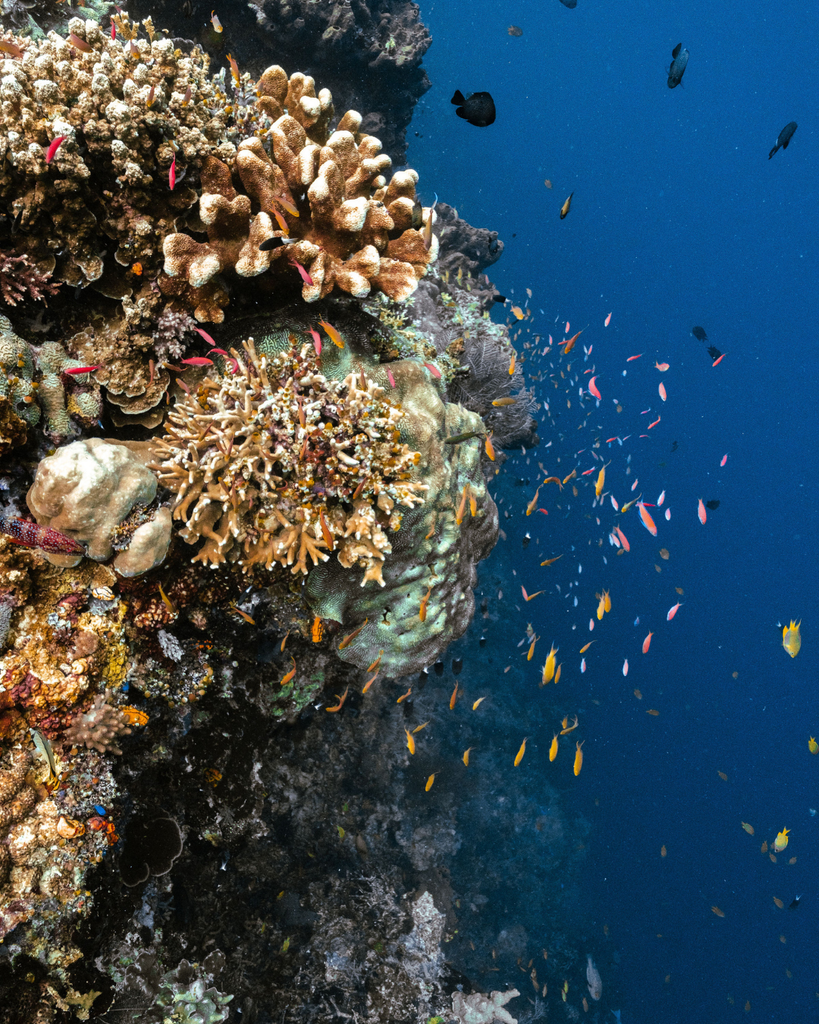
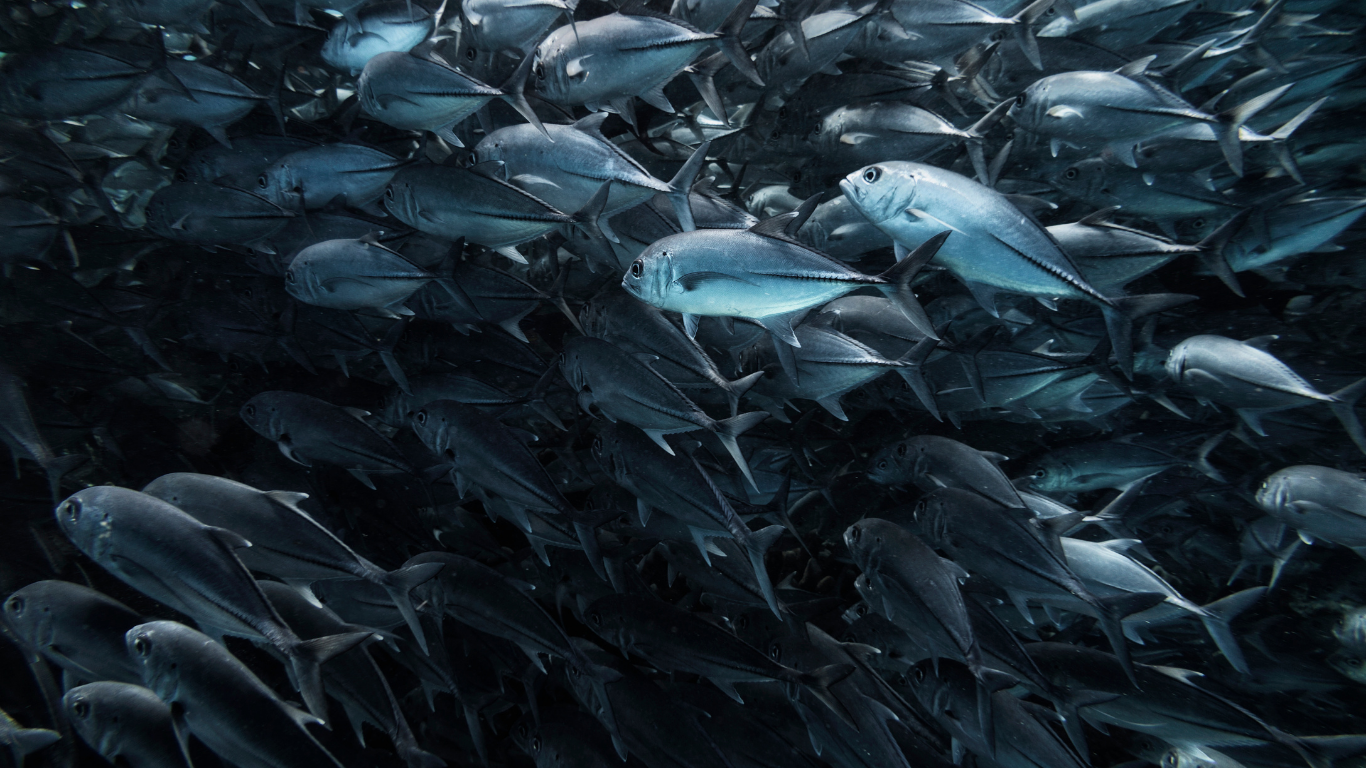
A school of jackfish or barracuda can look like a single enormous animal. Hundreds of individuals turn, compress and expand with astonishing coordination.
Schooling has several possible benefits. It can make it harder for a predator to isolate one individual, help fish respond rapidly to threats and allow information to travel through the group. Research also suggests that fish can sometimes gain hydrodynamic benefits by adjusting their movements in relation to nearby fish.
That does not mean every formation is a deliberate energy-saving pattern. Fish within a school are constantly responding to neighbours, food, threats and the surrounding water. The impressive shape we see may be the result of many small decisions happening almost simultaneously.
Current adds another influence. A school may align into the flow, become more compact or shift to a different part of the reef. When the water changes, the architecture of the school can change with it.
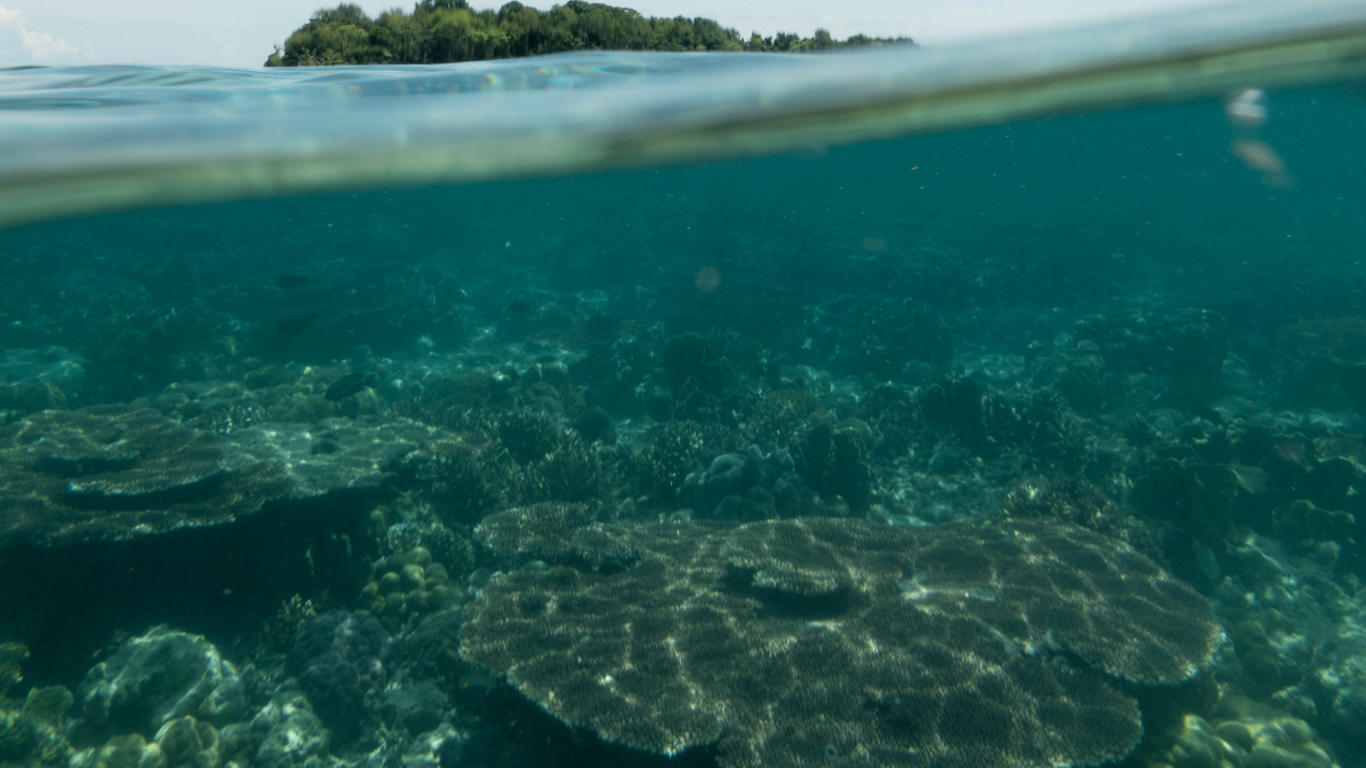
Coral reefs interrupt moving water. As current passes around a ridge, through a channel or over a coral head, it creates areas with different flow conditions.
Some fish move towards the exposed side where more food may be arriving. Others use the protected side of a structure to rest or reduce the effort needed to hold position. Divers do something similar when a guide leads a group behind a coral formation to pause in calmer water.
These quieter areas are sometimes called eddies or current shadows, although the flow around a real reef is complex and constantly changing. For a diver, the practical lesson is simple: water movement is rarely identical across an entire site.
Watching where fish gather can provide useful information, but it should never replace following the guide or checking the conditions directly.
Where prey gathers, predators may follow.
Jacks, barracuda and reef sharks do not appear simply because there is current, and no encounter can be guaranteed. However, moving water can help create productive areas where smaller fish feed or concentrate. Predators may patrol those edges, use the shape of the reef or position themselves near potential feeding opportunities.
This is one reason an active part of a reef can feel layered. Small fish face into the flow above the coral, a dense school forms farther into the blue and larger animals move around the outside. Every level is responding to both the water and the animals around it.
For divers, the most interesting action is not always directly in front of the reef. It is worth looking towards the edge of the school and occasionally into open water.
Divers sometimes return to a familiar site and wonder where all the fish have gone. On another day, the same reef seems almost overloaded with life.
The animals may still be nearby, but their position and behaviour can change with the flow. A school may move to another side of the reef. Planktivores may remain closer to shelter. Predators may patrol a different edge. During a change of tide, the whole scene can reorganise.
This is particularly noticeable around an archipelago shaped by channels, islands and tides. In the Derawan Archipelago, local knowledge helps guides understand how different sites tend to respond to changing water movement. Conditions are assessed on the day because an underwater landscape is never truly static.
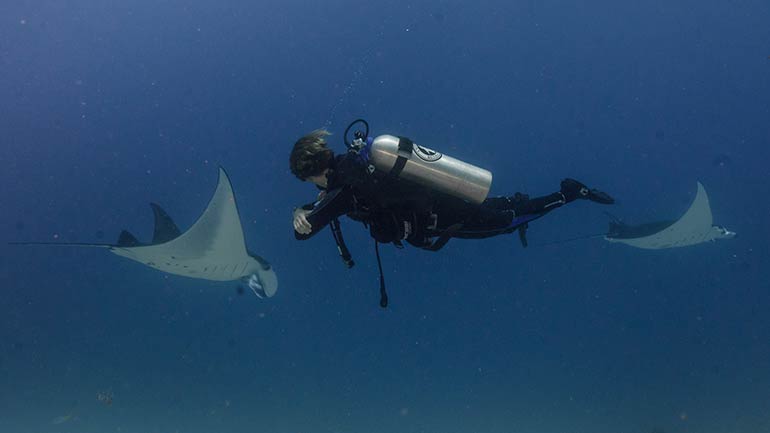
You do not need to identify every species to become a better observer of fish behavior.
Begin by looking at direction. Are most fish facing the same way? Notice position. Are small fish high above the reef or staying close to shelter? Look at the shape of a school. Is it loose, tightly packed, turning or holding steadily in one area?
Then watch for changes. A sudden compression may signal that the school is responding to a possible threat. Fish retreating towards coral may indicate a change in water movement or the approach of a larger animal. A group rising into the current may be feeding.
These observations are clues, not absolute rules. The pleasure comes from slowing down, forming a question and continuing to watch.
A wildlife checklist tells us which animals were present. Behaviour tells us what was happening.
The barracuda were not only there. They formed a wall, then turned into a spiral. The batfish were not simply swimming past. They were holding together in the flow. The small reef fish were not background colour. They were feeding in moving water and retreating to shelter in perfect coordination.
Learning to notice these moments can transform even a familiar species into the highlight of a dive.
Many fish face into the flow to hold position or intercept food carried by the water. The reason varies between species and situations, so direction should be treated as a clue rather than a universal rule.
No. Current can increase feeding opportunities, but very fast water may make feeding or holding position difficult for some species. Fish may also move to a different part of the reef.
A school may respond to current, nearby predators, food or the movement of neighbouring fish. Small individual reactions can spread quickly through the group.
Fish alignment can offer a clue, especially when many are facing the same direction. Divers should still rely on direct observation, their guide and appropriate dive procedures.
No. Habitat, food, temperature, tides, reproduction, cleaning activity and predator-prey relationships can all influence where animals gather.
Current is invisible until it moves something. A diver may notice it through bubbles, a waving sea fan or the effort needed to swim. Fish reveal it through behaviour.
Watch which direction they face, where they choose to wait and how a school changes shape. The longer you observe, the more the reef begins to explain what the water is doing.
That is when a dive becomes more than a list of sightings. It becomes a story unfolding in real time.